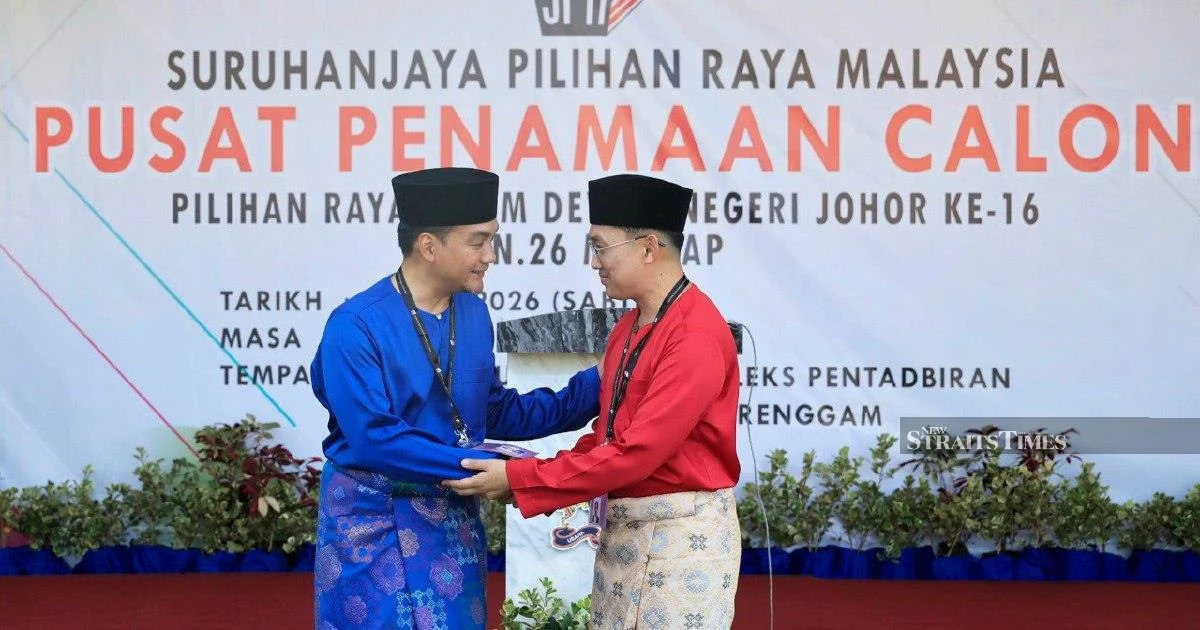
Datuk Onn Hafiz Ghazi, who continues in his role as caretaker Menteri Besar of Johor, has struck a notably circumspect tone regarding his re-election prospects, suggesting that the outcome of the July 11 ballot remains far from predetermined. Speaking at Simpang Renggam, the senior politician refused to express confidence about retaining his seat, instead emphasizing the unpredictable nature of electoral contests and urging vigilance among supporters who might otherwise grow complacent heading into the campaign period.
The Machap constituency represents a critical battleground in what promises to be a closely contested state election. Rather than adopt the triumphalist messaging sometimes favoured by sitting officials, Onn Hafiz's measured approach signals recognition that voter sentiment remains fluid and that opposition challengers pose genuine threats. His reluctance to take the race for granted reflects broader political realities in Johor, where demographic shifts, economic pressures, and shifting allegiances have complicated traditional power calculations. The caution evident in his remarks suggests internal polling or ground intelligence indicating tighter competition than surface-level assessments might suggest.
Johor's electoral landscape has undergone significant transformation in recent years, with no single political force maintaining unchallenged dominance. The state has witnessed shifts in voter preferences, particularly among younger demographics and in urban centres, where dissatisfaction with governance and economic management has eroded traditional support bases. For an incumbent seeking extension of his mandate, acknowledging competitive pressures represents both political prudence and realistic appraisal of contemporary voting patterns. Onn Hafiz's framing positions his campaign as one requiring mobilization and engagement rather than coasting on incumbency advantage.
The Machap seat itself carries symbolic weight within Johor politics, as it represents one of the state's traditionally significant constituencies. The demographic composition of the constituency—encompassing both rural and semi-urban areas—creates a diverse electorate with varying priorities and concerns. Rural voters often prioritize agricultural support, infrastructure development, and rural amenities, while semi-urban residents focus on economic opportunities, housing affordability, and service delivery. Successfully navigating these diverse interests demands sustained engagement and credible delivery of promises, precisely the kind of demanding work implied by Onn Hafiz's cautionary statements.
Opposition parties have recognized the fluidity in the Johor political landscape and are mounting coordinated challenges across multiple constituencies. The competitive environment has intensified with various coalitions attempting to project viability as alternative governments. In this context, the Machap contest becomes emblematic of broader state-level contests, with implications extending beyond the immediate constituency to influence overall state-level seat distributions. A loss in Machap would carry outsized symbolic significance for Onn Hafiz and his coalition partners, while a comfortable victory would provide momentum for campaigns elsewhere.
The caretaker period preceding elections typically involves heightened political activity, with candidates and parties mobilizing grassroots networks and contesting for media attention. For Onn Hafiz, this interim phase requires careful balance between performing governmental duties and actively campaigning. His public acknowledgment of uncertainty serves multiple functions: it energizes his supporters by suggesting the outcome demands their sustained effort, it manages expectations to prevent post-election recriminations, and it positions him as a candid, straightforward politician in contrast to opponents who might project unwarranted confidence.
Economic conditions in Johor form a crucial backdrop to electoral calculations. The state economy has faced headwinds from regional and global uncertainties, affecting employment prospects and household incomes. Voters increasingly base electoral choices on perceived competence in managing economic challenges and delivering tangible improvements in living standards. Politicians who acknowledge these difficulties while articulating coherent solutions tend to fare better than those who dismiss concerns or project unwarranted optimism. Onn Hafiz's realistic posturing aligns with this voter preference for authenticity and substantive engagement with genuine challenges.
The July 11 election date itself carries significance, as it follows a prolonged period of political instability and coalition adjustments at both state and federal levels. Johor voters have experienced multiple transitions in recent years, generating both fatigue with political uncertainty and heightened scrutiny of political performers. In such circumstances, voters often reward steady, competent administration and punish perceived incompetence or self-serving behaviour. Onn Hafiz's emphasis on acknowledging competitive pressures rather than claiming assured victory implicitly appeals to voter preferences for modest, performance-focused leadership.
Regional observers note that Johor elections carry broader implications for peninsular Malaysian politics, given the state's size, economic importance, and demographic diversity. Outcomes in Johor influence calculations at the federal level and shape perceptions regarding the viability of various political combinations. For this reason, major political formations have invested significant resources in Johor campaigning, intensifying competitive pressures and making incumbent victories less automatic than in previous electoral cycles. Onn Hafiz's guarded assessment reflects understanding of these heightened stakes and the genuine competitive environment his campaign confronts.
Governance performance in the months preceding elections often influences voter decisions, particularly regarding service delivery, infrastructure development, and responsive administration. The caretaker Menteri Besar's ability to continue effective governance while managing election-related demands will influence how voters assess his suitability for continued leadership. By emphasizing that outcomes remain unpredictable and that sustained effort is required, Onn Hafiz implicitly commits to maintaining performance standards rather than assuming victory permits complacency. This positioning potentially resonates with voters prioritizing consistent administrative quality over political rhetoric.

