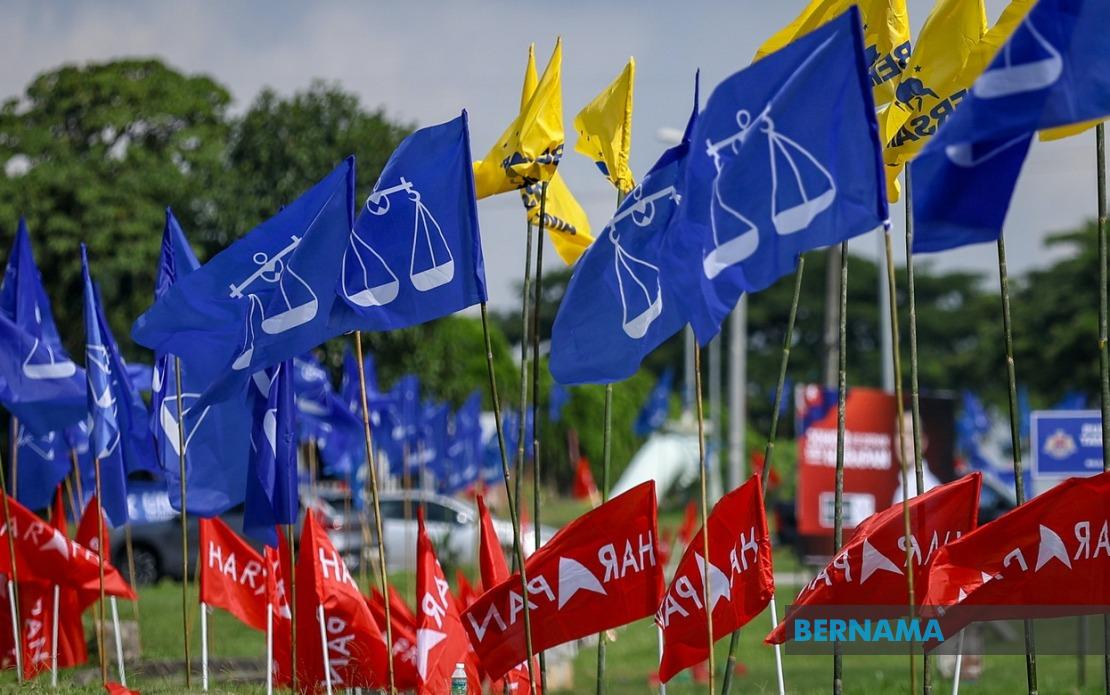
The Johor State Election Dialogue will move forward as planned on Tuesday, July 7, despite Menteri Besar Datuk Onn Hafiz Ghazi being unavailable to participate. The event, a joint production by RTM, Astro AWANI and Sinar Harian, represents a significant platform for political discourse ahead of the state's electoral contests. An aide to the Menteri Besar confirmed the absence, stating simply that Onn Hafiz was not included in the programme schedule, citing unspecified other commitments that take precedence over the dialogue engagement.
Hosted at the RTM Auditorium within the Johor Broadcasting Department, the discussion is scheduled to commence at 8 pm and will draw an estimated 200 participants spanning various government departments, public agencies, and representatives from MADANI Communities across the state. The substantial attendance reflects the broadcasters' intention to create a genuinely representative forum that captures perspectives from the broader administrative and community sectors in Johor, rather than restricting the event to political elites alone.
Communications Minister Datuk Fahmi Fadzil has confirmed his attendance, bringing the federal perspective to state-level concerns. The Pakatan Harapan candidate contesting the Puteri Wangsa state seat, Dr Maszlee Malik, is also expected to participate actively in the proceedings. These confirmations suggest that the dialogue will feature substantive political representation despite the notable gap created by the Menteri Besar's non-participation.
The one-hour format has been specifically designed to provide participants with an equitable opportunity to articulate their respective visions, policy positions, development priorities, and proposed solutions addressing matters that resonate with Johor's electorate. The structured approach aims to move beyond surface-level political theatre by allowing candidates and officials to engage substantively with the concerns affecting ordinary residents. This balanced framework reflects the broadcasters' commitment to journalistic principles of fair coverage during an election period.
The Johor state election represents a significant political moment for Malaysia's southern region, with the 16th iteration of these polls seeing 172 candidates competing across 56 electoral seats. The competitive landscape suggests considerable stakes in several constituencies, where both incumbent and opposition forces are mobilising support. The scale of candidacy indicates that multiple parties and independent contenders view this election as winnable territory, reflecting broader shifts in Malaysian electoral dynamics.
Voting is scheduled for July 11, with the electorate able to cast ballots on July 7 through the early voting mechanism. This compressed timeline means that dialogue and campaigning efforts must occur with considerable intensity before the polls open. The relatively brief window between campaign events and actual voting underscores the importance of forums like this dialogue in allowing voters to assess candidates' positions on key issues.
The Menteri Besar's absence from this particular platform raises questions about resource allocation within the Johor state government. Whether the competing commitments reflect genuine administrative necessity or represent a strategic political choice remains unclear from available statements. The decision to skip a broadcast dialogue with substantial viewership potential is noteworthy, particularly during an election cycle when media visibility typically becomes a priority for incumbents seeking to retain office.
From a Southeast Asian perspective, Malaysia's state elections continue to demonstrate the region's commitment to regular electoral renewal and competitive political processes. Johor, as one of the nation's largest and most economically significant states, commands particular attention from those monitoring Malaysian political trajectories. The participation of federal-level officials like the Communications Minister reflects how state elections intersect with national political structures and coalitions.
The broadcasters' decision to proceed with the dialogue despite the Menteri Besar's absence demonstrates institutional resilience and commitment to serving the public interest in election coverage. Rather than postponing or cancelling, they have maintained the event's integrity, allowing voters and participants to benefit from the forum's existence. This approach protects the democratic function of such dialogues, ensuring that electoral discourse continues regardless of any single participant's availability.
The framework of hosting such state-level election discussions through national broadcasters reflects Malaysia's media infrastructure and democratic practices. The involvement of RTM, a state broadcaster, alongside commercial outlets like Astro AWANI, signals a coordinated approach to ensuring comprehensive electoral coverage. For Malaysian readers and regional observers, these mechanisms represent institutional mechanisms through which electoral competition operates within the nation's established governance structures.
As Johor voters prepare to cast ballots within days, such forums serve as critical touchpoints for assessing candidate platforms and understanding how different political actors intend to address state-specific challenges. The dialogue format, by emphasizing discussion rather than confrontational debate, aims to elevate the quality of public discourse around substantive policy matters rather than personalised political attacks. This orientation toward substantive governance discussions reflects broader aspirations within Malaysian media institutions to enhance the quality of electoral engagement.

