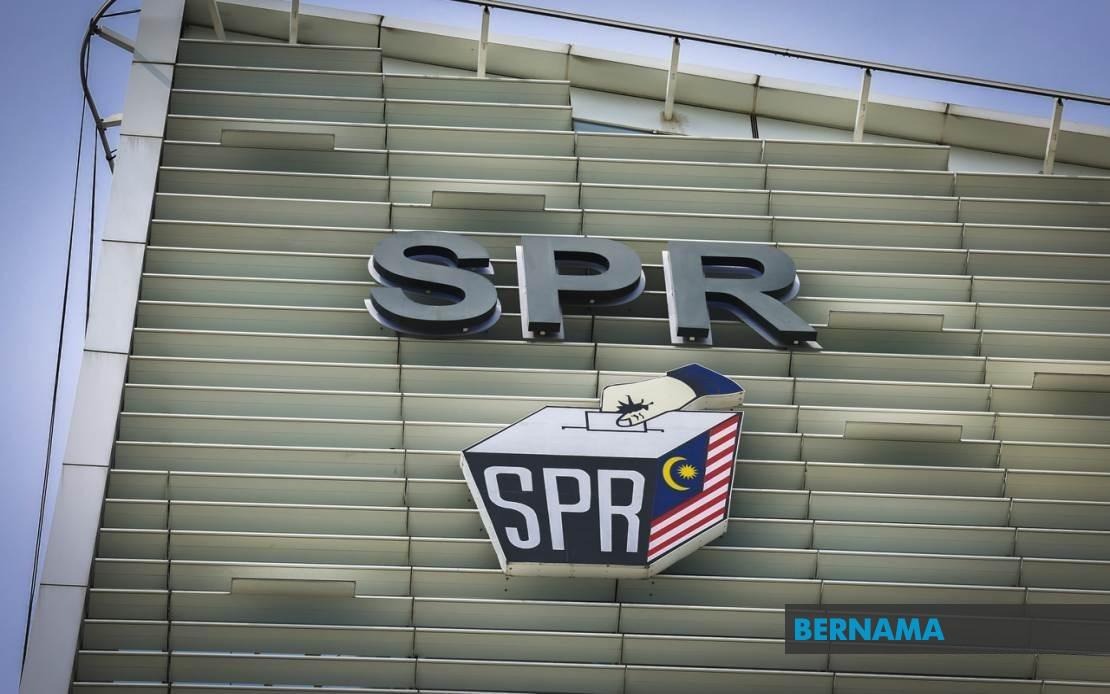
Enforcement authorities in Malaysia are keeping a watchful eye on campaign activities during the 16th Johor State Election, with the Election Commission recording 305 separate reports and complaints related to various breaches of campaign regulations through July 2. The volume of violations underscores both the challenges of monitoring election conduct across a populous state and the commission's determination to maintain electoral standards during this significant political contest.
The nature of the violations paints a picture of the most common infringements. Nearly half the reported cases—140 instances—involved campaign materials that had been positioned in areas restricted by local authorities, suggesting candidates and their campaign teams sometimes struggle to navigate the complex patchwork of municipal regulations. A further 90 complaints documented instances where campaign posters and signs obstructed motorists' views or created traffic hazards, indicating that physical placement of promotional materials remains a persistent source of electoral friction. These two categories alone account for the majority of recorded violations, highlighting specific areas where ground-level campaign operations frequently collide with regulatory frameworks.
Other categories of misconduct, though numerically smaller, remain significant enforcement priorities. Twenty-seven cases documented the placement of campaign materials within the restricted 50-metre perimeter around polling centres, a boundary designed to preserve the sanctity and neutrality of voting locations. An additional 48 cases fell into miscellaneous categories, covering the spectrum of other potential electoral breaches that emerge during active campaigns. This diversified complaint profile indicates that election monitoring authorities must maintain vigilance across multiple dimensions of campaign behaviour, not merely policing the most obvious or high-profile violations.
To manage this enforcement burden, the Election Commission has deployed 56 dedicated Election Campaign Enforcement Teams across Johor, each authorized to investigate and take action on violations of the Election Offences Act 1954. These teams represent a significant institutional commitment to ensuring that the campaign period—running from the nomination day on June 27 through July 10—remains orderly and respects established electoral boundaries. The commission's statement emphasizes that all reported complaints have received appropriate follow-up action, suggesting a systematic approach to managing violations rather than selective enforcement.
The scale of the enforcement apparatus reflects the stakes involved in the Johor contest. With 172 candidates vying for 56 state assembly seats, this election represents a substantial democratic exercise affecting one of Malaysia's largest states by population. The breadth of the candidate field and the intensity of competition naturally create more opportunity for campaign irregularities, making robust enforcement mechanisms essential for maintaining public confidence in the electoral process. The Election Commission's coordination with multiple agencies—including the Royal Malaysia Police, the Malaysian Anti-Corruption Commission, and the Malaysian Communications and Multimedia Commission—demonstrates recognition that electoral integrity requires multi-agency collaboration.
Beyond physical campaign materials, the involvement of the Malaysian Communications and Multimedia Commission signals concern about digital and broadcast dimensions of the campaign. In an era where political messaging increasingly flows through online channels, social media platforms, and electronic communications, authorities must police not only traditional posters and banners but also the evolving landscape of digital campaigning. This multi-platform enforcement approach reflects the modern realities of Malaysian electoral politics.
The Election Commission's public messaging emphasizes compliance and cooperation with all candidates and political parties. By reiterating commitments to conducting an efficient, fair, transparent, and credible election—and by explicitly urging contestants to respect laws, regulations, codes of ethics, and official directives—the commission frames electoral integrity as a shared responsibility. This rhetorical stance aims to encourage voluntary compliance alongside formal enforcement mechanisms, recognizing that sustainable electoral conduct depends partly on political actors' willingness to self-regulate.
For Malaysian observers and regional analysts, the volume of campaign violations recorded in Johor carries implications for electoral management more broadly. While 305 violations across a state of Johor's size may represent either normal levels of breach or concerning levels depending on historical comparison, the transparency with which the Election Commission reports these figures demonstrates institutional openness. This disclosure practice contrasts with opacity in some electoral systems and contributes to public understanding of how elections actually function on the ground, beyond sanitized official narratives.
The campaign period concludes at 11:59 pm on July 10, with polling scheduled for July 11 and early voting on July 7. This compressed timeline means that enforcement activities must proceed at an accelerated pace during the final week of campaigning. The coordination between multiple agencies and the deployment of dedicated enforcement teams suggest that Malaysian authorities are treating campaign regulation seriously, viewing electoral violations not as minor administrative infractions but as matters worthy of systematic investigation and action. As the Johor election moves toward its conclusion, continued enforcement vigilance will test whether the 56 enforcement teams can effectively manage remaining violations while maintaining the efficiency and credibility that the Election Commission has pledged to uphold throughout this consequential state election.

