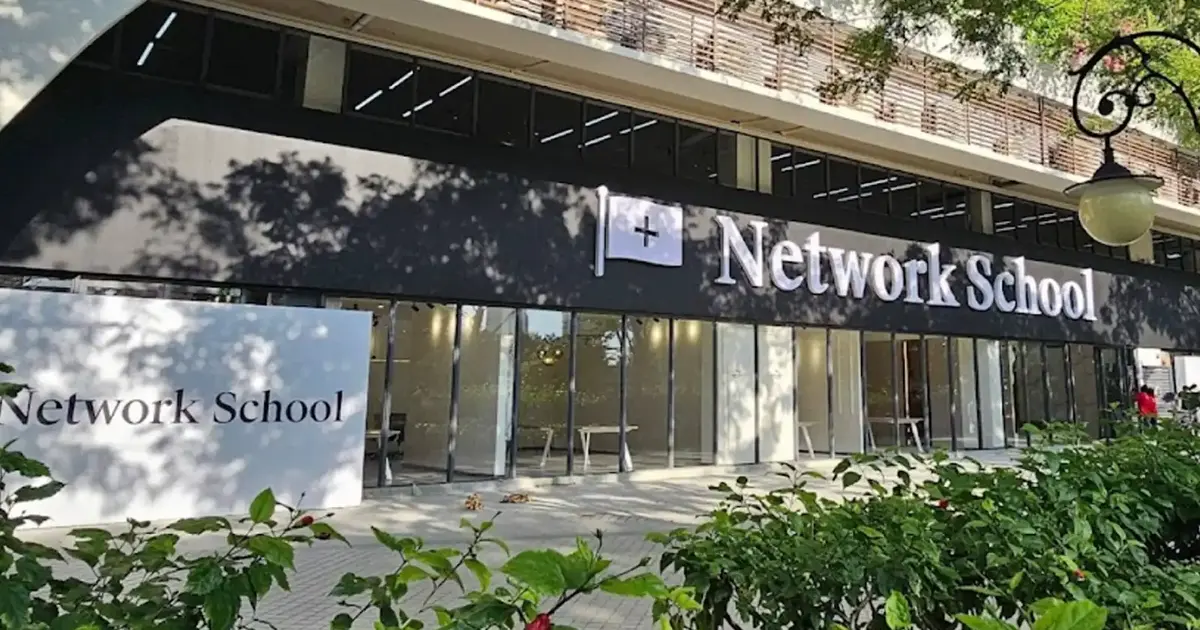
Johor's Menteri Besar Onn Hafiz Ghazi has called for federal authorities to launch a comprehensive investigation into allegations that Israeli nationals infiltrated the Network School programme by using passports from third countries, raising concerns about security vetting procedures and programme oversight within the state education system.
The decision to seek intervention from federal agencies marks an escalation of scrutiny surrounding the Network School initiative, which has become a focal point for questions about how international participants are vetted and monitored. The alleged use of alternative documentation to circumvent standard identification protocols represents a significant procedural breach that could undermine the credibility of educational exchanges and international collaboration frameworks across Malaysia.
The Menteri Besar's call reflects growing unease among state-level policymakers about the transparency and governance mechanisms governing educational programmes that involve foreign nationals. By escalating the matter to federal authorities, Onn Hafiz Ghazi has effectively signalled that the scope and nature of the allegations exceed the state government's investigative capacity and require intervention from law enforcement and intelligence agencies with broader jurisdiction and resources.
Network School, which operates as a flagship initiative promoting collaborative learning and international engagement, now faces reputational damage as questions mount about the thoroughness of background checks and identification verification processes. The programme's administrators have faced heightened pressure to demonstrate that adequate safeguards exist to prevent unauthorized access or the entry of individuals misrepresenting their national origins.
The use of second-country passports—a practice where individuals travel under documentation from nations other than their citizenship—represents a sophisticated circumvention of standard security protocols. This method would theoretically allow individuals to participate in government-sponsored educational initiatives while obscuring their true nationality, a scenario with implications extending far beyond a single school programme to broader questions about national security protocols in educational settings.
For Malaysia's international standing and educational sector, such allegations carry particular weight given the country's commitment to fostering regional cooperation and hosting international students. Any perception that security vetting procedures are inadequate could prompt international partners to reassess their participation in Malaysian educational programmes and might necessitate more stringent protocols that could ultimately restrict beneficial cross-border educational exchange.
The involvement of Israeli nationals, whether confirmed or alleged, carries heightened political sensitivity in Malaysia given the country's long-standing position on Palestinian rights and its historical diplomatic stance toward Israel. This dimension adds a layer of complexity to what might otherwise be treated as a routine security audit, as it intersects with broader foreign policy considerations and domestic political calculations.
Onn Hafiz Ghazi's public request for investigation suggests that state officials were unaware of the alleged breaches or were unable to independently verify and address the claims. By appealing to federal authorities, the Menteri Besar has effectively transferred responsibility for managing the scandal, while simultaneously positioning Johor's leadership as responsive to security concerns and committed to protecting the integrity of state institutions.
The investigation, once initiated, will likely examine multiple layers of programme administration, including how applications are processed, what identity verification measures are implemented, which officials approve foreign participant entries, and what monitoring mechanisms exist during programme implementation. Such a comprehensive review could reveal systemic vulnerabilities affecting not only Network School but potentially other educational and cultural exchange initiatives throughout the country.
This incident underscores the balancing act that Malaysia must navigate in an increasingly globalized educational environment. Whereas the country actively promotes itself as a regional hub for higher learning and international collaboration, security considerations and geopolitical sensitivities require robust verification frameworks that do not compromise programme accessibility or international confidence.
Stakeholders in Malaysia's education sector will be closely watching how federal authorities respond to the Menteri Besar's request and what remedial measures are subsequently implemented. The outcome of this investigation could establish precedents for how similar allegations are handled across other government-sponsored educational programmes, potentially affecting policies governing international student recruitment and participation in exchange initiatives throughout Malaysia.

