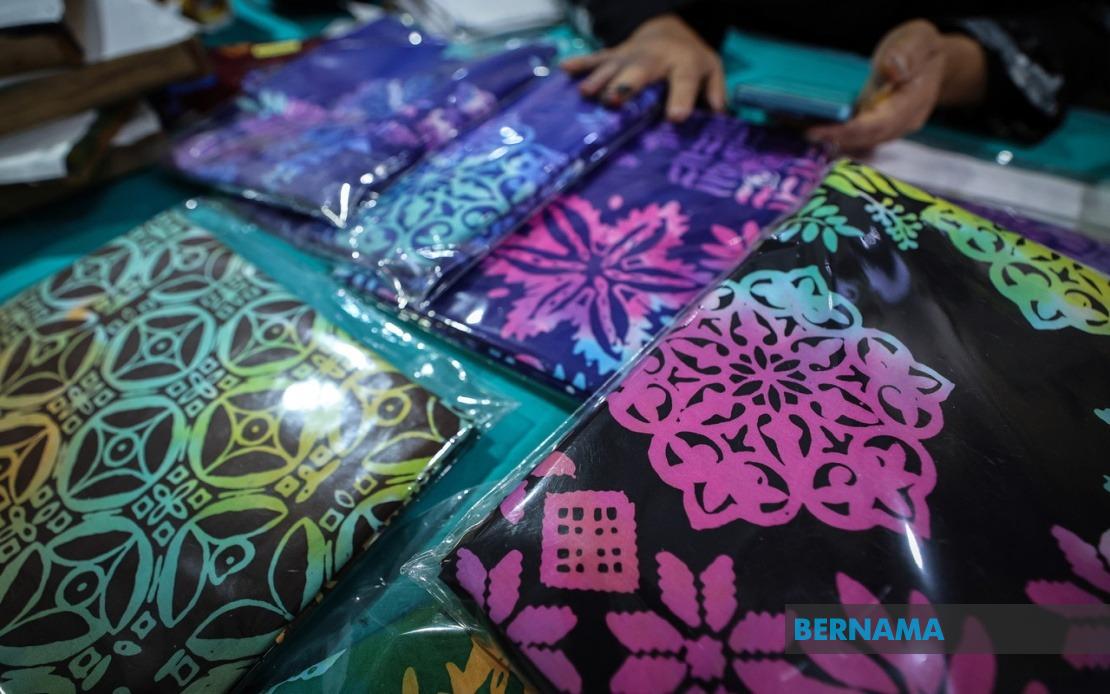
Batik production, long synonymous with Malaysia's East Coast states, is carving out a distinctive presence in Johor, where craftspeople are channelling the state's unique natural environment and historical legacy into textile designs that stand apart from conventional offerings. The emergence of Johor Batik represents a broadening of the nation's batik landscape, introducing regional aesthetics that reflect local geography, heritage, and community identity rather than replicating established patterns from neighbouring states.
The craft draws inspiration from elements deeply rooted in Johor's character. Motifs incorporating black pepper and gambir—commodities central to the state's agricultural history—sit alongside imagery derived from coastal ecosystems including mangrove forests and coral reef structures. Tiger-stripe patterns, tied to the state's wildlife and symbolism, further enrich the visual vocabulary. This approach transforms batik from a generic textile into a cultural document, with each design functioning as a narrative about the region's landscape and past.
Maimunah Yaacob, 58, has become instrumental in this development, dedicating three decades to establishing and nurturing Johor Batik as a coherent craft tradition. Her journey began in 1993 when she undertook foundational hand-wax training in Terengganu, followed by two years of intensive study at Jalan Conlay in Kuala Lumpur. Armed with limited capital—RM2,000 scraped together from household resources—she launched her enterprise from a kitchen, operating against prevailing market scepticism about batik's commercial viability and consumer appeal.
Maimunah's strategic vision centred on differentiation. Rather than competing directly with established batik producers by mimicking their aesthetic approaches, she deliberately pursued design concepts that diverged from market-saturated options. This positioning strategy proved foundational to her eventual success and has since become a template for how Johor Batik distinguishes itself within Malaysia's broader textile sector.
Geographic specificity underpins the Johor Batik philosophy. The districts of Muar and Pontian feature motifs celebrating the berembang tree and pineapple cultivation, grounding designs in local agricultural identity. Kota Tinggi and Sedili, positioned along the coast, incorporate maritime elements reflecting their economic and environmental characteristics. This district-specific approach creates a portfolio of designs that collectively map Johor's internal diversity, allowing consumers to select pieces that resonate with particular regional associations or personal connections to specific areas.
Operating from Ranorm Batik Creation in Kampung Singapura, Tanjung Sedili, Maimunah has remained steadfast in her commitment to traditional hand-drawn techniques using heated wax and canting tools, resisting pressure to adopt machine-printing methods that dominate contemporary textile manufacturing. This methodological fidelity carries both aesthetic and philosophical significance. Authentic hand-wax batik produces distinctive colour saturation that penetrates evenly across fabric surfaces, creating visual characteristics impossible to replicate through industrial printing processes. The tactile and visual authenticity thus becomes a quality marker distinguishing genuine batik from its mechanised counterparts.
Market reception has validated this craft-centric approach. Johor Batik has gained visibility through significant national platforms including the National Craft Day celebration held in Kuala Lumpur and the Johor Craft Festival, establishing credibility within Malaysia's official craft recognition infrastructure. International interest has also emerged, with Singaporean buyers representing an expanding customer base. The product range spans accessible price points—headscarves beginning at RM35—to premium offerings including silk attire sets commanding several hundred ringgit, demonstrating market stratification that accommodates varying consumer budgets and occasions.
Responding to demographic shifts, Maimunah has strategically expanded her design vocabulary to include contemporary and casual aesthetic categories targeting younger consumers. This evolution acknowledges that preserving a craft tradition requires generational relevance; designs rooted exclusively in heritage symbolism risk appearing dated or inaccessible to consumers born into contemporary visual cultures. The integration of modern sensibilities with traditional production techniques represents a pragmatic approach to ensuring batik remains commercially viable across age cohorts.
The broader sustainability challenge facing Johor Batik involves institutional support and knowledge transmission. Maimunah has articulated a critical need for expanded government-sponsored training programmes and formal educational initiatives dedicated to batik production. Without systematic channels for skill development, knowledge transfer occurs haphazardly through individual mentorship rather than structured curricula. This vulnerability threatens the craft's long-term viability, particularly as younger generations pursue alternative economic pathways offering greater stability and income predictability than artisanal textile production.
The Johor Batik phenomenon carries implications extending beyond individual commercial success. It demonstrates that regional craft traditions can develop distinctive identities by anchoring themselves in specific geographic and cultural contexts rather than pursuing generic national categories. For Southeast Asian visitors and diaspora communities, locally-rooted textiles offer authentic cultural artifacts more meaningful than mass-produced souvenirs, potentially strengthening cultural tourism and craft export sectors.
Establishing Johor Batik as a recognised craft category also creates framework within which other Malaysian states might develop state-specific textile identities, decentralising production away from traditional East Coast concentrations. This geographic diversification strengthens national craft infrastructure while providing rural and coastal communities with value-added production opportunities. The success of pioneers like Maimunah generates momentum encouraging younger entrepreneurs to perceive textile arts as economically viable career paths rather than demographic nostalgia.
Moving forward, the trajectory of Johor Batik depends partly on policy decisions regarding craft education funding, export promotion, and intellectual property protection for regional design innovations. International market access, facilitated through trade agreements and digital commerce platforms, could substantially amplify demand. However, maintaining production integrity—ensuring that mass-market demand does not precipitate quality compromises—remains critical to sustaining the craft's cultural authenticity and market differentiation.
The Johor Batik story ultimately reflects broader regional dynamics where local communities increasingly recognise cultural heritage as economic asset rather than antiquated burden. By transforming environmental features and historical narratives into contemporary textile design, artisans like Maimunah Yaacob demonstrate that tradition and innovation need not exist in opposition, creating commercial products that simultaneously preserve cultural knowledge and generate sustainable livelihoods.

