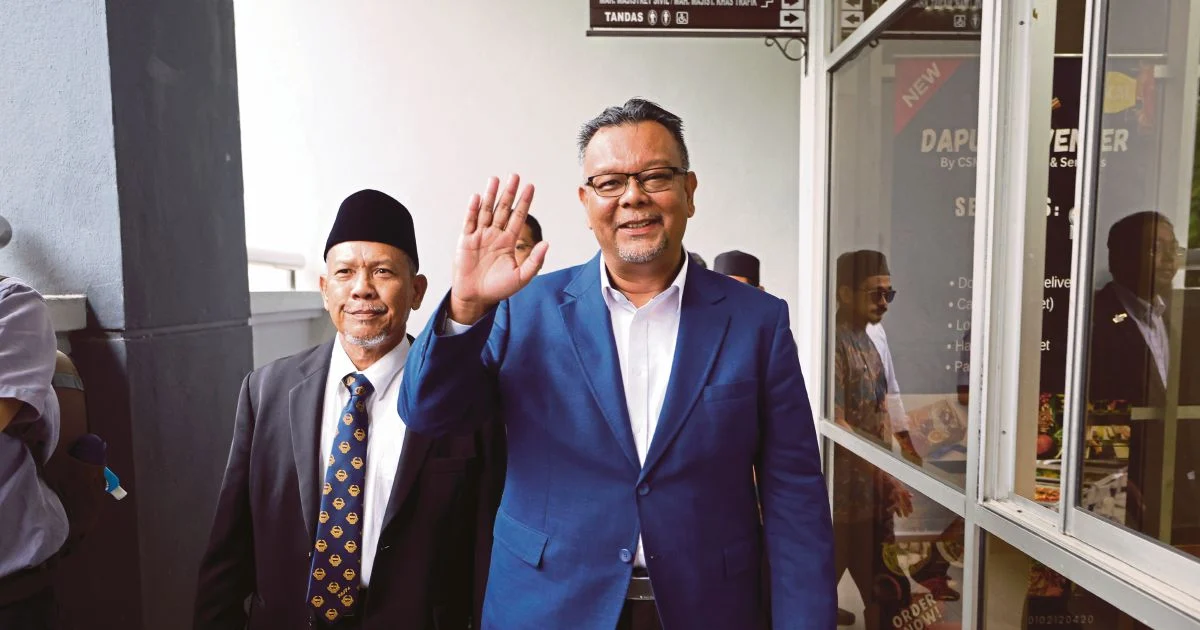
Dr Haim Hilman Abdullah, the assemblyman representing Jitra, entered a not guilty plea before the Seremban magistrate's court today, contesting accusations that he made statements capable of causing public alarm. The charge represents a significant moment in the political calendar, as it brings legal scrutiny upon an elected representative accused of potentially inflammatory speech that authorities believe could disturb public order or generate panic among citizens.
The specific nature of the statements underlying the charge remains central to the case, with prosecutors tasked with demonstrating that Dr Haim Hilman's utterances crossed the threshold from ordinary political commentary into territory designed to or likely to create widespread concern or disturbance. Such charges carry particular weight in Malaysian law, reflecting the authorities' mandate to protect public tranquillity while navigating the sometimes delicate terrain of political speech.
Magistrate's courts in Malaysia handle a broad spectrum of criminal charges, and the location of proceedings in Seremban indicates the matter fell under the jurisdiction of Negeri Sembilan's judicial system. The decision to pursue charges against an elected state assemblyman suggests a deliberate prosecutorial determination that the alleged statements warranted formal legal action, rather than being dismissed or managed through informal channels.
For constituents in Jitra, the legal proceedings introduce uncertainty regarding their representative's immediate availability and focus. State assembly members navigate multiple responsibilities simultaneously, including constituency work, legislative duties, and party obligations. The prospect of ongoing court appearances and legal defence can divert attention and resources from these duties, potentially affecting service delivery to the residents who elected Dr Haim Hilman to represent their interests.
The specificity of charges involving statements likely to cause public alarm reflects Malaysia's legal framework regarding speech and public order. The relevant statutes establish that the effect or likelihood of effect matters as much as intent, meaning prosecutors need not prove that Dr Haim Hilman deliberately set out to create alarm, only that his statements were reasonably calculated to produce such an outcome. This legal standard has proven contentious in free speech discussions, as critics argue it can chill legitimate political expression.
The not guilty plea indicates Dr Haim Hilman's legal representatives believe the prosecution cannot satisfactorily demonstrate the elements required for conviction, or that the statements in question, properly understood, fall short of the threshold set by law. Defence strategy in such cases often hinges on establishing that statements, while perhaps inflammatory or controversial, remain within bounds of permissible political discourse and do not reasonably constitute an attempt to create public alarm.
Within Malaysian politics, cases involving state assemblymen carry broader implications beyond the individual facing charges. They signal how enforcement of speech-related laws operates across different political contexts and whether such laws are applied consistently or selectively. Observers across the political spectrum typically scrutinise whether similar statements made by representatives of different parties receive equivalent treatment from authorities.
The timing and trajectory of such cases frequently attract media attention and public commentary, particularly when they involve elected officials. Political parties often rally behind members facing legal challenges they perceive as unjust, while critics argue that elected representatives must be held accountable to the same standards as ordinary citizens. This dynamic shapes public perception of both the justice system and the political environment more broadly.
Court proceedings in cases of this nature typically unfold over several sessions, with evidence presented, witnesses called, and legal arguments advanced by both prosecution and defence. The magistrate will ultimately determine whether the prosecution has proven its case beyond reasonable doubt. Should Dr Haim Hilman be convicted, sentencing options available to the court for causing public alarm typically include fines, imprisonment, or both, depending on statutory provisions and aggravating or mitigating factors.
For Malaysian readers and observers of state politics, cases like this underscore the intersection between political expression and legal constraints. The principles at stake extend beyond any individual case, touching upon broader questions about the balance between protecting public order and preserving space for vigorous political debate. The outcome of Dr Haim Hilman's trial will provide insight into how courts interpret and apply relevant statutes, potentially influencing how other political figures calibrate their public statements going forward.
The legal proceedings ahead will require careful examination of the evidence and testimony regarding what precisely was said and the reasonable implications of those statements for public alarm. Dr Haim Hilman's defence will likely emphasise the context and substance of his remarks, arguing they represent legitimate political communication rather than reckless incitement to panic. The court's assessment of these arguments will contribute to the broader jurisprudence surrounding speech-related charges in Malaysia.

