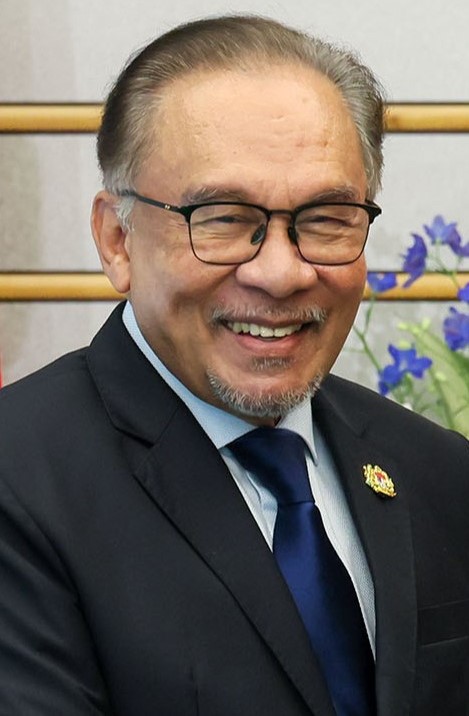
Jitra assemblyman Dr Haim Hilman Abdullah is set to make a court appearance before the Seremban magistrate, where he will face formal charges stemming from controversial assertions he previously articulated regarding admission pathways to institutions of higher learning. The hearing represents a significant development in what has become an increasingly scrutinised matter involving public pronouncements on education access and the boundaries of political discourse surrounding university entry mechanisms.
The charges centre on specific claims the assemblyman made regarding university admissions, though details surrounding the precise nature of his statements and the allegations underpinning the case remain subject to judicial examination. This situation underscores the intersection between political communication, factual accuracy, and legal accountability—a tension that has become increasingly visible across Malaysian politics as elected representatives face greater scrutiny over their public utterances on matters of public policy and institutional access.
For Malaysian observers, particularly those in Kedah where Jitra falls within the state's administrative structure, the case carries broader implications for how politicians navigate discussions surrounding education, a sector that touches millions of families annually. University admission represents one of the most emotionally charged policy areas in Malaysia, where perceived unfairness, quota systems, and accessibility spark passionate public debate. When political figures venture into this terrain with specific claims, they operate within a space where verification and accuracy assume heightened importance.
The timing of the court proceedings arrives amid ongoing conversations about the integrity of public statements from elected officials. Malaysia has witnessed repeated instances where politicians' claims about policy access, quotas, or administrative procedures have drawn legal challenges or fact-based rebuttals from relevant authorities. These cases collectively illustrate a pattern where the line between robust political advocacy and potentially misleading assertions has become a matter for judicial determination rather than remaining solely within the realm of political debate and counter-argument.
Dr Haim Hilman's appearance at Seremban magistrate's court will likely attract attention from education stakeholders, fellow assemblymen, and constituent groups in Jitra who may be directly affected by the issues under examination. The case also carries implications for how similar claims by other politicians regarding university admission might be evaluated, as judicial outcomes often establish precedent in how courts approach factual assertions made in political contexts.
The education access question that forms the backdrop to these charges reflects longstanding tensions within Malaysia's higher education ecosystem. With competition for places at public universities remaining intense, and various admission criteria remaining subjects of public discussion and occasional contestation, claims about how the system operates or who qualifies for entry deserve particular scrutiny. When such claims emanate from elected representatives wielding platform and influence, the stakes for accuracy arguably increase.
From a Southeast Asian perspective, Malaysia's situation is not isolated. Across the region, questions about the accountability of political figures for their public statements have intensified as democracies mature and as civil society organisations increasingly fact-check political discourse. The Seremban case contributes to this broader regional conversation about what standards apply to elected officials when they make claims about public institutions and policy access.
The charges also arrive at a moment when Malaysian education authorities themselves remain engaged in ongoing discussions about admission transparency, fairness frameworks, and public communication regarding university entry criteria. Any judicial findings or outcomes in this case could influence how these institutional conversations proceed and what standards universities themselves adopt for public communications about their selection processes.
Former court cases involving political figures' statements about education policy and access have demonstrated that Malaysian courts are willing to examine the factual foundations of such claims, suggesting that Dr Haim Hilman's hearing will proceed on substantive grounds rather than dismissing the matter as purely political speech beyond judicial reach. This approach reflects an understanding that public statements made by government officials carry different weight than those made by private citizens, given the authority and platform these positions confer.
The Jitra assemblyman's case also touches on questions about how rapidly politicians should fact-check their own assertions before publicising them, and what consequences should apply when claims prove inaccurate or misleading. In an environment where social media amplifies political statements instantly to large audiences, the gap between utterance and verification has narrowed, yet the challenge of ensuring accuracy has arguably intensified.
As the Seremban magistrate's court prepares to examine the allegations, the case represents more than an individual accountability matter. It reflects broader ongoing adjustments within Malaysian democracy regarding standards for political communication, institutional access claims, and the role courts play in arbitrating disputes between political assertions and factual reality. The proceedings will likely generate significant attention from education sectors, constituent groups, and political observers across the country.