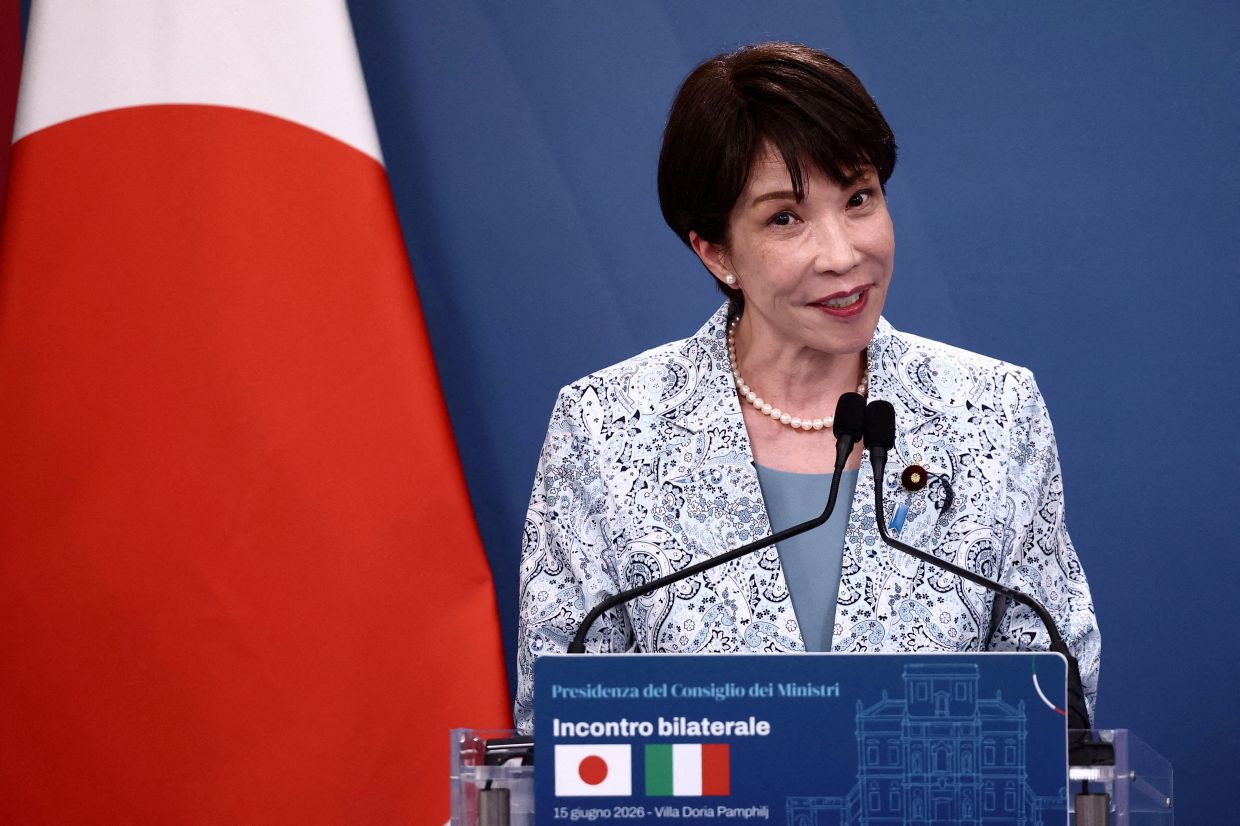
Japanese Prime Minister Sanae Takaichi's government has experienced a significant erosion of public support, with approval ratings dipping below the 50 per cent threshold for the first time since she assumed office in October. The latest Jiji Press poll released on Thursday (July 16) recorded backing for her conservative cabinet at 49 per cent, marking a notable decline from her stronger position earlier in the year and suggesting that the honeymoon period for Japan's first woman prime minister may be drawing to a close.
The demographic breakdown of the survey reveals a particularly troubling shift among older Japanese voters, traditionally a reliable constituency for conservative governments. Support among voters in their 60s collapsed dramatically, plummeting from 63.7 per cent last month to just 39.9 per cent—a drop of nearly 24 percentage points that represents one of the sharpest declines across any age group. This erosion of backing among senior citizens is especially significant given that older voters typically turn out at higher rates and have historically been the bedrock of support for Japan's ruling Liberal Democratic Party.
Among those who continue to express confidence in the Takaichi administration, perceptions of her personal qualities remain a key factor. Supporters point to her demonstrated leadership capabilities and perceived trustworthiness as reasons for maintaining their backing, attributes that have historically been associated with her tenure and public presentation. However, these positive assessments are increasingly being outweighed by concerns among the wider electorate. The primary grievances cited by those withdrawing support centre on a perception that her government cannot deliver meaningful results for ordinary citizens, alongside criticism of specific policy initiatives that have generated controversy.
Takaichi's political fortunes have undergone a dramatic reversal from just months earlier, when she secured a decisive victory in the lower house snap elections held in February. That triumph appeared to consolidate her political position and validate her claim to lead Japan forward, with her cabinet buoyed by particularly strong support among younger voters who found her diplomatic approach, personal relatability, and the broader symbolism of her leadership as a woman appealing. The electoral result seemed to position her government for a stable tenure with a clear mandate from the electorate.
However, several major developments since that electoral victory have significantly damaged public confidence and created new tensions both domestically and internationally. Most notably, Takaichi's controversial statement in November suggesting that Tokyo might be willing to intervene militarily in defence of self-ruled Taiwan triggered alarm bells in Beijing and complicated Japan's delicate diplomatic relationship with China, which regards Taiwan as an inalienable part of its territory. The remarks raised international tensions and appeared to signal a more assertive regional military posture that concerned both China and some observers within Japan itself.
Domestically, the government has also faced backlash over legislative ambitions that have sparked significant intellectual opposition. Earlier this month, a coalition of nearly 150 Japanese academics formally petitioned lawmakers to express their concerns over Takaichi's push for legislation that would criminalise the desecration of Japan's national flag. The academics' intervention signals unease among intellectual circles about the government's direction, particularly regarding what critics characterise as restrictions on freedom of expression and symbolic protest—sensitive issues in Japan given the country's postwar democratic values.
One significant advantage that has partially insulated the Takaichi government from even steeper declines is the moderating trajectory of inflation throughout recent months. Japan experienced sharp price increases that destabilised the previous two prime ministers and contributed significantly to their political downfalls, creating a succession of short-lived administrations. The slowdown in inflation rates has provided some economic relief to households and prevented the immediate household budget pressures that might otherwise have accelerated the decline in public support. This economic stabilisation has likely prevented the approval ratings from falling even more dramatically.
For Malaysia and Southeast Asia more broadly, the developments in Japan warrant close attention. Japan's geopolitical posture, particularly regarding Taiwan and its military posture in the region, has significant implications for regional stability and the balance of power in East Asia. A weakened domestic political position for Takaichi could influence her government's ability or willingness to maintain its current diplomatic and defence stances, or conversely, might prompt her to seek rallying-around-the-flag effects that could push her toward even more assertive positions.
The decline in Takaichi's approval ratings also underscores broader challenges facing Japan's political establishment as it navigates complex domestic and international pressures simultaneously. The loss of support among older voters is particularly noteworthy, as it suggests that even traditional conservative constituencies are becoming restless with the current direction of policy. Whether the government can stabilise public opinion or whether this represents the beginning of a steeper political decline remains to be seen, but the threshold-crossing below 50 per cent approval represents a meaningful milestone in her administration's fortunes.

