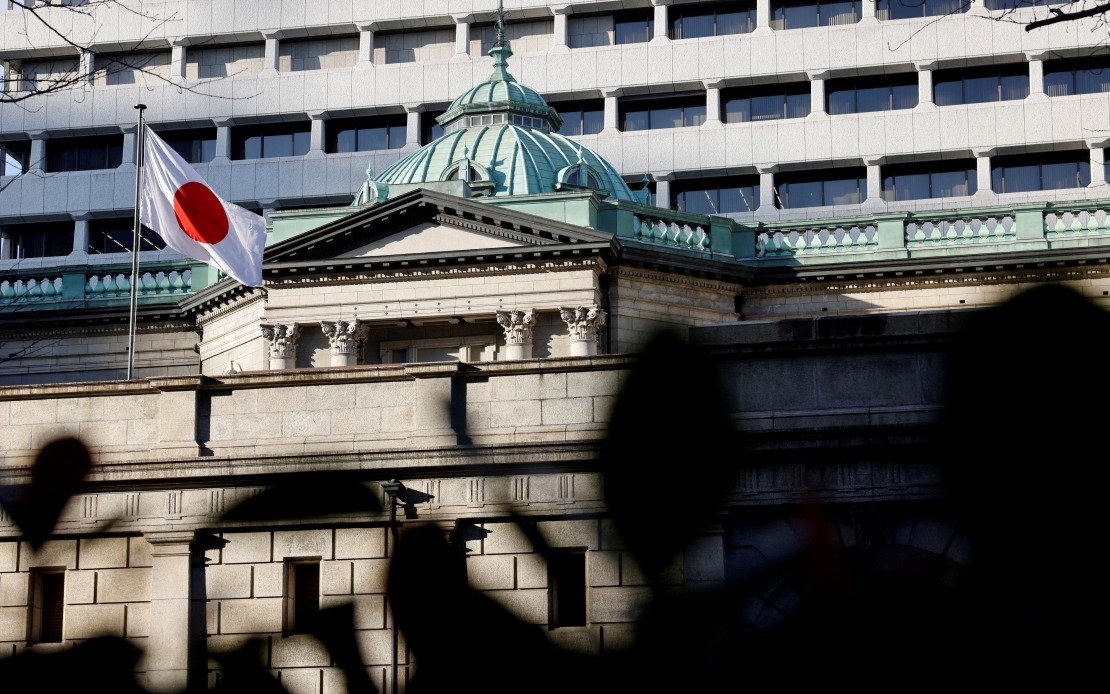
Japan's recent enactment of legislation prohibiting the desecration of its national flag has opened a contentious debate about the proper relationship between state authority and individual freedoms, with countries around the world taking markedly different approaches to protecting their national symbols. The new law, which drew scrutiny from civil liberties advocates, has prompted accusations from critics that Prime Minister Sanae Takaichi is attempting to cultivate an environment conducive to Japanese supremacism and extreme nationalism, according to observations on social media platforms.
The legislative move comes at a time when Japan faces intense scrutiny from both domestic and international observers regarding the preservation of constitutional protections for free speech. Supporters of the law contend that national symbols deserve legal protection as representations of state sovereignty and collective identity, whilst opponents argue that criminalizing such acts represents an unwarranted incursion into personal expression and political protest. This tension between patriotic duty and individual liberty has become a defining feature of contemporary democratic societies grappling with questions of national identity in increasingly pluralistic contexts.
Germany provides one of the most stringent examples of flag protection in the developed world, extending legal safeguards not only to the national flag itself but also to the national anthem and other state symbols. The German legal framework imposes penalties ranging from imprisonment of up to three years to substantial financial fines, with sentences escalating to five years in cases where desecration is undertaken with the explicit intention of undermining the country's constitutional order. Germany's historical experience with flag symbolism demonstrates the complications inherent in managing national symbols; following World War II and the subsequent division of the nation, particularly in West Germany, the flag was employed with considerable restraint and caution due to its association with the Nazi regime.
The normalization of flag display in Germany accelerated following the country's hosting of the 2006 FIFA World Cup, yet contemporary observers note a troubling phenomenon whereby certain far-right political movements have appropriated the national flag, causing portions of the population to perceive it as bearing exclusionary and divisive connotations. This dynamic illustrates how the same symbol can simultaneously represent legitimate national pride and serve as a vessel for extremist ideology, depending on the political context and the groups employing it.
France maintains similarly robust protections for its tricolour flag, which carries profound significance as an embodiment of national ideals including liberty, equality, and fraternity. French law explicitly prohibits the destruction of the flag in public spaces or its use in manners deemed disrespectful or degrading, reflecting the nation's emphasis on preserving symbols associated with republican values and national cohesion. The French approach demonstrates how democracies can embed constitutional principles directly into the protection of national symbols.
In contrast, the United States has adopted a radically different constitutional position rooted in its foundational commitment to free expression. American jurisprudence, shaped by the nation's function as an immigrant society with substantial internal diversity, granted prominence to the national flag as a tool for binding together populations of varied backgrounds and origins. When flag burning emerged as a form of political protest during the Vietnam War era, the United States Supreme Court ultimately determined in 1989 that such acts constitute protected expression under the First Amendment, establishing a constitutional doctrine that prioritizes speech rights over symbol protection. However, this jurisprudential consensus has faced renewed pressure, as President Donald Trump signed an executive order in August demanding that the Justice Department investigate and prosecute flag desecration and related acts.
Asia presents a diverse tapestry of approaches to flag protection legislation. China enforces stringent penalties for offenses involving damage to its national flag, with punishments extending to three years of imprisonment. The Chinese state demonstrates particular vigilance regarding flag protection through its daily flag-raising ceremony at Tiananmen Square and its extensive patriotic education programs emphasizing the symbolic significance of the Five-star Red Flag. Individual cases underscore the severity with which Chinese authorities pursue such matters; in 2017, a Tianjin resident who slashed sixty-six flags received a two-year prison sentence, whilst another individual in Qinghai Province faced administrative detention for using the national flag as a window curtain.
South Korea similarly criminalizes intentional damage to the national flag with the purpose of insulting the state, establishing maximum penalties of five years imprisonment. Although South Korean lawmakers have proposed establishing a national flag day to commemorate patriotic observance, critics contend that the existing legislation functions as an unjustifiable constraint on freedom of expression and political dissent. This criticism reflects broader regional tensions regarding the proper boundaries between state authority to enforce patriotic compliance and individual autonomy in political expression.
Iran presents a distinctive case wherein flag protection intersects with religious law and international relations. Although Iran lacks explicit legislation addressing flag desecration, the government has demonstrated intent to strengthen penalties following anti-government demonstrations in the preceding year. The Iranian flag's incorporation of the word "Allah" renders damage to it potentially prosecutable as blasphemy against Islam under existing religious law frameworks. Nevertheless, the Iranian leadership's management of this issue has been tempered by competing priorities, namely the desire to foster national unity amid geopolitical tensions with the United States, which has discouraged extensive legal crackdowns on flag-related offenses.
The global divergence in flag protection laws reflects fundamental differences in how societies conceptualize the relationship between state power, national identity, and individual freedoms. Democracies like the United States prioritize expansive protection for political expression even when directed at national symbols, viewing such protection as essential to preventing governmental overreach. Conversely, many Asian and European nations have concluded that certain state symbols merit legal protection against desecration, regarding such legislation as compatible with democratic governance and necessary for maintaining national cohesion.
For Malaysia and Southeast Asian nations, Japan's legislative development warrants careful consideration as these countries navigate their own relationships with national symbolism and expressive freedoms. The region has witnessed its own debates regarding flag respect and patriotic obligations, making the Japanese case instructive for policymakers evaluating whether legal prohibition represents an appropriate mechanism for protecting national identity or whether such matters are better addressed through cultural and educational initiatives that foster voluntary respect for state symbols.
The Japanese legislation ultimately exemplifies a broader global challenge: determining how contemporary democracies can simultaneously honor national identity and protect the individual liberties that define democratic governance. As countries increasingly grapple with questions of nationalism, immigration, and social cohesion, the question of how to treat national symbols will likely remain contested terrain across democratic societies worldwide.

