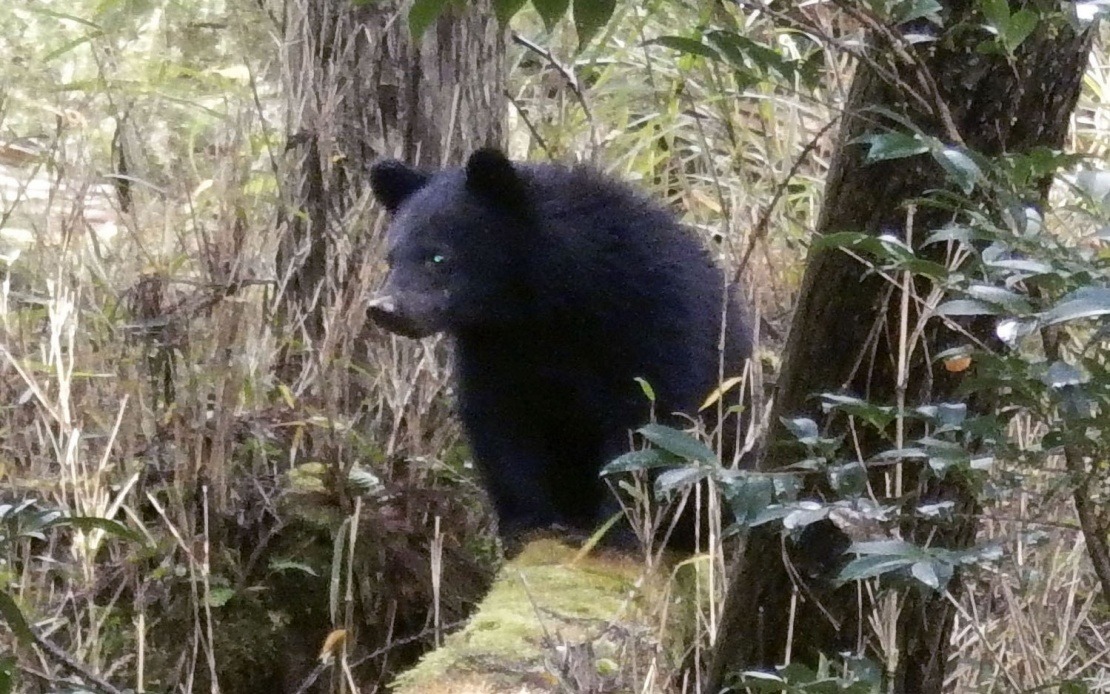
Japan's regional governments are grappling with an unexpected crisis: not from wildlife itself, but from angry citizens whose complaints about bear management have turned abusive and disruptive. A survey by the Ministry of Internal Affairs and Communications has exposed the human cost of Japan's escalating human-wildlife conflict, with more than four in ten surveyed municipalities reporting that responses to bear-related grievances have generated harassment severe enough to compromise their operations.
The scale of this administrative burden is striking. Of the 40 prefectural and municipal authorities selected for the year-long investigation that began in July of the previous year, 17 reported that fielding bear complaints had materially disrupted their day-to-day functioning. This disruption extends beyond mere inconvenience—staff members have found themselves besieged by calls of extraordinary duration, with ten of the affected jurisdictions documenting individual complaints that consumed more than sixty minutes of phone time. Five municipalities reported being overwhelmed through digital channels, inundated with website comments and email messages that consumed significant administrative resources.
The nature of these complaints reveals deep public polarization over wildlife policy. Some constituents have sent messages demanding that bears never be killed, reflecting animal welfare concerns that have gained traction in Japanese society. Simultaneously, other citizens have demanded the opposite—questioning why captured animals were not immediately culled. One municipality experienced a deluge of critical online comments immediately after announcing the release of a captured bear, illustrating how contentious these decisions have become. In one particularly aggressive incident, a resident repeatedly demanded to speak with the governor, making the same demand across multiple separate calls.
The harassment has extended beyond complaints to direct intimidation of government staff. A local government employee working on bear management issues became the target of a bear protection advocate who photographed the worker without consent and subsequently published the images online. This violation of privacy represents a troubling escalation and suggests that some members of the public view bear-related administrators as personally culpable for policies they implement on behalf of their governments.
These findings come against a backdrop of unprecedented wildlife pressure on Japan's communities. The country recorded more than 50,000 bear encounters during the 12-month period through March, official data confirms—a staggering figure that represents a doubling of the previous year's already-elevated numbers. This exponential increase in human-bear interactions has forced local governments into reactive postures, making difficult decisions about wildlife management while simultaneously facing public judgment from multiple, often incompatible constituencies.
The concentration of bears in certain regions has turned wildlife management into a persistent political issue at the municipal level. Local officials, who typically lack specialized training in wildlife communication or crisis management, find themselves serving as the public face of decisions made by distant bureaucracies. They absorb the frustration of residents who fear for their safety, simultaneously enduring criticism from animal protection advocates who view any lethal management as unconscionable. This squeeze between competing demands has proven psychologically and operationally exhausting.
The survey results prompted several municipalities to formally request that Japan's central government develop comprehensive response guidelines for managing both bear incidents and the public communication that accompanies them. This reflects a recognition that local capacity is insufficient to handle the combination of wildlife crisis and public relations challenge simultaneously. Officials have essentially called for support—both in the form of clearer policy direction and assistance in communicating difficult decisions to the public.
A ministry official acknowledged this reality, stating that measures are necessary to lighten the load on staff working at the frontlines of this conflict. The comment signals government awareness that sustainability of current operations depends on systemic improvements rather than simply asking overwhelmed employees to endure the pressure.
For Malaysia and the broader Southeast Asian region, Japan's experience offers instructive lessons about wildlife management in densely populated areas. As human encroachment into natural habitats continues across Asia, similar conflicts between wildlife conservation and public safety will likely intensify. The Japanese case demonstrates that the technical challenge of managing dangerous animals is only half the battle—managing public expectations and channeling legitimate safety concerns while respecting wildlife protection values requires sophisticated communication strategies and institutional support. Malaysian municipalities and other regional authorities managing their own human-wildlife conflicts may find Japan's emerging approach to staff protection and public engagement increasingly relevant as urbanization and habitat loss drive more wildlife into human settlements.

