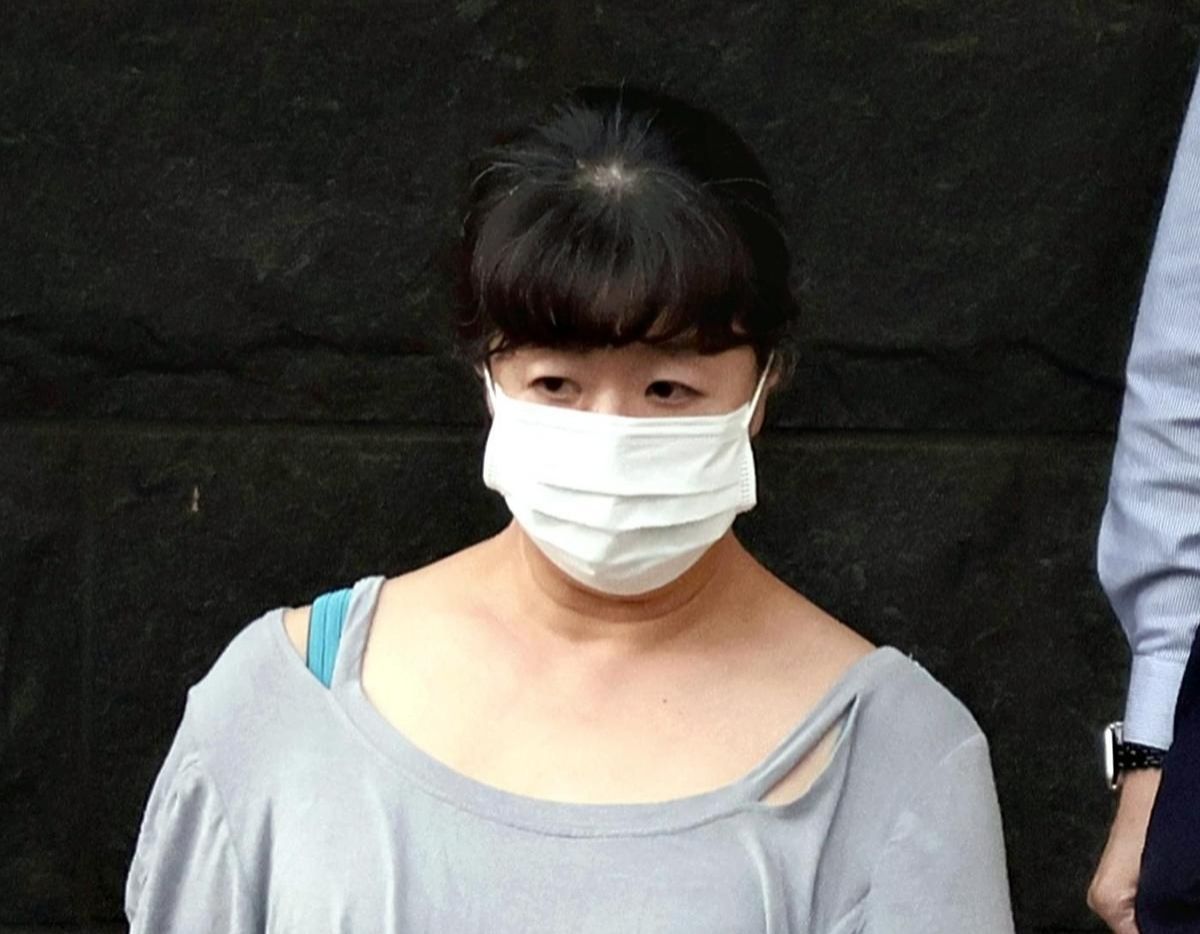
A midwife in Japan's Chiba Prefecture has been taken into custody on suspicion of deliberately tampering with a patient's medical equipment in what authorities are treating as a fatal case of hospital-based homicide. Miyuki Furukawa, 51, was arrested on Wednesday following an investigation into circumstances surrounding the death of a 75-year-old man at Kashiwa Tanaka Hospital in January.
The incident reportedly occurred in the early hours of January 30, when investigators allege that Furukawa contaminated the extension tube of the man's intravenous drip line at approximately 3.55 am. The patient, a resident of Toride in neighbouring Ibaraki Prefecture, deteriorated significantly over the following hours and was pronounced dead around 10.30 pm the same day. Medical authorities initially treated the death as a natural occurrence before subsequent investigation prompted police intervention.
Furukawa now faces formal murder charges as the Chiba prefectural police continue their inquiry into her motives and additional aspects of the case. The method alleged—deliberate contamination of life-support equipment—represents an exceptionally rare breach of hospital trust, raising profound questions about institutional oversight and the supervision of medical personnel in healthcare facilities. Such incidents, when they surface, typically trigger immediate reviews of security protocols and staff conduct procedures across healthcare networks.
The case has drawn significant attention in Japan's healthcare sector, where public confidence in hospital safety protocols has traditionally remained relatively high. The specificity of the allegations—the precise timing and method—suggests that investigators have gathered substantial evidence during their preliminary examination. The fact that charges were brought indicates prosecutors believe they possess sufficient grounds to proceed toward trial, though the case will ultimately depend on forensic analysis and witness testimony.
Hospital staff conduct and oversight remain sensitive issues throughout East Asia, where instances of healthcare professional misconduct, while statistically uncommon, generate considerable public concern when they emerge. The incident highlights the vulnerability of critically ill patients who are dependent on medical staff for direct care and dependent on equipment integrity for survival. Even momentary lapses in oversight or deliberate intervention can prove catastrophic for individuals relying on life-sustaining interventions.
For Malaysian healthcare observers, the case underscores the importance of robust verification mechanisms and environmental controls in hospital settings. Infection control protocols, equipment integrity checks, and staff supervision procedures are foundational elements of patient safety frameworks. Healthcare institutions throughout Southeast Asia have invested substantially in improving these safeguards, recognising that public trust in medical systems depends on demonstrable commitment to patient security at every operational level.
The investigation by Chiba prefectural police will likely examine whether there were warning signs regarding Furukawa's conduct, her employment history, any previous disciplinary matters, and whether systemic vulnerabilities in the hospital's oversight procedures enabled the alleged actions to occur. Institutions across Japan and the region typically respond to such cases by implementing enhanced monitoring systems, reviewing access protocols to patient care areas, and strengthening staff screening and supervision mechanisms.
Murder charges involving healthcare settings carry particular gravity because they involve exploitation of positions of trust and authority. Patients and their families place themselves in vulnerable circumstances, relying fundamentally on professional ethics and institutional safeguards. When those protections fail, the breach extends beyond individual harm to damage public confidence in healthcare institutions more broadly. Healthcare regulators across jurisdictions treat such cases as priority matters requiring thorough investigation and transparent resolution.
The timing of the alleged contamination—occurring during night hours when hospital activity is typically reduced and supervision potentially diminished—may be subject to scrutiny during investigation. Police will likely examine duty rosters, security camera footage if available, and witness statements from other staff members on duty during the relevant period. The investigation's scope will probably extend to reviewing other cases involving the accused to determine whether similar incidents occurred previously.
As the legal process unfolds in Japan, healthcare administrators throughout Southeast Asia will monitor developments closely, considering whether lessons from this case might inform their own institutional practices and risk management protocols. The broader implications concern not only criminal liability but also civil responsibility, regulatory oversight, and institutional accountability. Healthcare bodies regularly review training requirements, background screening protocols, and workplace surveillance mechanisms in response to high-profile cases involving staff misconduct in patient care settings.

