Japan's legislative branch approved modifications to its imperial succession law on Friday, July 17, but stopped short of the more transformative step that opinion surveys indicate most citizens favour: permitting a woman to ascend the throne. The upper house passed the measure with substantial backing, cementing a compromise position that addresses some pressures facing the imperial household without fundamentally altering male-only succession rules entrenched since 1947.
The immediate challenge animating this legislative push is decidedly practical. The monarchy's continuity now rests upon Prince Hisahito, Emperor Naruhito's 19-year-old nephew, who is still early in his own life journey—currently pursuing university studies in biology and entomology and unmarried. Should Hisahito fail to father a son, the imperial line faces potential extinction under existing statutes, a prospect that has prompted policymakers to seek incremental solutions.
The reform package adopted this week attempts to broaden the shallow pool of potential heirs by reopening pathways for male descendants of the imperial family who departed the official register after World War II. Specifically, the law now permits adoption of unmarried males aged 15 and above from among these distant relatives into the imperial house. Additionally, the legislation extends to female members a privilege previously reserved for men: the ability to maintain their royal status following marriage to individuals outside the imperial circle. These modifications represent tactical adjustments rather than philosophical restructuring.
Yet the decision to preserve the constitutional prohibition against female succession highlights deep fractures within Japan's ruling establishment. Prime Minister Sanae Takaichi, herself the nation's first woman to hold that office, has emerged as a vocal opponent of opening the throne to women—a stance that creates an apparent paradox between her own prominence and her resistance to similar advancement for other women. The Liberal Democratic Party, her ruling coalition partner, has been consumed by internal debate over how aggressively to pursue broader reform, ultimately settling on this narrower path that satisfies neither advocates for modernisation nor traditionalists.
The exclusion proves particularly pointed because Princess Aiko, Emperor Naruhito's 24-year-old daughter, represents one of Japan's most recognisable and popular figures. Under the unchanged succession framework, she and her two elder female cousins remain permanently barred from the throne regardless of their capabilities or public approval. An Asahi Shimbun poll conducted in May revealed that 72 percent of surveyed Japanese citizens support modifying succession rules to permit female emperors, yet that substantial democratic preference has been circumvented by the legislative process.
Dissent has surfaced from unexpected quarters. Seiichiro Murakami, a veteran legislator from the ruling party, characterised the exclusion of Aiko as "utterly outrageous" when the lower house approved the bill on July 10. Even more strikingly, establishment media outlets have joined the chorus of criticism. The Yomiuri Shimbun, Japan's highest-circulation newspaper and traditionally a reliable cheerleader for the LDP, recently published an editorial censuring the government's approach—a notable rupture suggesting that the compromise satisfies few meaningful constituencies.
Practical concerns about the adoption mechanism have emerged from former participants in the imperial system itself. Asahiro Kuni, an 81-year-old who once held imperial family status before one of the eleven branch families were formally severed from the register following Japan's wartime surrender, has warned that the government's strategy may prove unworkable. Kuni argues that expecting individuals who have reached adulthood while immersed in modern civilian life to suddenly transplant themselves into the restrictive protocols of the imperial household strains credulity. Speaking to the Asahi Shimbun, he observed that by age 15, a person has been "breathing the air of freedom" too long to adapt comfortably to the rigid hierarchies and ceremonial demands of imperial existence.
Kuni's scepticism carries particular weight given his intimate familiarity with the actual experience of imperial life. He contends that while some candidates might initially consider joining the imperial family, genuine understanding of the severe personal limitations accompanying such a position would likely deter them from acceptance. This assessment suggests that the recently passed legislation may offer only a theoretical solution to succession challenges without creating viable practical pathways for securing male heirs through adoption—leaving policymakers facing the same fundamental problem in years ahead.
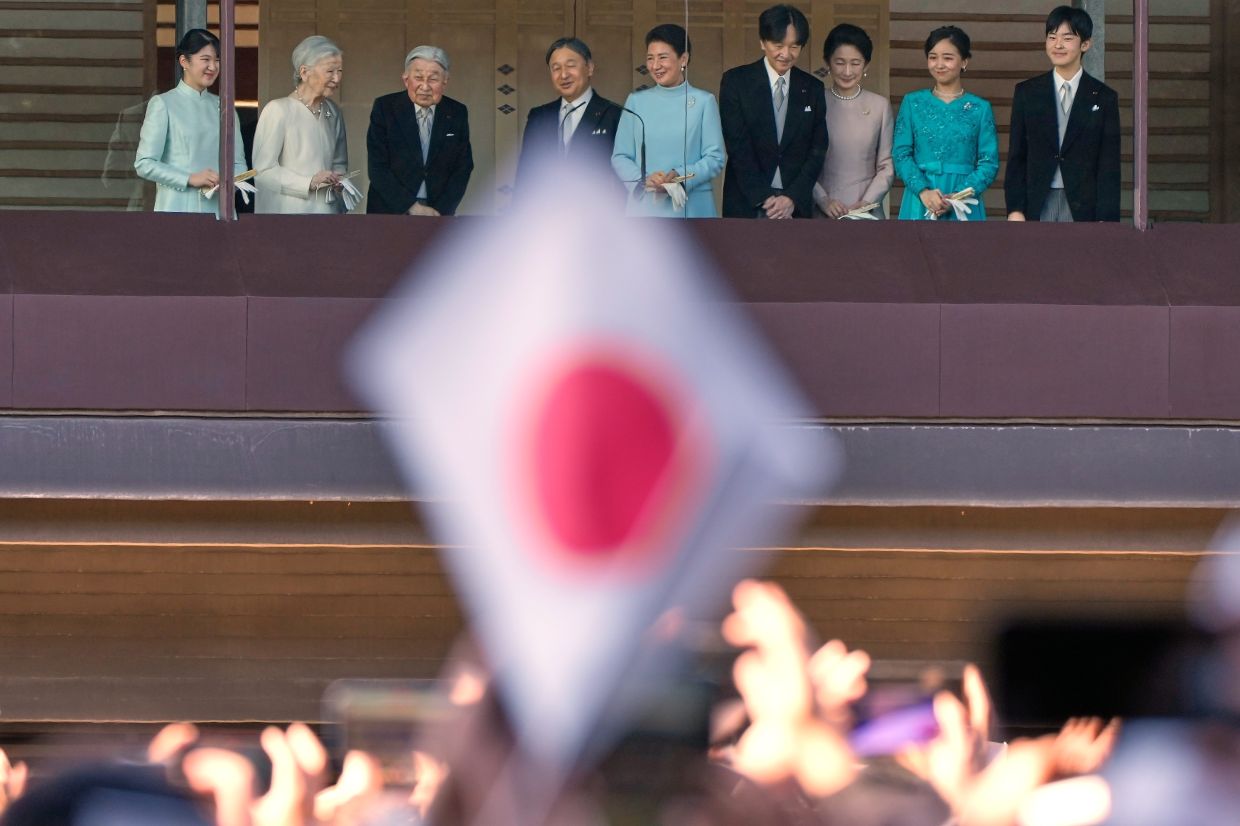
The imperial household's demographic composition underscores the urgency beneath this legislative exercise. The institution currently comprises just 16 members total, including only five males: the retired Emperor Akihito at 92, his 90-year-old brother, the serving Emperor Naruhito at 66, his brother, and the crucial Prince Hisahito. The contraction reflects decades-long patterns of royal women exiting the imperial register through marriage to commoners, a phenomenon that will accelerate unless male succession alternatives emerge.
The tension between public sentiment and governmental action reveals deeper complexities in Japanese policymaking around gender and tradition. While Prime Minister Takaichi's own ascendance demonstrates that Japanese society has demonstrably evolved beyond rigid restrictions on women in leadership, the imperial succession question appears to trigger different calculations. Conservative ideologies about the continuity of imperial bloodlines and concerns about modernising institutions steeped in Shinto mythology and state ceremony have apparently overridden contemporary democratic values.
For Southeast Asian observers, Japan's approach to this question illuminates how even developed democracies struggle to reconcile historical institutional frameworks with evolving social expectations. The reform enacted this week represents progress on narrow margins—women retain status in marital arrangements, and distant male relatives gain theoretical entry—yet it fundamentally defers the more substantial transformation that public opinion clearly supports. The actual succession crisis may force reconsideration sooner than policymakers anticipate.

