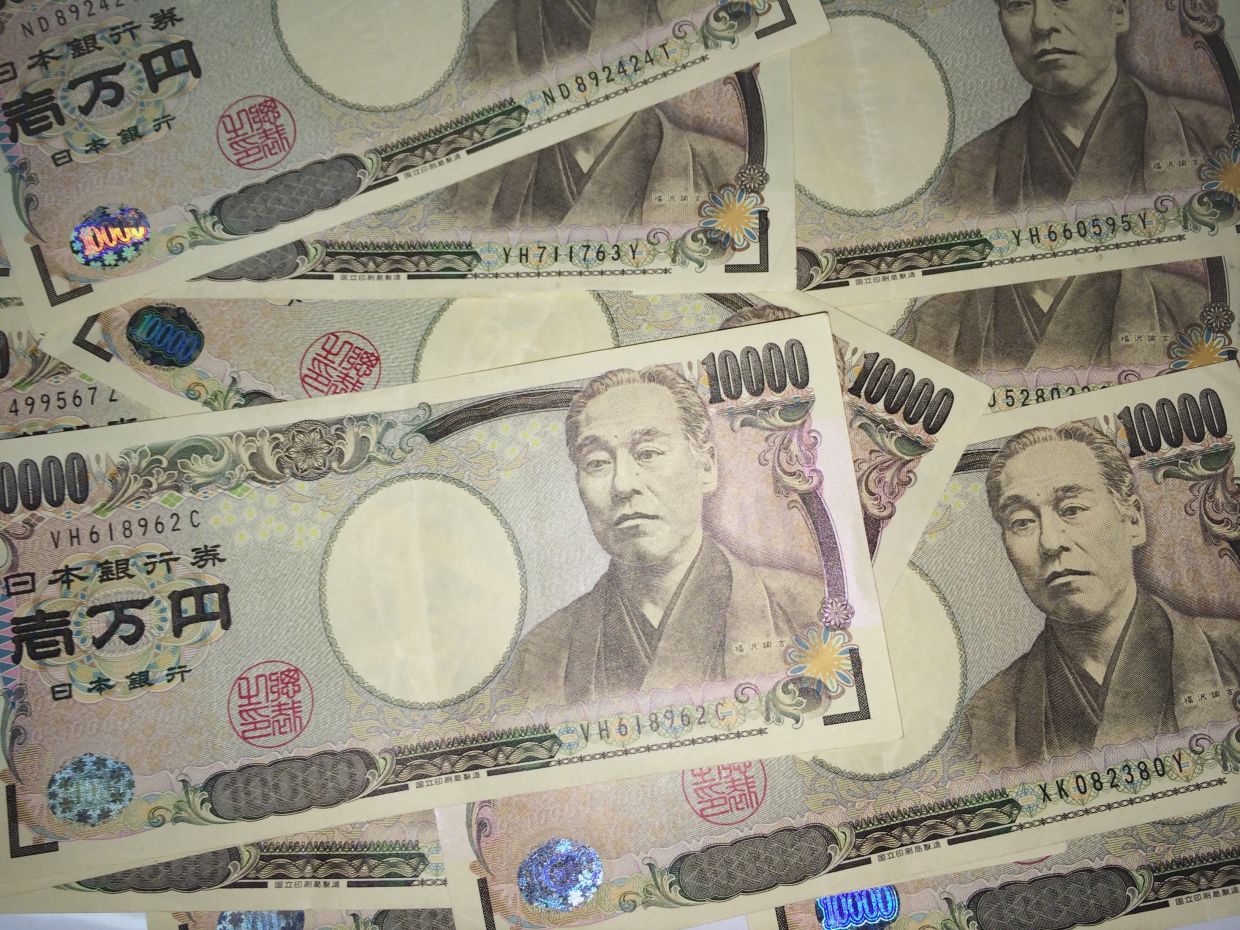
Japan has renewed its pledge to defend the yen against further deterioration, with Finance Minister Satsuki Katayama declaring that Tokyo stands ready to act decisively if needed and maintains regular dialogue with the United States on currency management. The warning comes as the yen trades around 161.2 per dollar on Friday, having recovered modestly from a 40-year low of 162.84 hit earlier in the week, though the currency remains under considerable structural pressure despite a temporary lift from weakness in the US dollar following disappointing American employment data.
The Japanese government's vigilance reflects mounting anxiety over the economic consequences of extended yen weakness. Katayama emphasised that the administration's commitment to currency stability has not wavered and stressed that Japanese and American officials maintain dialogue on foreign exchange matters even during US public holidays, signalling the high priority both capitals attach to preventing disruptive currency movements. The minister's remarks underline Japan's position that unilateral intervention remains on the table as a policy option, a threat that markets have taken seriously given the potential for sudden yen appreciation if authorities decide to act.
Underlying these official reassurances lies a deteriorating reality for Japan's productive sector, which has begun bearing tangible costs from the currency's prolonged slump. Research from think tank Tokyo Shoko Research revealed that bankruptcies attributable directly to yen weakness reached 45 cases during the first half of the year, representing a sharp 32.3 percent surge compared to the equivalent period twelve months earlier. The trend signals that what began as a balance-sheet challenge for large exporters and investors has evolved into an acute problem for smaller enterprises lacking the financial cushion to absorb escalating import expenses.
Wholesalers and companies dependent on imported raw materials have proven particularly vulnerable to the currency depreciation, as their limited pricing power prevents them from passing increased costs onto customers. This dynamic threatens to hollow out the mid-tier corporate ecosystem on which Japan's economy depends for employment and tax revenue, even as the bankruptcy statistics almost certainly understate the broader strain felt across supply chains. Government officials acknowledge the severity of the situation and have indicated plans to implement substantial measures aimed at revitalising private-sector activity, yet such stimulus comes with complicating political and financial constraints.
The fiscal dimension of Japan's policy dilemma has become increasingly fraught. Prime Minister Sanae Takaichi's recent economic blueprint has triggered considerable nervousness among international investors, who worry that the government intends to unleash substantial additional spending precisely when fiscal restraint might better serve the nation's long-term interests. This anxiety manifested itself on Friday when the benchmark 10-year Japanese government bond yield reached its highest level in three decades, a stark warning from markets that investor tolerance for expansionary fiscal policy is wearing thin. Bond holders interpreted the premier's statements as suggesting resistance to further monetary tightening by the Bank of Japan, a position that conflicts with market expectations for normalisation.
Notably, even unexpectedly strong government finances have failed to reassure nervous market participants. The Ministry of Finance reported that Japan collected 84.2 trillion yen in tax revenue during fiscal 2025, surpassing forecasts by 3.5 trillion yen and marking the sixth consecutive year of record collections. Yet this windfall did little to calm investors, who remain focused on the government's apparent reluctance to embrace monetary discipline and concern that rising spending will eventually overwhelm the benefits of improved tax collection. The widening gap between fiscal performance and investor sentiment suggests that market confidence in Japan's economic management is becoming increasingly fragile.
Emerging divisions within the government's own ranks further complicate the policy outlook. While Katayama has sought to characterise the economic blueprint as merely reaffirming existing commitments rather than signalling substantive shifts, some officials close to the dovish premier have begun advocating for a more measured approach to interest rate increases. Toshihiro Nagahama, an economist with close ties to senior government figures and a long-standing advocate of loose monetary and fiscal policies, argued on Thursday that moderate Bank of Japan rate hikes remain essential for preventing excessive yen weakness and constraining unwelcome surges in borrowing costs. This intervention suggests awareness within the administration that purely expansionary policies risk financial instability.
The disconnect between Japan's nominal fiscal strength and the underlying fragility of its financial position reflects a deeper tension in contemporary Japanese policymaking. Officials believe that the economy cannot absorb simultaneous currency weakness, monetary tightening, and spending restraint without risking renewed stagnation, yet financial markets appear increasingly sceptical that the government can indefinitely support both growth and stability through loose policies alone. The yen's weakness, rather than disappearing as policymakers might have hoped, has instead become a vector for transmitting broader anxieties about Japan's fiscal and monetary trajectory to international investors.
For regional observers watching from Southeast Asia, Japan's travails hold important lessons. Malaysia and other emerging markets that depend on imported energy and raw materials understand intimately how currency weakness compounds inflationary pressures and squeezes real incomes. Yet Japan's experience also demonstrates the hazards of allowing currency depreciation to persist unchecked, as competitive devaluations eventually invite policy responses from trading partners and ultimately damage confidence in economic management. Thailand's historical struggles with similar dilemmas and Singapore's emphasis on currency stability reflect the region's hard-won understanding that exchange rate management, though sometimes portrayed as technical or secondary, ultimately shapes the distribution of economic pain and gain across society.
The coming weeks will test whether Japan's threat of renewed intervention carries credibility and whether financial markets believe the government genuinely commands the will to defend the yen at levels that might constrain the expansionary impulses evident in Takaichi's blueprint. If intervention proves half-hearted or if markets perceive that officials have abandoned the effort in favour of other priorities, further yen deterioration could accelerate, potentially dragging in regional currencies and spreading Japan's deflationary problems across Asia more broadly. Conversely, if Tokyo successfully coordinates with Washington and demonstrates resolve through concrete action, the episode could restore confidence that major economies remain committed to orderly exchange rate management even amid the competing pressures of growth and stability.

