Japan has unveiled a US$15 million emergency humanitarian assistance package aimed at alleviating the pressing humanitarian crisis affecting several West Asian nations and territories. Foreign Minister Toshimitsu Motegi announced the decision on Friday, signalling Tokyo's continued commitment to addressing the region's mounting needs despite the volatility and instability that has characterised Middle Eastern affairs in recent times.
The largest portion of this assistance, approximately US$10 million, has been allocated specifically to Iran, which continues to grapple with the humanitarian fallout from protracted conflict and economic pressures. The designation of Iran as the primary beneficiary underscores Japan's recognition of the severity of conditions there, particularly given the intersection of military hostilities and broader socioeconomic challenges that have severely impacted ordinary citizens.
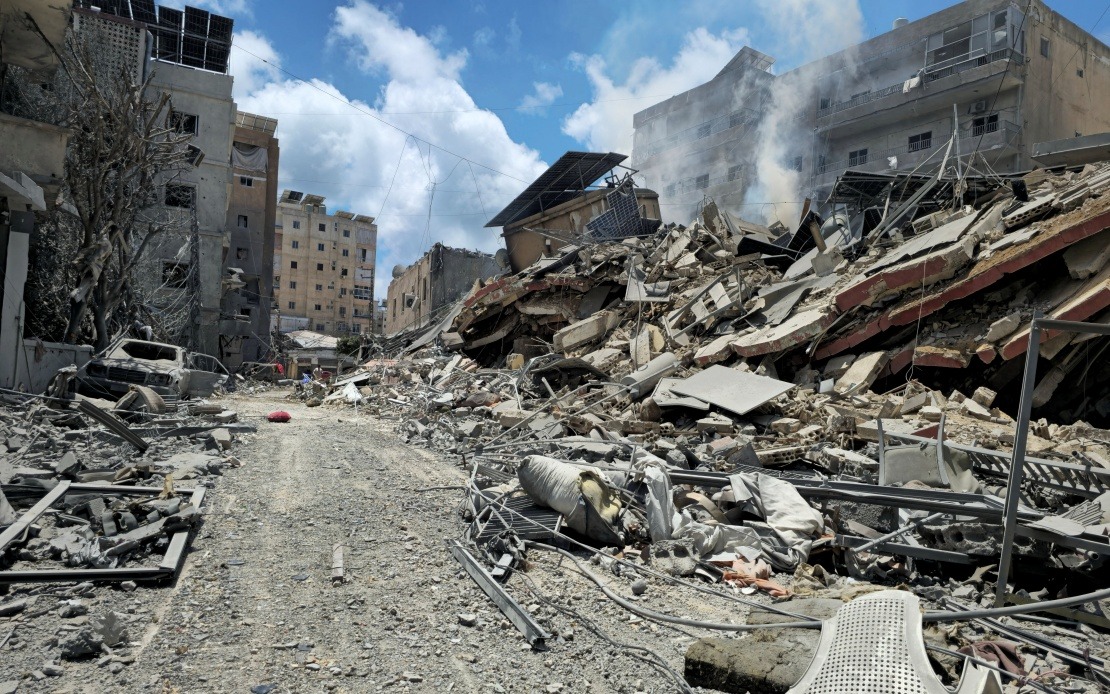
Lebanon is to receive roughly US$4 million from this package, reflecting the country's deepening humanitarian emergency. The nation has faced compounding crises stemming from economic collapse, political instability, and regional security concerns, creating what many observers consider one of the world's most severe humanitarian situations relative to its population size. This contribution acknowledges the acute need for immediate relief in a country where basic services and food security have deteriorated markedly.
Palestinian communities in the West Bank have been allocated US$1 million from the overall package. Despite the smaller proportional amount, this commitment recognises the ongoing humanitarian pressures faced by Palestinian civilians amid longstanding geopolitical tensions and periodic escalations that disrupt daily life and access to essential services.
The Japanese foreign ministry indicated that these funds will be channelled through established international organisations rather than delivered bilaterally, a strategy that ensures efficient distribution and coordination with established humanitarian infrastructure. The aid encompasses a broad spectrum of immediate necessities, including food staples, medical equipment and pharmaceuticals, and other essential relief materials designed to address the most pressing survival needs of affected populations.
Motegi framed Japan's decision within a broader strategic context, emphasising that peace and stability throughout the Middle East carry fundamental importance for Tokyo's regional and global interests. This characterisation reflects Japan's dependence on Middle Eastern energy supplies and its stake in maintaining shipping lanes and regional security arrangements that affect its economic wellbeing. The minister's remarks suggest Tokyo views humanitarian assistance as complementary to diplomatic efforts aimed at reducing tensions and creating conditions conducive to eventual political settlements.
Japan's pledge also reflects Tokyo's positioning as a committed participant in international humanitarian efforts despite its geographic distance from the crisis zones. As a wealthy nation with substantial diplomatic influence, Japan has traditionally sought to maintain balanced relationships across the Middle East and to demonstrate solidarity with international efforts to address humanitarian catastrophes regardless of political alignments. This approach allows Tokyo to project soft power while maintaining its careful diplomatic balance between various regional actors.
The timing of this announcement underscores how humanitarian crises in West Asia continue to demand international attention and resources. The compounding nature of multiple overlapping crises—military conflicts, economic collapse, and displacement—means that the humanitarian needs far exceed the resources currently available through existing channels. Japan's contribution, while significant, represents just one element of a much larger international response that remains insufficient relative to actual requirements on the ground.
For Malaysian readers and Southeast Asian observers, Japan's humanitarian initiative carries several implications. First, it demonstrates how wealthy developed nations continue to engage with Middle Eastern crises even as other international priorities compete for attention and resources. Second, it illustrates the interconnected nature of global humanitarian challenges, where stability and humanitarian conditions in distant regions carry indirect effects on Southeast Asian trade, security, and diplomatic relationships. Third, Japan's approach—emphasising multilateral channels and coordination with international organisations—offers a model for how regional powers might contribute to stabilising conflict zones without direct political entanglement.
The announcement also underscores the reality that while diplomatic breakthroughs remain elusive, humanitarian assistance provides a crucial stopgap measure that can reduce immediate suffering even as underlying political problems persist unresolved. For countries like Malaysia that maintain diverse diplomatic relationships across the Middle East, Japan's balanced approach to humanitarian assistance offers a template for engaging with multiple stakeholders in ways that transcend political divisions.
Looking ahead, observers will monitor whether this Japanese commitment catalyses broader international action or whether it remains an isolated gesture. The adequacy of US$15 million to address humanitarian needs affecting millions of people across three distinct areas suggests that the international community's response remains inadequate relative to the scale of suffering. Japan's willingness to contribute despite economic challenges at home may also prompt other developed and emerging economies to reassess their own humanitarian obligations toward one of the world's most troubled regions.

