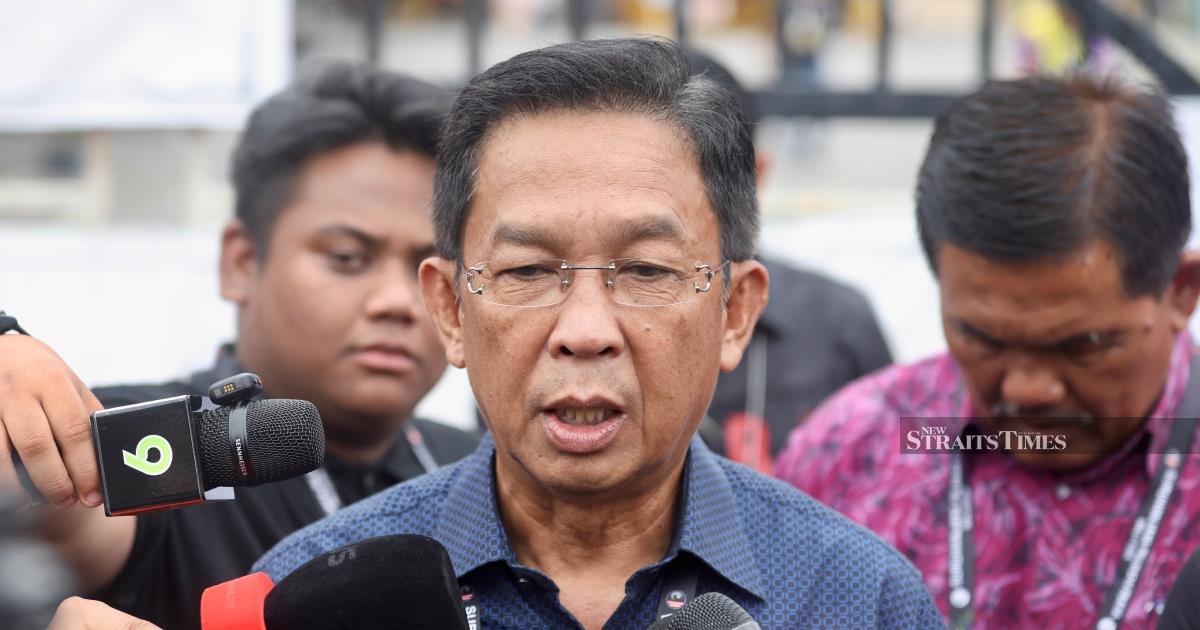
Datuk Seri Jalaluddin Alias, chairman of the Negri Sembilan Umno Liaison Committee, has offered an explanation for his conspicuous absence from the menteri besar swearing-in ceremony held at Istana Besar Seri Menanti yesterday, attributing the no-show to a lack of adequate advance notification.
The high-profile absence drew attention in political circles, prompting clarification from the senior Umno figure whose presence at such significant state-level events is typically expected. Jalaluddin's role as liaison committee chairman places him at the intersection of party politics and state administration, making his attendance at ceremonial occasions matters of political significance in Negri Sembilan's closely-watched political landscape.
The explanation centres on the timing of the invitation and the operational challenges this created. When ceremonial events are scheduled with minimal forewarning, particularly for senior officials with extensive pre-existing commitments, attendance becomes logistically complicated. The swearing-in of a menteri besar represents a formal state occasion where the guest list typically includes party figures, government officials, and dignitaries, making the presence or absence of prominent names subject to political interpretation.
Negri Sembilan's political environment has been marked by significant developments in recent months, with the state continuing to navigate questions of governance and political stability. The timing of this clarification reflects how intensely stakeholders scrutinize attendance patterns at major ceremonial functions, with each absence potentially triggering speculation about underlying tensions or shifts in political allegiances.
For Malaysian readers following state-level politics, such incidents illustrate the intricate layers of protocol and symbolism embedded in formal government functions. Swearing-in ceremonies serve purposes beyond administrative formality—they are carefully observed moments where political messaging occurs through presence, seating arrangements, and the prominence afforded to various figures. An absence by a senior party liaison official can inadvertently send mixed signals about party cohesion or the individual's standing within the organization.
Umno's representation at state government ceremonies carries particular weight given the party's historical role in Malaysian politics and its continuing influence across multiple state administrations. The Negri Sembilan Umno Liaison Committee functions as a coordinating body between national party leadership and state-level operations, making its chairman's visibility at important events part of maintaining organizational unity and demonstrating continued engagement with state affairs.
The nature of Jalaluddin's explanation—that short notice prevented attendance—is a practical consideration that will resonate with those familiar with the demanding schedules maintained by high-ranking political figures. However, such explanations also benefit from immediate and clear communication to minimize speculation about other possible reasons for absence. The statement represents an effort to reframe the absence from a potential negative signal into a straightforward scheduling matter.
This incident underscores how Malaysian state politics operate within frameworks where ceremonial observances carry substantive meaning. The careful management of political visibility has long been integral to maintaining position and influence within party structures. A successful explanation requires both credibility and swift delivery, elements that appear central to Jalaluddin's clarification strategy.
For the broader Malaysian political community, the incident serves as a reminder that governance involves both formal decision-making processes and the symbolic dimensions through which political actors communicate with peers, party members, and the public. The menteri besar's swearing-in represents an inflection point in Negri Sembilan's political calendar, one where organizational discipline and unity ideally appear seamless to observers.
Jalaluddin's clarification, delivered from Seremban at the state level, reflects efforts to contain potential damage to his political profile resulting from the missed ceremony. In Malaysian politics, where factional dynamics remain relevant within multiethnic coalitions and individual states pursue distinct political trajectories, maintaining clear explanations for significant absences helps preserve standing among colleagues and constituents alike. The incident demonstrates how scheduling challenges, while apparently routine administrative matters, acquire political dimensions when they occur at high-visibility state occasions.

