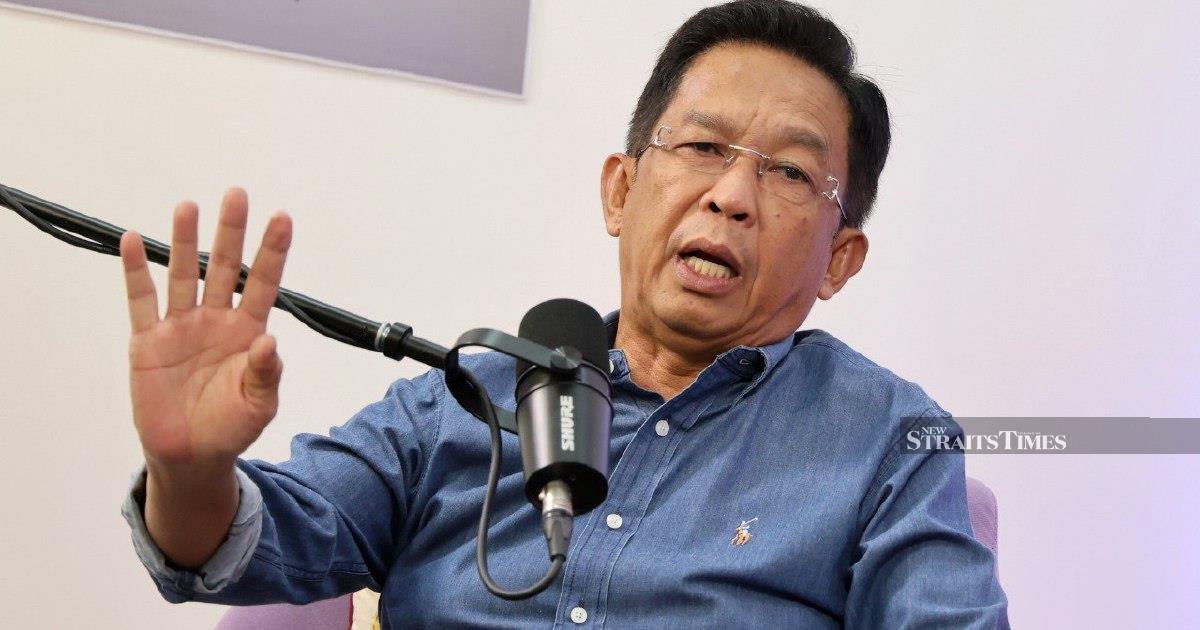
Datuk Seri Jalaluddin Alias, who chairs the Negri Sembilan Umno Liaison Committee, has moved to quell speculation regarding his personal political fortunes by clarifying that he harbors no regrets about not securing the menteri besar position. Speaking in Seremban, the senior party figure stressed that the successful return of Barisan Nasional to the corridors of state power constituted the genuine triumph that mattered most to the coalition and its membership.
The statement arrives amid the typical jostling that follows electoral victories in Malaysian politics, when senior figures within winning coalitions often face scrutiny about cabinet and state executive appointments. Such positioning typically generates media commentary questioning whether senior politicians are satisfied with their roles, and Jalaluddin's public denial appears designed to preempt further speculation that might prove divisive within Umno ranks at a crucial consolidation period.
Jalaluddin's remarks underscore a broader narrative within Barisan Nasional leadership in Negri Sembilan emphasizing collective achievement over individual advancement. By publicly downplaying personal ambition, he projects an image of a seasoned politician prioritizing organizational stability and coalition cohesion over personal ministerial preferences. This approach reflects lessons learned from previous instances where public disappointment among senior figures undermined party unity.
Negri Sembilan holds particular significance within Malaysia's federal structure as a state where Umno has historically maintained considerable influence, though recent years have seen competitive electoral contests. The appointment of the menteri besar typically involves delicate negotiation between Umno's state branch, federal party leadership, and the broader Barisan coalition partners, each advancing their own candidates and claims to the position. Such processes frequently generate internal tension as ambitious figures assess their standing and prospects.
The Umno Liaison Committee role that Jalaluddin occupies represents a significant party position, though typically distinct from the menteri besar office. Such liaison committees coordinate party activities and interface with higher party leadership, making them influential platforms for managing internal party affairs. Jalaluddin's willingness to reaffirm his commitment to this role suggests acceptance of his current assignment within the organizational hierarchy.
For Malaysian readers following state-level politics, Jalaluddin's statement carries implications beyond Negri Sembilan itself. It signals how Barisan Nasional intends to manage expectations among senior figures as the coalition consolidates power following electoral success. Managed expectations and demonstrated party unity prove essential for maintaining coalition stability, particularly when multiple parties and factions hold competing claims on senior positions within state governments.
The broader context involves Barisan Nasional's ongoing efforts to rebuild its political standing after the 2018 electoral reversal. Senior figures throughout the coalition have learned that public displays of dissatisfaction with appointment outcomes can cascade into organizational problems. Jalaluddin's proactive statement therefore serves both as personal positioning and as a model for how other senior figures should publicly respond to appointment decisions they may privately question.
Negri Sembilan's political landscape involves particular considerations around the menteri besar role, including the state's constitutional arrangements and conventions regarding recruitment to that office. The state's Dewan Negeri structure and the appointment procedures established through state law and convention mean that the position remains subject to established political protocols distinct from purely national considerations. Understanding these state-specific factors proves important for assessing why particular individuals receive appointment to such roles.
For Umno as an organization, maintaining harmony among senior figures represents a persistent challenge during periods of power consolidation. Appointments to ministerial and state executive positions inevitably disappoint those who harbor ambitions for higher roles. How party leadership manages these disappointed figures—whether through public acknowledgment, through assignment of other significant responsibilities, or through strategic communication—significantly impacts organizational cohesion. Jalaluddin's approach appears calibrated toward demonstrating flexibility and commitment to broader party objectives rather than positioning himself as someone owed compensation for perceived slights.
The state-level dynamics in Negri Sembilan also reflect larger Malaysian political trends regarding coalition management and power-sharing arrangements. Barisan Nasional comprises multiple parties with overlapping territorial interests and competing leadership ambitions. At the state level, negotiating which party receives which ministerial portfolio, and which individuals occupy specific roles within those portfolios, requires careful political calculation. Jalaluddin's statement contributes to a narrative of professional management of these complex arrangements.
Looking forward, Jalaluddin's clear prioritization of coalition success over personal position-seeking establishes a tone for how Negri Sembilan Umno figures should approach their roles within the broader political structure. This messaging matters particularly as the coalition pursues various policy initiatives and faces opposition scrutiny. A united front from senior Umno figures helps project an image of stable, decisive government at the state level, critical for maintaining public confidence and managing ongoing political challenges.

