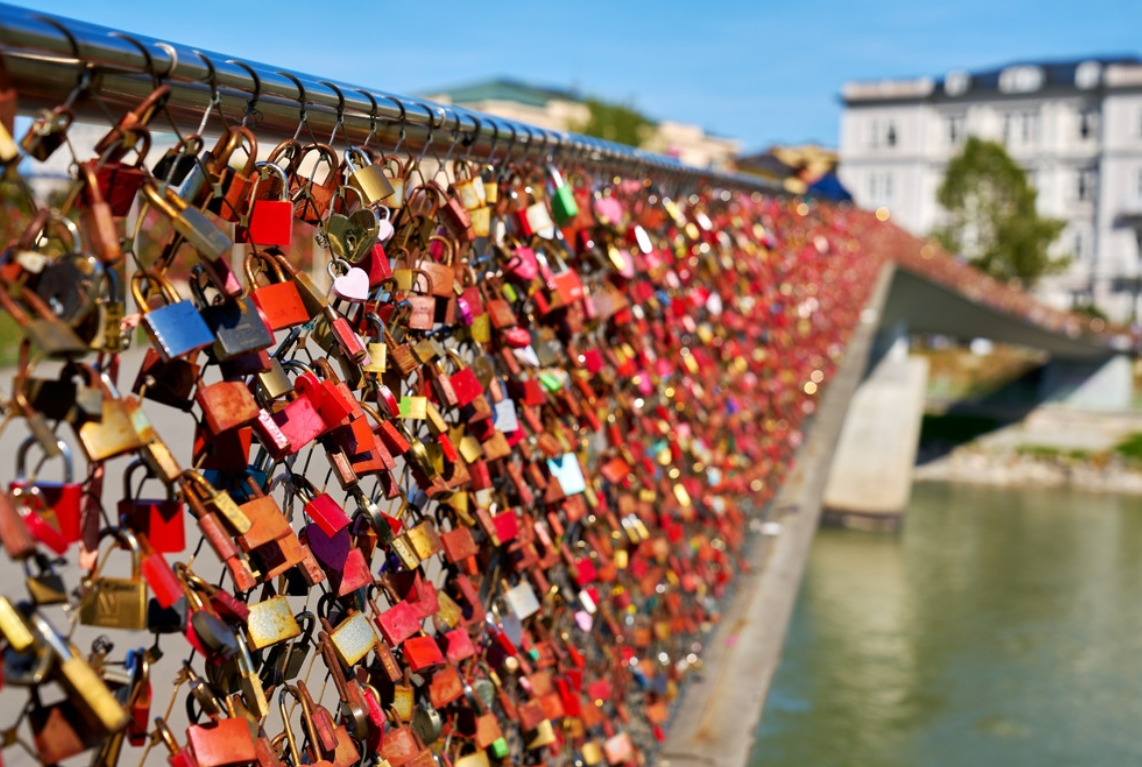
Jakarta's administration is moving forward with an ambitious beautification scheme that would see several "love lock" bridges erected across the Cideng River, a waterway that runs parallel to Jl. Rasuna Said in South Jakarta. The proposal, championed by Governor Pramono Anung, aims to connect the thoroughfare with Jl. Kuningan Persada and create a romantic gathering space inspired by similar installations in Paris and Seoul. However, the plan has become a lightning rod for debate about municipal spending priorities, pitting aesthetic ambitions against the city's more fundamental infrastructure deficits.
According to Pramono, who outlined the vision to journalists, the completed project would feature three or four pedestrian bridges adorned with padlocks from couples, transforming the structures into colourful expressions of romantic sentiment. The initiative represents part of a broader revitalisation effort targeting the heavily trafficked 3.8-kilometre corridor, one of Jakarta's most congested arteries. Beyond the love lock bridges themselves, the city administration has committed Rp91 billion (approximately US$5 million) to upgrading the entire stretch, encompassing sidewalk renovations and removal of deteriorating concrete supports that remain from Jakarta's abandoned early-2000s monorail project. Special gubernatorial aide Cyril Raoul "Chico" Hakim has characterised the bridges as modern yet pedestrian-friendly installations designed to foster what the administration terms a "romantic public space."
The budgetary allocation and conceptual framing, however, have triggered considerable scepticism among residents and technical experts alike. Jakartans working in the vicinity question whether the romantic installations would achieve their intended purpose, given the area's primary character as a commercial business district dominated by vehicular rather than foot traffic. Karlina, a 27-year-old office worker employed near Mega Kuningan, acknowledged the bridges might possess novelty appeal but expressed doubts about their capacity to attract regular visitors during leisure time. She contended that younger generations, particularly Gen Z, gravitate towards free, easily accessible gathering spaces served by convenient public transport connections, not necessarily romantic monuments in corporate areas.
Urban planning specialist Trubus Rahadiansyah has been more pointed in his critique, dismissing the bridge concept as a "gimmick" that prioritises symbolic value over functional necessity. He argues that Jl. Rasuna Said's traffic composition—overwhelmingly dominated by motor vehicles rather than pedestrians—makes it an unsuitable location for infrastructure designed primarily to enhance pedestrian experience. Rahadiansyah contends that municipal resources would yield substantially greater public benefit if directed toward projects addressing genuine mobility and safety challenges that currently plague the city. His concerns resonate with the April incident at a railway crossing in Bekasi, West Java, where a commuter train collided with the Argo Bromo Anggrek intercity service, resulting in 16 fatalities and over 91 injured. That disaster, he notes, stemmed partly from a separate collision between a commuter train and an electric vehicle marooned at an unprotected level crossing.
The railway crossing tragedy underscores what Rahadiansyah identifies as a critical infrastructure shortfall throughout Jakarta's metropolitan area: many level crossings lack fundamental safety installations such as automated gates and protective barriers. The absence of these basic safeguards represents a persistent threat to public welfare, yet receives far less mayoral attention than projects conceived primarily for aesthetic or tourism purposes. From this perspective, the love lock bridges exemplify a troubling municipal tendency to prioritise symbol-laden projects that generate positive media coverage and attract visitors over unglamorous but life-saving infrastructure improvements. The psychological appeal of romantic initiatives can inadvertently eclipse the harder work of addressing systemic safety vulnerabilities and mobility bottlenecks that affect millions of commuters daily.
Political voices have joined the technical critique. Kevin Wu, a Jakarta city councillor representing the Indonesian Solidarity Party (PSI), has called for transparent scrutiny of the love lock bridge expenditure, framing the debate as fundamentally about equity and representative governance. Wu emphasises that residents across West, East and North Jakarta deserve access to equitable development rather than concentrated investment in iconic downtown projects. His position reflects a broader concern that high-profile beautification initiatives in commercially vibrant districts can create a misleading impression of municipal competence and progress while peripheral communities continue lacking basic services. He advocates prioritising accessible sidewalks, safer pedestrian crossings, and public green spaces distributed throughout the city rather than concentrating resources on romantic installations in affluent business areas.
The administration has indicated that the project remains in preliminary budgeting and design phases, with final costs still to be determined pending detailed engineering specifications. This timing provides a window for meaningful public consultation and reassessment of priorities. Officials have maintained that the Rp91 billion allocation funds the entire corridor revitalisation, not exclusively the love lock bridges, which suggests component costs remain fluid. Nonetheless, the philosophical question animating the controversy transcends mere accounting: whether Jakarta's municipal leadership should frame development primarily through aesthetic and tourist-attraction lenses or whether it should centre public safety, equitable service delivery, and functional mobility as foundational principles.
The love lock bridge controversy reflects broader global tensions between aspirational urbanism and practical governance. Cities worldwide have embraced such installations as placemaking tools, yet they generate particular controversy in developing metropolises where basic infrastructure gaps remain acute. Jakarta's explosive growth and sprawling geography create competing demands on limited municipal budgets, forcing administrators to constantly arbitrate between transformative visions and incremental improvements to existing systems. The question is not whether romantic public spaces possess legitimate value—urban amenity matters to quality of life—but whether sequencing and resource allocation appropriately reflect resident needs and democratic priorities. For a megacity simultaneously grappling with inadequate pedestrian infrastructure, dangerous railway crossings, and uneven service distribution across districts, the love lock bridge proposal crystallises fundamental questions about what urban development should prioritise and whom it ultimately serves.

