The Selangor Islamic Religious Department (JAIS) is moving to strengthen safeguarding protocols in religious schools across the state, responding to growing concerns about inappropriate conduct by educators. The initiative centres on implementing more rigorous background checks for teaching staff and establishing clearer boundaries around student-teacher interactions, marking a significant tightening of oversight in institutions that serve thousands of young Malaysians seeking religious education.
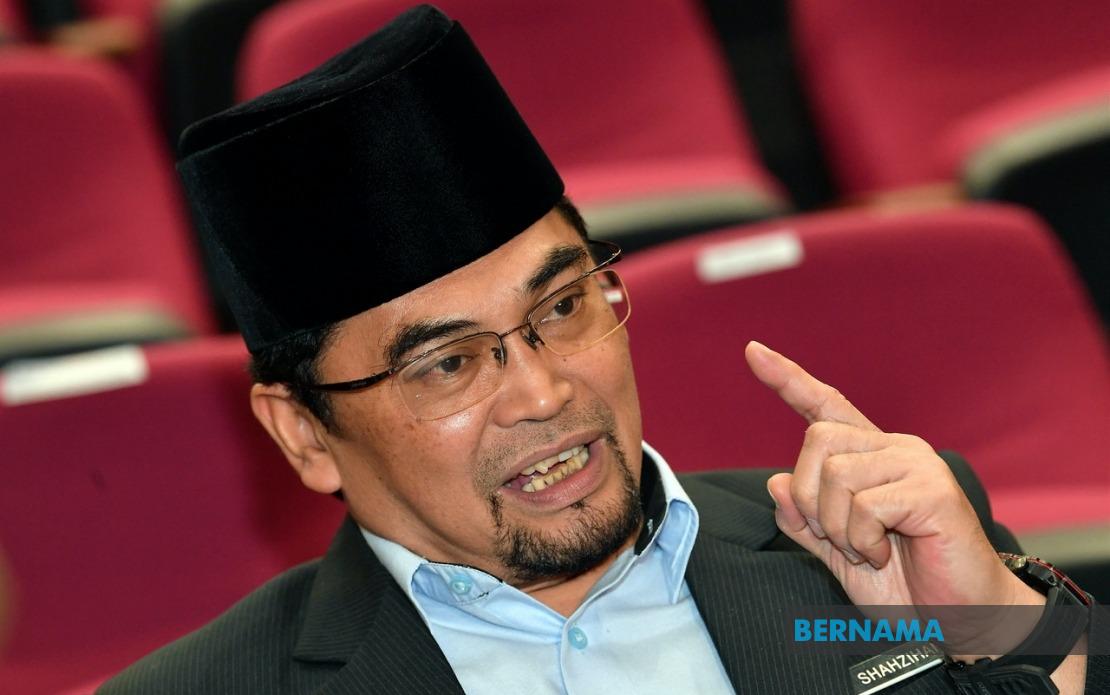
Datuk Mohd Shahzihan Ahmad, JAIS's director, outlined the department's evolving strategy during remarks made in Shah Alam following a preparatory course for students planning to study in the Middle East. The measures being developed represent a comprehensive rethink of how religious schools manage institutional risk, particularly in response to recent incidents that have prompted both parental concern and government scrutiny. JAIS is currently in consultation with the School Registration Committee to finalise both the procedural framework and the specific guidelines that will govern these new arrangements.
Among the most substantive proposals under consideration is a requirement that all teachers undergo police clearance verification before or during their employment. This represents a departure from existing practice in many religious institutions, where background checking may be less systematic or standardised. Mohd Shahzihan acknowledged that effective implementation will require close coordination with law enforcement agencies, suggesting that JAIS and police authorities are actively designing the technical mechanisms for conducting such screenings at scale across Selangor's network of religious schools.
Beyond recruitment screening, JAIS is simultaneously addressing the environment within which teachers and students interact daily. The department has identified the risk posed by informal, unsupervised settings where misconduct can occur without witnesses or institutional accountability. Proposed guidelines will restrict one-on-one meetings, memory sessions, and other educational activities to times and locations with adequate visibility and supervision. The aim is to eliminate the circumstances under which inappropriate behaviour might flourish, rather than relying solely on the character assessment of individual educators.
Mohd Shahzihan articulated this preventative philosophy clearly, emphasising that staff at all levels—teachers, administrators, and senior students—must avoid patterns of behaviour that create vulnerability. The specific prohibition against special treatment, private meetings during unusual hours, and sessions in isolated areas reflects a recognition that institutional culture and architectural environment play crucial roles in protecting minors. This systemic approach complements the enhanced vetting process, creating what officials frame as a multi-layered defence against abuse.
The backdrop to these policy developments is a documented incident in which a teacher at a Selangor religious school faced allegations of sexual assault involving a student. That case was transferred to police investigation following state government intervention, indicating the seriousness with which authorities now regard such matters. The incident appears to have crystallised concern among policymakers that existing regulatory frameworks may be insufficient to protect vulnerable young people in these settings, prompting the accelerated review of institutional practices.
For Malaysian parents considering religious schooling for their children, the initiative signals a material shift in how oversight operates. Historically, religious schools have sometimes operated with less formal governance structures than their conventional counterparts, partly due to their distinct educational mission and partly due to patterns of institutional autonomy. The JAIS proposals, if implemented comprehensively, would align religious institutions more closely with contemporary safeguarding standards while respecting their pedagogical independence. The emphasis on transparent interaction protocols and documented clearance procedures represents a modernisation of accountability mechanisms.
The decision to involve the School Registration Committee indicates that these changes will likely become embedded in formal regulatory requirements rather than remaining as advisory guidelines. This institutional anchoring increases the likelihood of consistent implementation across the state's religious schools, from large established institutions to smaller, community-based operations. However, the success of such reforms ultimately depends on resourceful compliance monitoring and the willingness of school leadership to embed new practices into daily operations.
From a regional perspective, Selangor's approach reflects broader trends across Southeast Asia where religious and faith-based educational institutions face increasing scrutiny regarding child protection. Malaysia's initiative mirrors similar conversations in neighbouring countries, where governments are balancing respect for religious autonomy with the imperative to safeguard minors. The involvement of police authorities in the vetting process also suggests a growing integration between secular law enforcement and religious institutional governance, a development with implications for how inter-agency cooperation evolves in this space.
The practical implementation of police clearance screening will present significant logistical and resource challenges, particularly if JAIS pursues retroactive vetting of existing staff. Religious schools in Selangor employ thousands of teachers, and processing this volume of clearances through police systems will require dedicated administrative capacity. The department's ongoing discussions with police leadership suggest recognition of these challenges, though concrete timelines and resource allocations have not yet been publicly announced.
The emphasis on interaction guidelines also raises questions about training and institutional culture change. Introducing new protocols alone is insufficient; schools require sustained professional development to help staff understand the rationale behind restrictions and to ensure consistent compliance. Teachers may need reassurance that appropriate professional interactions will continue, while clear boundaries prevent inappropriate relationships. This cultural dimension of reform often receives less attention than policy announcement but proves essential for meaningful behaviour change.
Looking forward, the JAIS measures represent a watershed moment in how Malaysian religious education institutions approach child safety. Success will be measured not merely by policy adoption but by genuine changes in how these schools operate day-to-day. Parents, educators, and religious leaders will need to engage actively in translating safeguarding principles into institutional practice. The Selangor initiative thus functions both as an immediate response to documented concerns and as a template for how other states' religious education authorities might approach similar challenges, potentially establishing new baseline standards for the sector nationally.

