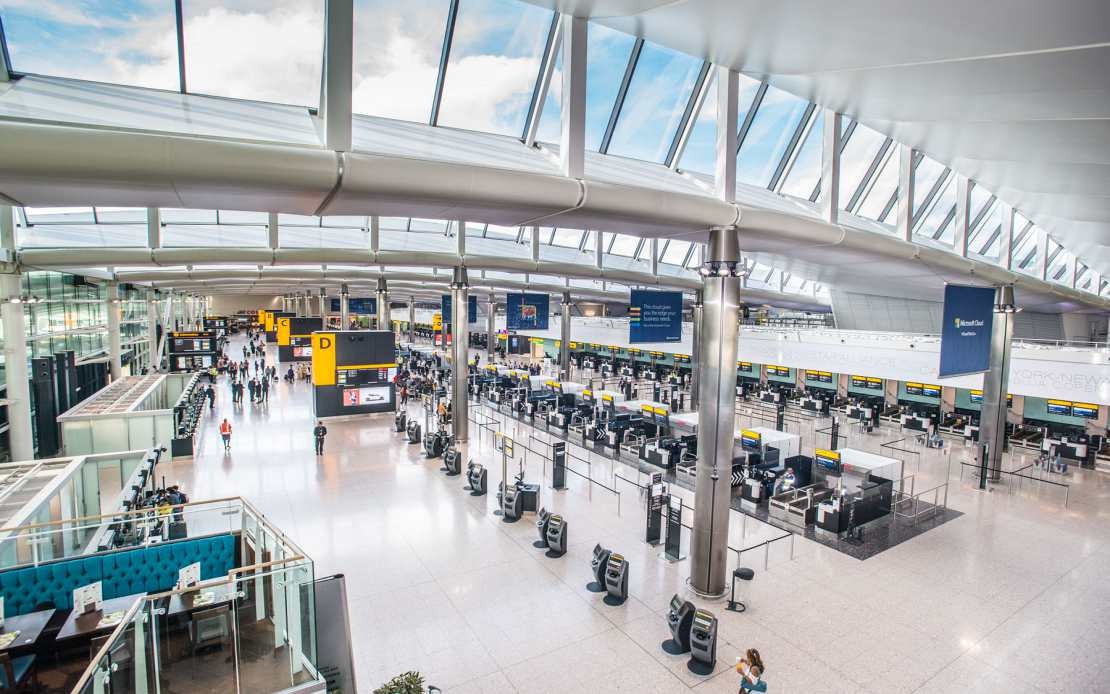
Istanbul airport has reclaimed Europe's crown as the continent's busiest hub, displacing London's Heathrow after a narrow margin in passenger volumes during July. The Turkish gateway processed 8.15 million travellers across the month, edging past Heathrow's 7.86 million passengers, marking a symbolic turning point in European aviation leadership. The shift represents a significant reversal for Britain's flagship airport, which had held the title uninterrupted for two decades before losing ground during the pandemic's travel freeze.
Heathrow's loss of status comes at a politically charged moment, as the airport intensifies lobbying for a third runway expansion. Airport authorities seized on the figures to underscore what they frame as an urgent infrastructure imperative, arguing that their operating position at maximum capacity leaves no room for growth without major capital investment. The numbers provide ammunition for expansion advocates who contend that Britain risks ceding aviation dominance to continental competitors without aggressive expansion. Transport Secretary Heidi Alexander has launched a formal consultation process on the expansion scheme, with the government signalling its willingness to examine whether the project can proceed and under what conditions.
The dynamics that led to Heathrow's dip deserve closer scrutiny. Passenger numbers on routes serving West Asia contracted sharply year-on-year, falling 20.2 percent in July alone, a decline traceable to escalating tensions between the United States and Iran. This geopolitical friction disrupted traditional aviation patterns across the Middle East, diverting traffic away from London hubs. Conversely, Istanbul benefited from a 2.3 percent boost to its passenger throughput, likely reflecting its geographical advantages as a bridge between European and Asian markets during periods of volatility on Middle Eastern routes. The comparative decline at Heathrow, at 1.5 percent, suggests structural weakness beyond temporary conflicts.
Heathrow's historical trajectory offers important context for Malaysian observers tracking global aviation trends. The airport had dominated European rankings consistently from 1996 through 2019, a two-decade reign that symbolised Britain's air travel dominance. The pandemic interrupted that streak in 2020, but Heathrow recovered the position in 2023 and maintained it until this summer's slip. This volatility illustrates how quickly aviation hierarchies can shift, a lesson relevant to Malaysia's own aviation sector as regional hubs like Kuala Lumpur International Airport compete for traffic against emerging alternatives.
The proposed expansion itself carries substantial implications for Britain's competitive positioning. Heathrow's owners envision accommodating 150 million passengers annually with a third runway, a near doubling of current capacity. Such a facility would theoretically lock in Heathrow's dominance for decades and cement London's role as Europe's primary intercontinental gateway. The expansion has proven contentious within British politics, however, with Prime Minister Andy Burnham—who previously held the position—expressing reservations about the scheme. Burnham argued that prioritising London airport expansion diverts scarce infrastructure investment away from northern England, deepening regional inequities and concentrating economic benefits in the southeast.
The political arithmetic has shifted since those earlier objections. Rachel Reeves, the then-Chancellor, declared her determination to see construction commence during the current Parliament, with completion targeted for 2035. That timeline would require rapid parliamentary approval and swift project commencement, though Burnham's subsequent removal of Reeves from government positions complicates momentum. The consultation process initiated by Alexander suggests the government maintains interest in the scheme, despite the leadership tensions that surround it.
Heathrow has deployed several tactical arguments to bolster its expansion case. The airport highlighted July 19 as its peak day, when 267,000 passengers flowed through its terminals as British schools broke for summer holidays, demonstrating the capacity stress already present during predictable surge periods. Management also emphasised the arrival of several new airlines during July, including ITA Airways serving Italy, Alaska Airlines from the US, and Riyadh Air from Saudi Arabia. These additions ostensibly demonstrate lingering airline demand for Heathrow slots, contradicting any narrative of weakening interest in the airport.
Chief executive Thomas Woldbye framed the situation in growth terms, stating that expansion would allow Heathrow to expand its route network and strengthen its position as Europe's leading hub. Beyond parochial airport interests, Woldbye argued that enhanced connectivity would generate broader economic returns through increased trade, investment flows, and tourism revenues. This logic appeals to government policymakers conscious of Britain's post-Brexit competitive vulnerabilities and eager to demonstrate economic dynamism. Woldbye's messaging strategically links a single airport project to national economic interests, a framing that carries weight in Westminster political circles.
For Southeast Asian stakeholders, the Heathrow-Istanbul rivalry carries instructive lessons about aviation market dynamics. Istanbul's rise reflects Turkey's geography and strategic positioning as a bridge between continents, advantages that regional hubs must exploit through excellent connectivity and service. The case also illustrates how geopolitical disruptions like US-Iran tensions immediately reshape aviation patterns, affecting passenger flows and competitive positioning. Malaysia's aviation sector, centred on Kuala Lumpur International Airport, competes in similar regional hierarchies where geography, infrastructure quality, and political stability all shape market outcomes.
The consultation process now underway will ultimately determine whether Heathrow advances toward expansion or remains constrained by current capacity. The airport's loss of Europe's busiest status provides rhetorical ammunition for advocates but does not guarantee government approval, given the political sensitivities around investment distribution across English regions. Britain's broader infrastructure strategy, post-Brexit economic positioning, and regional equity concerns will shape the outcome. For now, Istanbul's ascendancy serves as a sharp reminder that aviation leadership requires continuous investment and strategic positioning, lessons that reverberate across global aviation markets.

