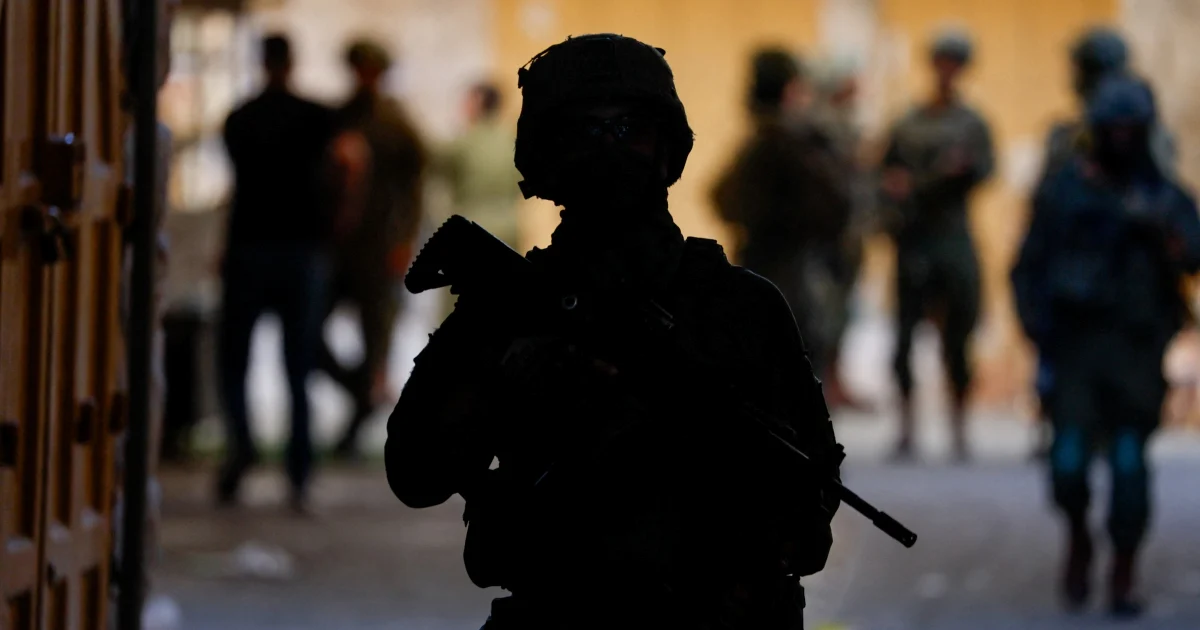
Israeli law enforcement moved swiftly on Saturday to apprehend four suspects accused of vandalising a vehicle occupied by foreign press personnel in the occupied West Bank, according to official police statements. The incident has reignited concerns over press freedom and journalist safety in one of the world's most contentious territories, where international media coverage remains critically important for documenting developments on the ground.
The American broadcaster CNN described the episode as a direct assault by Israeli settlers against its news crew, highlighting the escalating tensions between foreign correspondents and elements within the settler community. Such confrontations have become increasingly common as international journalists attempt to cover ongoing developments in Palestinian territories, where access and security remain persistent challenges for media operations.
The West Bank remains a flashpoint for international scrutiny, hosting hundreds of thousands of Israeli settlers in communities widely considered illegal under international law. The region has witnessed repeated clashes between Palestinian residents and settler groups, often exacerbated by disputes over land use and resource access. Foreign journalists operating in these areas frequently find themselves at the intersection of these conflicts, attempting to maintain editorial independence while navigating complex security environments.
Incidents involving attacks on media personnel operating in occupied territories carry significant implications for press independence and global reporting standards. When journalists face physical interference or intimidation, their ability to deliver credible reporting becomes compromised, affecting how international audiences understand regional developments. The arrest of suspects in this case signals Israeli authorities' acknowledgment of legal responsibility to protect media workers, regardless of editorial perspective.
CNN's characterisation of the incident as an attack underscores growing frustration among international news organisations regarding journalist safety protocols in Palestinian territories. The broadcaster has maintained a substantial presence in the region for decades, and confrontations with settler groups represent a departure from interactions with military or police authorities. The shift suggests deteriorating relationships between certain settler communities and international media outlets.
For Southeast Asian readers and journalists, this incident resonates within broader discussions about press freedom and safety across contested territories. Nations in this region grapple with similar questions about media access during political tensions and territorial disputes. Understanding how international standards are applied—or challenged—in the Middle East provides valuable context for monitoring press freedom trends globally.
Israeli police statements regarding the investigation remain preliminary, with authorities typically releasing additional details as inquiries progress. The four arrests represent an initial phase in what may become a more complex legal process involving witness testimony, forensic evidence, and determinations about individual culpability. The outcome will likely influence future interactions between journalists and settler communities in the territory.
The timing of arrests reflects international attention on press freedoms, particularly following numerous global incidents involving media intimidation and physical obstruction. International news organisations have increasingly documented cases where journalists face barriers to reporting, whether through administrative obstacles, physical threats, or direct violence. Each documented incident contributes to broader assessments of press environment conditions.
Settler communities in the West Bank have historically maintained complicated relationships with international media. Some view journalists as biased toward Palestinian perspectives, while others simply resent external scrutiny of their activities. These perceptions, whether grounded in fact or not, have created a climate where isolated individuals may believe confrontation with foreign press is justified or necessary to counter what they perceive as unfavourable coverage.
The incident also raises questions about how Israeli authorities balance competing interests: protecting citizen rights versus ensuring international journalists can operate safely and independently. Police responses to such incidents are carefully monitored by press freedom advocates and international organisations, serving as indicators of institutional commitment to safeguarding media work.
For CNN and other international broadcasters maintaining correspondents throughout the Middle East, such incidents necessitate revised security protocols and risk assessments. News organisations must weigh the value of field reporting against personnel safety, often making difficult decisions about where crews can operate and under what conditions. These operational decisions directly affect the quality and quantity of international coverage available to global audiences.
The broader context of Israeli-Palestinian relations, including ongoing settlement expansion, land disputes, and security concerns, continues to shape the environment where journalists operate. Each confrontation between media personnel and settlers occurs within this larger framework, reflecting deeper tensions that extend far beyond individual incidents. Understanding these underlying dynamics helps contextualise why journalist safety remains fragile in the territory.
Moving forward, the investigation outcomes and any subsequent legal proceedings will likely influence both settler attitudes toward international press and media organisations' continued commitment to covering developments in Palestinian territories. The balance between access, safety, and editorial independence remains precarious, requiring sustained attention from press freedom advocates, legal authorities, and news organisations themselves.

