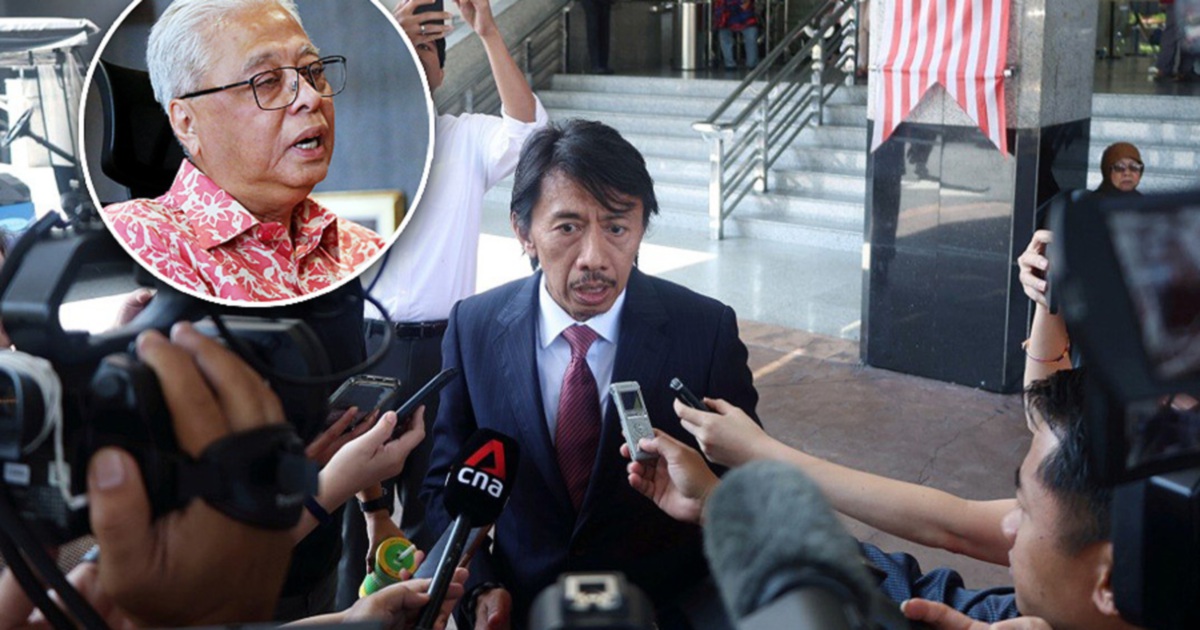
Former Prime Minister Datuk Seri Ismail Sabri Yaakob has signalled his unwavering resolve to vindicate himself legally, even as he navigates a recent health challenge. The prominent Umno politician is preparing to face charges under the Malaysian Anti-Corruption Commission (MACC) Act in the coming weeks, maintaining that he will use the judicial process to prove his innocence and restore his reputation.
Ismail Sabri's determination to proceed with his defence underscores a critical moment for Malaysian politics, particularly within the ruling coalition. His situation reflects the broader scrutiny that senior government figures have faced in recent years as anti-corruption efforts gain momentum. The charges he faces represent part of a wider accountability push that has touched multiple levels of the administration, signalling that no individual—regardless of rank or previous office—remains exempt from investigation.
The former premier's health setback, while unspecified in detail, arrives at a delicate juncture in his legal proceedings. Managing both medical concerns and complex litigation demands considerable stamina and resources. His public stance of persistence sends a message to his political allies and supporters that he views these proceedings as surmountable, and that he intends to exhaust all legal avenues available to him. This resilience may be calculated partly to maintain political influence and restore credibility within Umno circles, where his standing has come into question.
For Malaysian observers, the case illustrates how the country's anti-corruption architecture continues to function independently of political winds. The MACC, despite periodic criticism regarding selective prosecution, has maintained operational authority to investigate and prosecute individuals across the political spectrum. Ismail Sabri's case will likely be scrutinised closely by domestic and international observers monitoring Malaysia's commitment to governance standards. Whether the proceedings demonstrate genuine institutional independence or reflect factional interests remains a question many Malaysians are watching closely.
The timing of charges against a former head of government also carries symbolic weight. It demonstrates that the revolving door between executive power and legal accountability can operate at the highest levels. Ismail Sabri's premiership from August 2021 to August 2022 was itself contentious, having been marked by internal party tensions and governance challenges. The charges now emerging suggest that his period in office—or events connected to his political career more broadly—attracted sufficient concern to warrant formal legal action.
For the Umno party itself, Ismail Sabri's situation presents a complex challenge. As a senior party elder with a substantial personal following, his legal troubles could influence internal party dynamics and factional alignments. Party unity has been fragile in recent years, and high-profile corruption allegations against senior figures can either strengthen or fracture existing coalitions, depending on how loyalists and rivals respond. The party's ability to navigate this situation while maintaining its political viability will be closely observed.
The broader regional context adds another layer of significance. Southeast Asia has seen varied approaches to tackling high-level corruption, from robust prosecutions in some jurisdictions to more selective enforcement in others. Malaysia's approach—combining institutional mechanisms like the MACC with substantial political contingencies—remains distinctive. Ismail Sabri's case will contribute to ongoing assessment of whether Malaysia's anti-corruption infrastructure can deliver justice impartially or whether political calculation ultimately determines outcomes.
Ismail Sabri's public statements regarding his determination to clear his name also reflect strategic communications management. By emphasising his resolve and innocence, he attempts to shape the narrative around his case before trial proceedings begin. This approach is common in high-profile defences, where public perception can influence everything from jury composition to political support networks. His health challenges, by contrast, may generate public sympathy while potentially affecting his ability to actively participate in his defence.
The charges scheduled to be filed this month will formally initiate a legal process that could span years. Malaysian courts have historically taken considerable time to adjudicate complex financial and corruption cases, meaning that Ismail Sabri may face extended uncertainty regarding his legal status. This prolonged process could affect his political rehabilitation and influence within Umno. Whether he emerges vindicated or convicted will carry implications far beyond his personal reputation, potentially influencing how Malaysian politics addresses accountability and whether former high officials face genuine legal consequences.
For ordinary Malaysians, Ismail Sabri's case becomes a test case for institutional credibility. Public confidence in the MACC and judiciary depends partly on whether cases involving prominent figures are pursued with the same rigour as those involving lesser-known individuals. The proceedings ahead will be monitored for signs of professional competence, procedural fairness, and genuine commitment to accountability—qualities that remain essential to public trust in Malaysian institutions. Ismail Sabri's determination to defend himself through legal channels, despite health setbacks, will ultimately be judged by whether the system affords him genuine justice or demonstrates selective application of law.

