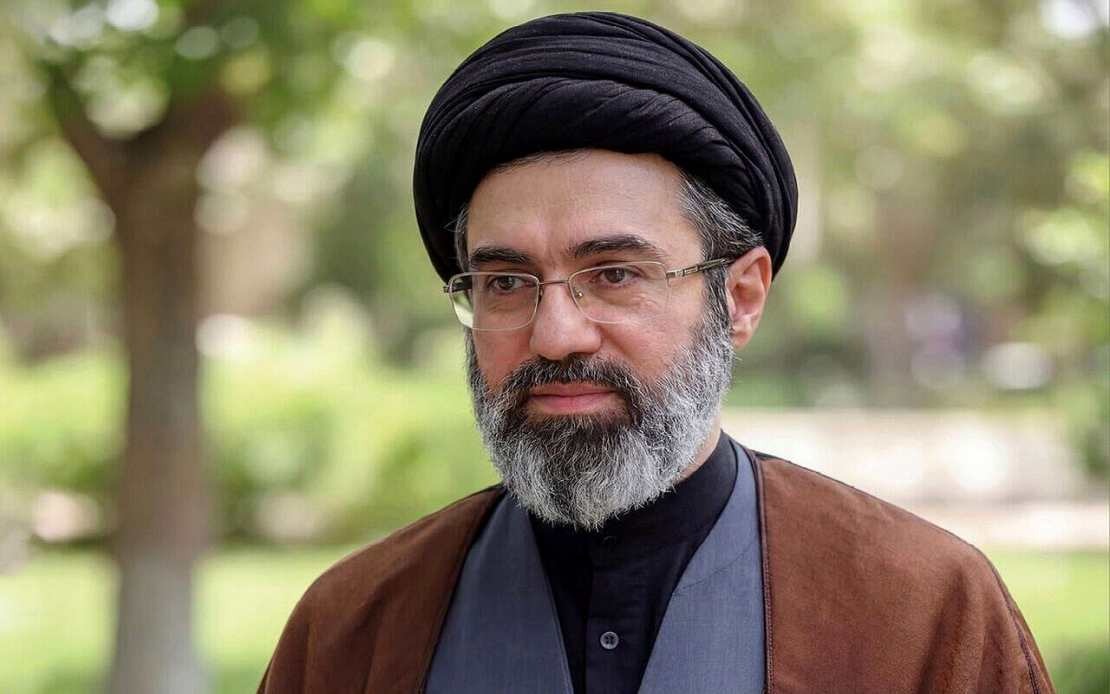
Iranian President Masoud Pezeshkian sought to quell any concerns about the health of the country's Supreme Leader, Mojtaba Khamenei, in remarks made to state television on Monday, declaring that the nation's top political authority is in perfect condition. The statement came during an interview with IRIB TV, where Pezeshkian addressed questions about his recent extended discussions with Khamenei, signalling that governance at the highest levels of the Islamic Republic remains on a stable footing amid persistent regional tensions and economic challenges.
The extended dialogue between president and supreme leader lasted seven hours, according to Iranian media reports, and took place as Pezeshkian entered his third year in office. The length and timing of the meeting underscored the importance of coordinating policy across Iran's dual power structure, where the supreme leader holds ultimate authority over military, judicial, and security institutions while the president heads the government and manages day-to-day administration. Such prolonged sessions between the two executives are not uncommon during transitions or periods of policy review, though they often attract international scrutiny regarding internal stability and decision-making consensus.
Pezeshkian emphasised that the supreme leader stressed the paramount importance of maintaining national unity and solidarity during their discussions, a refrain that has become increasingly prominent in Iranian official rhetoric as the country confronts simultaneous pressures from international sanctions, regional conflicts, and domestic economic difficulties. The emphasis on cohesion at the leadership level reflects broader concerns about public discontent, particularly among younger Iranians grappling with unemployment, inflation, and limited economic opportunities. By publicly reaffirming the supreme leader's commitment to unity, Pezeshkian appeared intent on projecting an image of institutional strength and coordinated governance.
During the meeting, the two officials examined several pressing domestic issues that have ranked high on the government's agenda. According to Pezeshkian, discussions touched on people's livelihood standards, employment generation, and the chronic housing shortage that affects millions of Iranians. These socioeconomic concerns have long been sources of public frustration and remain central to any government's legitimacy in the eyes of ordinary citizens. The fact that such matters occupied a substantial portion of the seven-hour conversation suggests that both the presidency and supreme leader's office recognise the urgency of addressing welfare and opportunity gaps that have widened under the weight of international economic isolation.
The international sanctions regime, which has severely constrained Iran's oil sales, banking access, and access to foreign technology, featured prominently in the dialogue as well. Pezeshkian noted that the two officials discussed the multifaceted problems stemming from these restrictions, which have rippled through every sector of the Iranian economy from manufacturing to healthcare. Managing the economic fallout from sanctions while maintaining political stability represents one of the central challenges facing any Iranian administration, and the priority given to this topic in the supreme leader meeting reflects its significance to national strategy.
The timing and public nature of Pezeshkian's health confirmation warrants close reading by observers of Iranian politics and international relations. Mojtaba Khamenei assumed the position of Supreme Leader following the death of his father, Ali Khamenei, who was killed in joint United States and Israeli military strikes on February 28. The transition occurred rapidly, with the country's Assembly of Experts formally selecting Mojtaba Khamenei in March to succeed his father in this unprecedented succession. This change at the apex of Iranian power occurred against a backdrop of escalating military tensions in the Middle East and represented a significant moment of potential vulnerability or institutional instability.
Since his selection as supreme leader, Mojtaba Khamenei has maintained an extremely limited public profile, notably declining to appear in person at major public events or formal functions. This absence from the public eye has invited considerable international commentary and speculation about his health, legitimacy, and ability to command the vast security and military apparatus that falls under the supreme leader's purview. The reclusive approach contrasts sharply with typical patterns of leadership visibility in other major regional or global powers, where public appearances and direct communication with citizens often serve to reinforce authority and project strength.
Pezeshkian's explicit assurance that the supreme leader is in perfect health can thus be read as a deliberate attempt to address underlying concerns about the new leader's capacity to govern and his physical condition. In the context of Iran's political culture, where the supreme leader occupies an almost quasi-religious position as the guardian of the revolution and the Islamic system, questions about health or fitness can quickly escalate into broader doubts about legitimacy and governance. By obtaining and publicly reporting a positive health confirmation, Pezeshkian has provided reassurance to both domestic audiences and international observers that the transition has not compromised the functioning of Iran's highest authority.
For regional stakeholders and international powers, the stability of Iran's supreme leadership carries profound implications. Any extended absence or perceived weakness at this level could potentially embolden rivals, complicate diplomatic negotiations, or create openings for miscalculation during periods of heightened military tension. The explicit confidence expressed by Pezeshkian therefore serves multiple audiences: it addresses domestic concerns about continuity, signals to international actors that Iran's political system remains functional and coherent, and provides the supreme leader himself with an opportunity to project strength without the risks associated with public appearances.
The broader context of these statements involves Malaysia and other Southeast Asian nations insofar as regional stability, energy markets, and international law all depend on predictable governance in major Middle Eastern powers. Iran's nuclear programme, its role in regional conflicts, and its position in global supply chains all intersect with the wellbeing and stability of Southeast Asian economies. A smooth and confident succession to supreme leader, as Pezeshkian's remarks are designed to suggest, reduces the likelihood of erratic policy shifts or institutional chaos that could spill over into regions far beyond Iran's borders.

