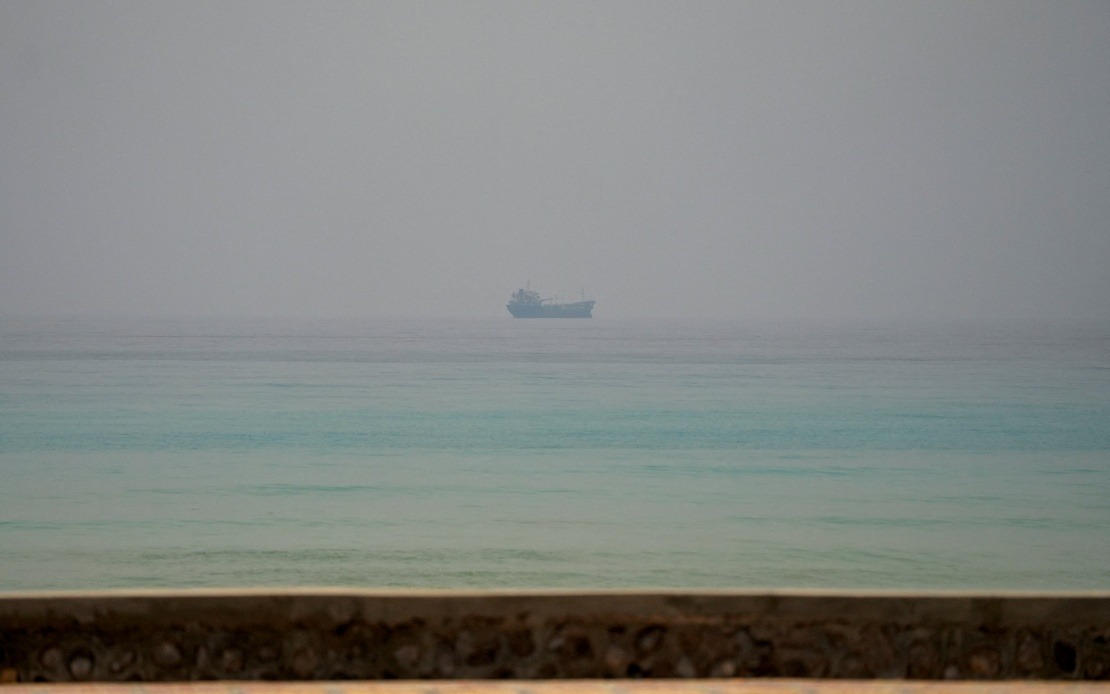
Iranian Parliament Speaker Mohammad Bagher Qalibaf has escalated rhetoric over the Strait of Hormuz dispute, declaring Thursday that the critical waterway will function exclusively under terms determined by Tehran rather than through coercion from Washington. His statement follows a fresh round of American military operations targeting Iranian positions, marking another flashpoint in the increasingly volatile confrontation between the two nations over control of one of the world's most strategically vital maritime corridors.
Qalibaf used the social media platform X to convey Iran's defiant position, asserting that the United States has yet to comprehend the consequences of its approach. His stark warning—that bullying and unilateral actions now carry costs—signals Tehran's determination to resist what it characterises as American hegemonic overreach. The Parliament Speaker's rhetoric underscores how military escalation has hardened positions on both sides, with each action prompting increasingly confrontational responses that risk further destabilising the region.
The Iranian official's comments arrived in response to reports of new American military strikes launched late Wednesday targeting multiple installations across southern and southeastern Iran. These operations represent part of a broader campaign aimed at limiting Iran's capacity to disrupt maritime traffic through the Strait of Hormuz, a waterway through which roughly one-fifth of global oil passes daily. For Malaysia and other Southeast Asian nations dependent on energy imports, any disruption to Hormuz shipping could have immediate economic consequences, making developments in this Persian Gulf dispute directly relevant to regional prosperity.
The United States Central Command subsequently confirmed that American forces had conducted additional strikes specifically designed to further degrade Iran's capacity to threaten freedom of navigation in the strait. This stated objective reflects Washington's broader strategy of preventing Iranian capabilities from constraining international shipping and maintaining the economic flows upon which global commerce depends. However, the effectiveness and sustainability of this approach remain contested, particularly as Qalibaf's response demonstrates Tehran's unwillingness to accept American military pressure as a solution.
The dispute over Hormuz control reflects deeper tensions between Tehran and Washington regarding regional influence and the future of Iran's military capabilities. The strait has historically served as a flashpoint during previous crises, with threats of closure generating significant global concern about energy security and economic stability. Qalibaf's assertion that operations would proceed only under Iranian arrangements suggests potential efforts by Tehran to establish conditions whereby it could leverage its geographical position for political or economic advantage, a tactic that has periodically emerged during Iran-US confrontations.
For Southeast Asian observers, the escalating rhetoric and military activity carry profound implications beyond immediate strategic concerns. The region's growth increasingly depends on stable global energy markets and uninterrupted shipping routes; any prolonged disruption to Hormuz traffic would raise fuel costs and create supply uncertainties that could constrain economic expansion across the ASEAN region. Malaysia, as a significant energy consumer and trading hub, faces particular vulnerability to any sustained interruption of energy supplies or maritime passage through key chokepoints.
The pattern of tit-for-tat military operations suggests that de-escalation mechanisms currently carry limited influence. Each American strike triggers Iranian counter-rhetoric and demonstrations of resolve, while Tehran's assertions of control prompt American declarations of intent to maintain freedom of navigation. This cycle creates risk of miscalculation, particularly given the potential for technical incidents or unexpected escalatory steps that could transform regional tension into broader conflict affecting international stability.
Qalibaf's personal political positioning within Iran's complicated power structure adds another layer to the dispute. As a senior parliamentarian with influence over defence and security matters, his statements reflect broader consensus among Iran's leadership regarding resistance to external pressure, yet they may also represent positioning within internal Iranian debates about optimal strategy. His uncompromising tone suggests that any Iranian government negotiating with the United States would face significant domestic opposition to agreements perceived as capitulation.
The intersection of military operations, political rhetoric, and maritime security transforms this dispute into a multifaceted challenge affecting global stability. For Malaysian policymakers and business leaders, monitoring developments in the Iran-US relationship and Hormuz shipping patterns represents a necessary element of economic risk management. Any escalation could drive energy price spikes affecting manufacturing competitiveness and consumer costs, while sustained tension creates supply-chain uncertainties that complicate long-term planning for Malaysia's traded-goods sector.

