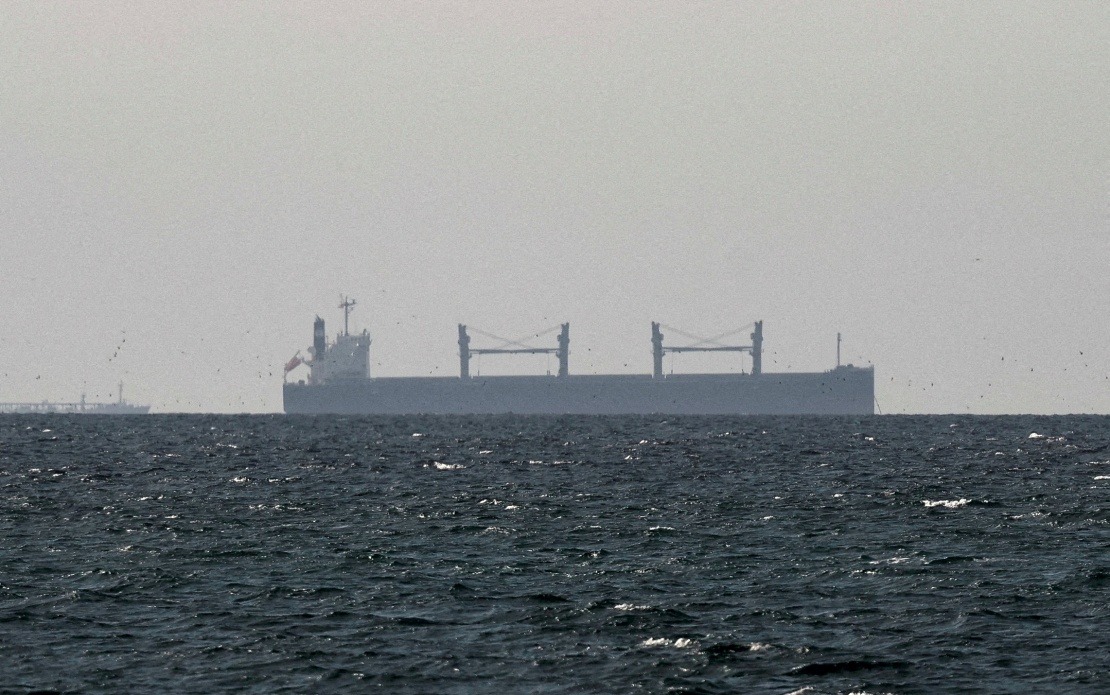
Iran's Islamic Revolutionary Guard Corps announced Friday that two oil tankers had exploded and caught fire after encountering mines in the southern Strait of Hormuz, according to statements issued through the state news agency Fars News Agency. The IRGC Navy alleged that American intelligence officials had prompted the vessels to traverse the waterway earlier that day, though the military provided no verifiable evidence to substantiate this accusation. The identities of the tankers, their ownership, the nationality of their flags, and details regarding any casualties remained undisclosed by Iranian authorities, and independent verification of the incident could not be immediately obtained.
The incident represents yet another flashpoint in the strategically vital passage connecting the Persian Gulf to the Gulf of Oman and Arabian Sea. This narrow waterway handles roughly one-third of all seaborne traded oil and significant liquefied natural gas shipments, making its security essential to global energy markets and economic stability. Any disruption to traffic through the strait carries immediate implications for petroleum prices and supply chains extending far beyond the Middle East, affecting economies across Asia, Europe, and beyond.
Iranian military officials characterised the Strait of Hormuz as remaining in an "extremely unsafe" condition and "completely closed" to maritime traffic. The IRGC issued formal warnings to commercial shipping operators, advising vessels to steer clear of the region due to risks of vessel damage and loss of life. According to the military's position, the waterway would remain inaccessible to regional oil, gas, and chemical fertiliser exports until American military operations in the area ceased entirely, effectively leveraging control of the strait as a bargaining chip in ongoing geopolitical tensions.
The timing of this claim comes amid a broader pattern of escalatory rhetoric and alleged military incidents between Washington and Tehran. Despite a Pakistan-brokered memorandum of understanding signed the previous month that was intended to establish a framework for ending hostilities and achieving a durable peace settlement, the two nations have continued exchanging accusations of provocative actions. This cycle of claims and counterclaims suggests that diplomatic agreements remain fragile, with both sides maintaining hostile postures despite stated commitments to de-escalation.
For Malaysia and other Southeast Asian nations heavily dependent on stable energy supplies and secure maritime trade, the situation in the Strait of Hormuz presents genuine strategic concerns. Many ASEAN member states rely significantly on oil imports from the Middle East and Africa, with the strait representing an irreplaceable conduit for these essential supplies. Any sustained closure or increased danger within the waterway would inevitably drive up energy costs across the region, potentially dampening economic growth and increasing inflationary pressures that affect households and businesses throughout Southeast Asia.
The lack of independent confirmation of the Iranian military's claims adds another layer of complexity to assessing the situation. Without corroboration from maritime authorities, shipping companies, or international observers, distinguishing between legitimate security incidents and strategic exaggeration becomes difficult. This information vacuum creates uncertainty for the international shipping community, which must weigh the credibility of Iranian warnings against the commercial imperatives of continuing profitable trade routes, leading to difficult risk-assessment decisions.
The broader regional context reveals deepening instability in the Middle East, where multiple actors maintain conflicting interests and capabilities. The presence of American military assets in the Persian Gulf, combined with Iranian naval forces and various non-state actors operating in the region, creates an environment where minor incidents can rapidly escalate into major conflicts. Maritime chokepoints like the Strait of Hormuz become particularly vulnerable to such dynamics, as the concentration of high-value shipping provides both motivation and opportunity for various parties to assert control or demonstrate strength.
For international oil markets, the psychological impact of such incidents often matters as much as physical damage. Traders and petroleum futures markets respond to disruption risks and geopolitical tensions with price adjustments that reflect heightened uncertainty premiums. Even unconfirmed reports of mine-related incidents can trigger market volatility, affecting the profitability of energy companies and the cost of fuel for consumers worldwide. Malaysia's position as a regional energy producer and consumer means these price movements directly influence its economic performance and fiscal health.
The strategic dimension of controlling or restricting access through the Strait of Hormuz extends beyond immediate military considerations into broader power politics. Iran has historically used threats against shipping as a tool to pressure international powers and demonstrate its capacity to disrupt global commerce if its interests are threatened. Such posturing serves multiple domestic and international audiences simultaneously, signalling resolve to Iranian constituencies while attempting to raise the costs of confrontation for external powers. This calculated use of economic leverage through maritime coercion represents a recurring pattern in Iranian strategic doctrine.
Moving forward, the situation demands careful monitoring by maritime authorities and international organisations responsible for freedom of navigation. The international shipping community requires clear, reliable information about genuine threats to chart safe courses and maintain commercial operations. Regional stability ultimately depends on restraint from all parties, sustained diplomatic engagement, and international mechanisms that can verify claims and prevent misunderstandings from triggering unintended escalation. Without these elements, the Strait of Hormuz will likely remain a focal point for tension with significant consequences for energy security and economic stability extending throughout Asia and beyond.

