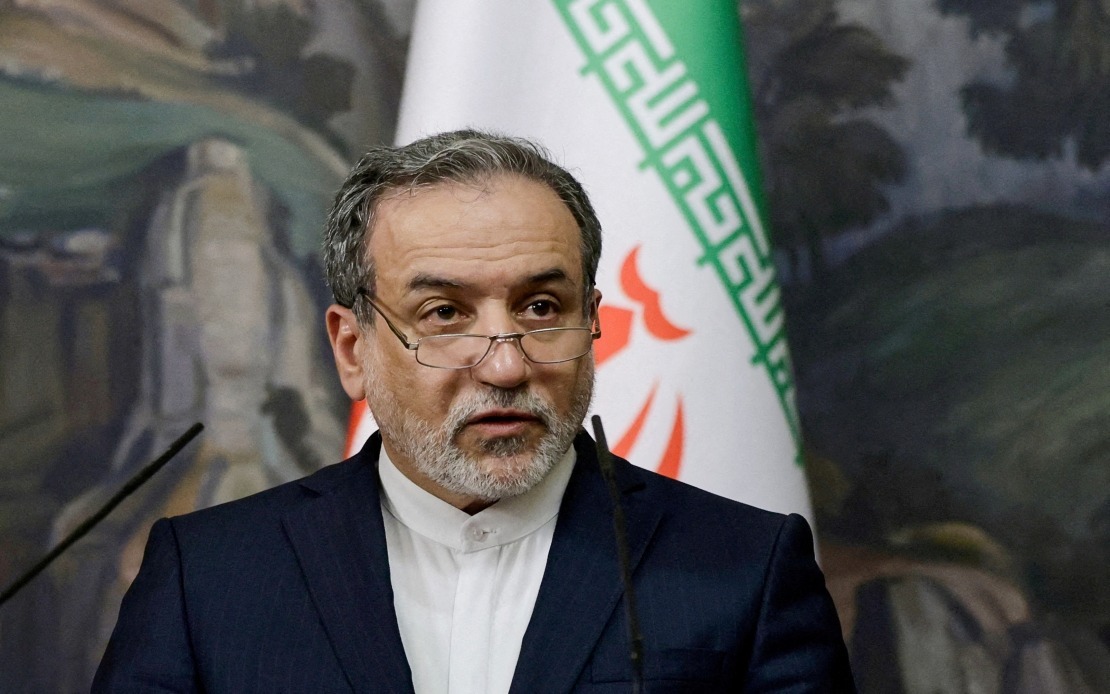
Iran remains undecided about whether to reopen indirect negotiations with the United States, according to statements made by Foreign Minister Abbas Araghchi in Istanbul. The clarification comes amid international speculation about the status of diplomatic efforts between Tehran and Washington, with various parties attempting to interpret recent communication channels as signals of imminent talks resumption.
Araghchi took the opportunity to correct what he characterised as misunderstandings about the nature and timeline of the Islamabad memorandum, the peace framework brokered by Pakistan in June. International observers and some media outlets had suggested that a 60-day period mentioned in the agreement constituted a formal ceasefire window that would require extension or renewal. The Iranian foreign minister disputed this interpretation entirely, drawing a fundamental distinction between the framework's actual provisions and how they had been publicly understood. According to his account, the memorandum was designed to end active hostilities outright rather than establish a temporary cessation of fighting pending further negotiations.
The distinction matters considerably for understanding how Iran views its current position and obligations. If the Islamabad memorandum represented an end to conflict rather than a temporary pause, then Iran would argue it bears no responsibility for the resumption of tensions that has subsequently occurred. Araghchi attributed the breakdown to American violations of the agreement's terms, suggesting that Washington's actions freed Tehran from any commitment to maintain the initial framework. This framing allows Iran to position itself as the aggrieved party responding to external violations rather than as an actor choosing to abandon negotiation commitments.
Araghchi's comments reveal the complex semantics at play in Middle Eastern diplomacy, where precise language carries significant political weight. The 60-day window referenced in the memorandum, in Iran's interpretation, was meant exclusively as a negotiating period during which both sides could work toward a comprehensive settlement. The purpose was not to freeze the situation temporarily but to create space for finalising a permanent resolution. When that window closed without a deal, no automatic mechanism for extension or renewal was triggered, according to Tehran's understanding of the agreement.
Regarding the current state of contact between the parties, Araghchi acknowledged that both Qatar and Pakistan continue to serve as intermediaries and maintain active communication channels with Iran. However, he was careful to distinguish between these administrative exchanges and actual diplomatic negotiations. The existence of mediation channels does not indicate that formal talks are underway or imminent. This distinction appears designed to manage international expectations while keeping diplomatic doors nominally open without committing to substantive engagement.
The foreign minister's comments reflect Iran's strategy of maintaining strategic ambiguity about its willingness to return to negotiations. By neither closing the door entirely nor committing to resumption, Tehran preserves flexibility while signalling that any return to talks would require significant changes in circumstances or American conduct. This positioning allows Iran to avoid being perceived as inflexible while simultaneously holding Washington responsible for any diplomatic impasse.
Parallel to discussions about US relations, Iran is engaged in separate technical negotiations with Oman focused on maritime commerce through the Strait of Hormuz. Araghchi emphasised that these discussions operate independently from any potential US negotiations and address practical shipping logistics rather than broader political questions. The talks aim to establish revised shipping routes to replace corridors that the Iranian government considers no longer viable or suitable for current circumstances. Both nations' technical experts and Iran's military forces are actively involved in designing what officials describe as an initially temporary pathway that could eventually become a permanent arrangement.
The Oman negotiations highlight an important aspect of Iranian strategy: developing pragmatic solutions to regional infrastructure and commerce challenges regardless of the broader diplomatic standoff with the United States. By framing these discussions as technical rather than political, Iran positions them as separate from the higher-stakes question of whether to resume US negotiations. This compartmentalisation allows Iran to demonstrate continued engagement with regional partners while maintaining a tough stance toward Washington.
Araghchi was equally emphatic in clarifying that technical agreements about maritime routes should not be confused with broader questions about reopening the Strait of Hormuz or normalising shipping through one of the world's most strategic waterways. He indicated that Iran's willingness to fully restore normal passage through the strait remains contingent on separate conditions that the United States would need to satisfy. This statement underscores that practical cooperation on specific issues does not necessarily translate into broader diplomatic normalisation or Iranian concessions on security matters.
For regional observers including Malaysia and Southeast Asian nations dependent on stable Middle Eastern maritime trade, the distinction carries practical implications. The Strait of Hormuz handles roughly one-third of all globally traded seaborne oil, making its operational stability crucial for Asian energy security and economic growth. If Iran and Oman establish functional shipping arrangements independent of broader US relations, regional commerce could continue even amid ongoing Iranian-American tensions, providing some stability to international energy markets and supply chains.
The Iranian position also reflects calculations about leverage in negotiations with Washington. By maintaining communication channels through intermediaries while declining to commit to formal talks, Tehran preserves negotiating strength. Resuming direct talks without major concessions from the American side could be portrayed domestically as weakness, while maintaining public ambiguity allows for eventual movement without appearing to capitulate.
Araghchi's statements suggest that Iran's decision-making on US negotiations remains genuinely undecided rather than predetermined. The foreign ministry has not closed diplomatic options but remains evaluating whether conditions justify a return to talks. Any future Iranian move toward negotiations would likely require demonstrated changes in American policy or significant international pressure, neither of which has materialised at the time of his statements.
The broader international context shapes these deliberations. For Malaysia and other Southeast Asian countries, the continuation of Iranian-American tensions introduces uncertainty into regional security calculations and energy markets. A full diplomatic resolution could ease pressures on global oil supplies and reduce risks of regional escalation, while persistent impasse threatens ongoing volatility. The Malaysian government and regional observers remain attentive to any signals suggesting movement toward or away from negotiations.

