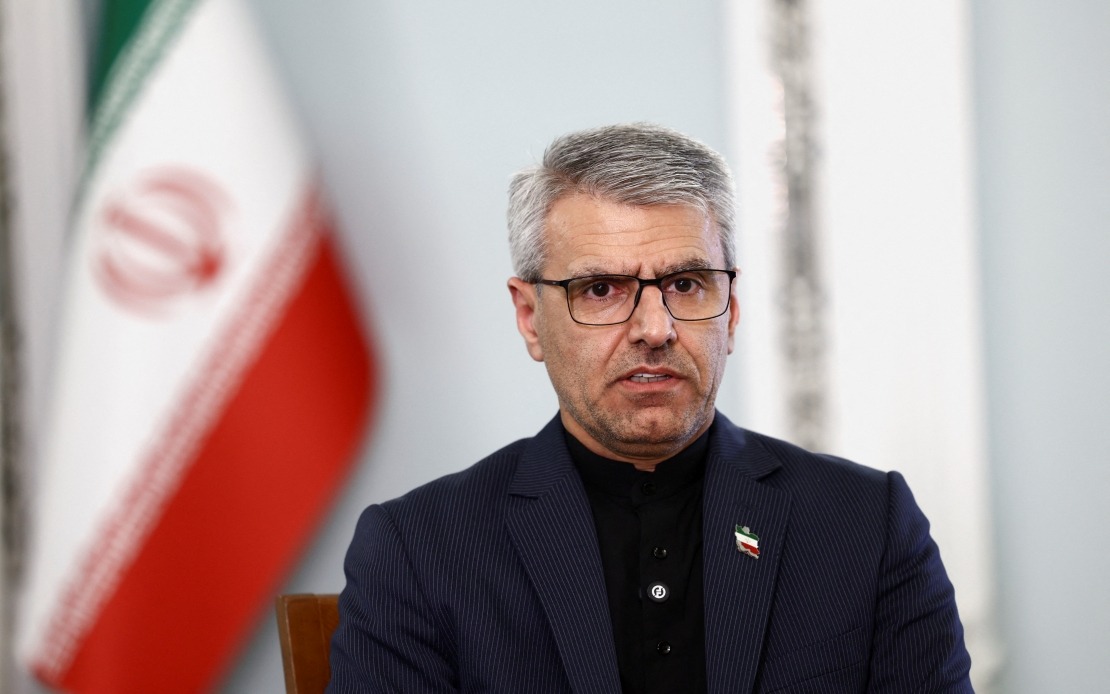
Iran has signalled meaningful advancement in its diplomatic push to reach a comprehensive final agreement with the United States following intensive multilateral talks held in Burgenstock, Switzerland. Foreign Ministry spokesman Esmaeil Baghaei outlined the results of the four-party negotiations, emphasizing that the discussions had yielded what Tehran views as consequential groundwork for launching formal negotiations on a permanent settlement. The Iranian position, conveyed through state news agency IRNA, reflected cautious optimism about the trajectory of talks, though Baghaei pointedly expressed hopes that Washington would demonstrate genuine commitment during implementation phases ahead.
Among the most significant outcomes detailed by the Iranian delegation was the establishment of a new monitoring framework specifically designed to manage ongoing ceasefire arrangements and prevent escalations in hostile activities, particularly across Lebanon's volatile border regions. This "deconfliction cell," which would involve participation from mediating nations, represents an attempt to create structured mechanisms for preventing miscalculation and accidental conflict expansion. The mechanism addresses longstanding concerns from both sides about maintaining stability in one of the Middle East's most sensitive geopolitical zones, where multiple armed actors operate with varying degrees of state backing.
Beyond security arrangements, the Iranian side indicated that substantive progress had been achieved on economic matters that have long complicated bilateral relations. Specifically, Baghaei highlighted discussions concerning the removal of restrictions on Iran's oil export capabilities and the unlocking of frozen or restricted assets held internationally. These financial and commercial issues strike at the heart of Tehran's grievances regarding international sanctions regimes, and any meaningful agreement would necessarily require movement on these fronts. The fact that mediators acknowledged progress on these traditionally contentious points suggests negotiators may have identified potential pathways through which both sides could achieve their core objectives.
The talks also addressed maritime security concerns throughout the strategically vital Strait of Hormuz, through which approximately one-third of globally traded seaborne petroleum transits annually. The negotiating parties indicated agreement in principle on establishing a fresh mechanism dedicated to ensuring safe passage for commercial shipping through these waters, a development carrying significant implications for global energy markets and regional stability. Given the strait's economic importance to Asian economies, including Malaysia, any arrangement that reduces the risk of shipping disruptions carries particular relevance for Southeast Asian trade flows and energy security.
The Iranian Foreign Ministry emphasized that technical working groups would continue their substantive engagement on the array of issues discussed, signalling that the Burgenstock meeting represented a staging point rather than a conclusion. This phased approach reflects the complexity inherent in crafting agreements that address security architecture, economic sanctions relief, nuclear programme monitoring, and maritime safety simultaneously. The commitment to ongoing technical discussions suggests both parties recognize that translating political agreements into operational arrangements requires detailed specification and careful verification protocols.
Mediating states Qatar and Pakistan released a joint statement highlighting what they characterized as substantial progress achieved during what they identified as the inaugural round of senior-level engagement. The mediators announced that both sides had endorsed a roadmap establishing a 60-day timeline for achieving a final peace settlement. This compressed timeline underscores pressure from international stakeholders to move negotiations beyond preliminary discussions toward binding arrangements. The mediation effort occurred in the context of a memorandum of understanding signed recently, which the mediators indicated was intended to terminate military hostilities that commenced on February 28.
For regional observers, particularly in Southeast Asia, the negotiations' outcomes carry several layers of significance. Iran's engagement in structured diplomatic dialogue reduces the likelihood of sudden escalations that could disrupt global energy markets and maritime commerce. The emphasis on maritime security mechanisms in the Strait of Hormuz has direct bearing on shipping costs and insurance premiums affecting regional trade relationships. Additionally, any reduction in Middle Eastern tensions generally supports the regional economic environment in which Southeast Asian nations conduct their international business.
The Iranian side's emphasis on witnessing "seriousness" from Washington reflects deep historical skepticism rooted in previous experiences with international agreements. This conditional optimism suggests that while tactical progress has materialized at the negotiating table, significant trust deficits remain. The establishment of technical teams and monitoring mechanisms reflects an attempt to address these confidence gaps through institutional structures designed to enhance transparency and reduce opportunities for either side to claim the other is violating understandings.
The Lake Lucerne Summit proceedings represent the latest chapter in a prolonged diplomatic engagement aimed at fundamentally restructuring US-Iran relations. The involvement of Qatar and Pakistan as mediators reflects the broader international investment in achieving regional stability, given the global ramifications of US-Iran tension. For Malaysia and other ASEAN nations maintaining commercial relationships with both Washington and Tehran, the outcome of these negotiations carries material implications for the predictability of their own external relations and the stability of crucial sea lanes.
The pathway outlined through these discussions contemplates a compressed negotiating calendar, but successful conclusion remains contingent on whether both sides can translate the preliminary agreements reached in Switzerland into durable institutional mechanisms and comprehensive final arrangements. The establishment of deconfliction cells, maritime security frameworks, and technical working groups suggests negotiators are moving beyond rhetorical positions toward concrete operational structures. Whether these developing institutions can survive the inevitable pressures and disputes that arise during implementation remains the central question determining whether this diplomatic initiative ultimately succeeds in achieving sustainable US-Iran engagement.