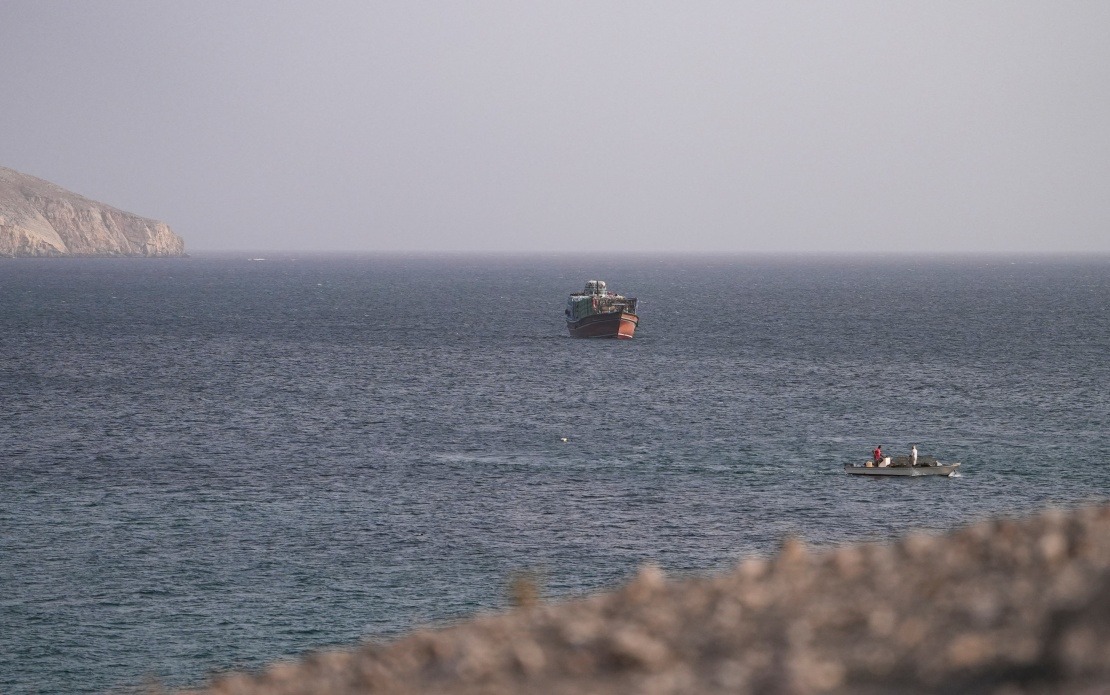
Iran and Oman are moving toward finalising a significant agreement on commercial shipping arrangements through the Strait of Hormuz, according to Iranian Deputy Foreign Minister Kazem Gharibabadi, who outlined the developing understanding during remarks this week. The accord represents a pivotal shift in how vessels traverse one of the world's most critical maritime passages, with implications that extend far beyond bilateral relations between the two Gulf neighbours.
The proposed framework departs substantially from shipping practices established over the preceding six decades. Rather than maintaining the traditional routing patterns that have governed transit through these waters, the new arrangement channels a considerable volume of commercial traffic through Iranian territorial waters. This geographical reorientation carries significant strategic weight, as it effectively positions Iran as a more prominent stakeholder in managing the flow of merchandise through a waterway that remains vital to global energy security and international commerce.
Gharibabadi emphasized that this understanding should not be mischaracterised as a wholesale reopening of the Strait of Hormuz. The distinction matters considerably, as it suggests Iran is not abandoning its underlying leverage or strategic interests in the waterway. Instead, the arrangement constitutes what Tehran frames as an alternative model—one that acknowledges Iran's geographical position and maritime rights while establishing new protocols for the passage of commercial shipping. This nuanced positioning allows Iran to claim operational influence without appearing to capitulate to external pressure.
The question of transit fees represents another crucial dimension of the emerging accord. Gharibabadi indicated that whether Iran would impose charges on vessels utilising these new routes hinges on decisions by the country's supreme leadership and, notably, on the behaviour and policy choices of the United States. This formulation effectively links Iran's implementation of specific provisions to American conduct, creating a conditional framework that preserves Tehran's flexibility while signalling that concessions might be possible if Washington alters its posture.
The timing of these developments coincides with apparent momentum in broader negotiations between Iran and the United States. Gharibabadi disclosed that Tehran has received communications from Washington indicating American willingness to "return to its commitments," though he refrained from elaborating on which specific obligations formed the subject of these messages or clarifying the channels through which they were transmitted. This oblique reference suggests ongoing back-channel diplomacy even amid the absence of formal negotiations.
For Malaysia and other Southeast Asian maritime trading nations, these unfolding arrangements carry material consequences. The Strait of Hormuz remains central to regional energy supplies and commercial logistics, with vessels regularly transiting between Asian markets and Middle Eastern producers. Any restructuring of shipping protocols or introduction of new fees could ripple across supply chains and shipping costs throughout Asia, potentially affecting fuel prices, import duties, and logistics planning across the region. Malaysian ports and shipping companies maintain substantial involvement in this corridor, making developments here directly relevant to the nation's economic interests.
The Oman-Iran accord also reflects broader regional recalibration in the Gulf. Oman has long positioned itself as a neutral intermediary, maintaining diplomatic relations across regional divides and facilitating quiet channels of communication between adversaries. This new shipping arrangement represents another expression of Oman's pragmatic approach to regional stability, demonstrating how smaller Gulf states can play outsized roles in managing tensions and establishing practical accommodations among larger powers. The agreement signals that progress on contentious issues remains possible through patient negotiation and creative institutional design.
From an international law perspective, the arrangement likely navigates carefully through established principles governing maritime passage and innocent transit. The introduction of new routes through Iranian territorial waters raises questions about consistency with international conventions, though the bilateral nature of the Oman-Iran agreement may provide sufficient legal foundation for implementation. The potential imposition of transit fees would require careful calibration to avoid accusations of violating international maritime norms, particularly given the Strait's designation as a critical chokepoint for global commerce.
The broader geopolitical context matters considerably here. Rising tensions between Iran and Western powers, fluctuating oil markets, and evolving security arrangements across the Gulf have created unpredictability in one of the world's most strategically important maritime zones. Any measures that establish clearer frameworks and reduce the scope for miscalculation potentially enhance stability, even if they simultaneously acknowledge Iran's expanded operational role. The agreement thus represents not merely a commercial arrangement but a confidence-building measure with implications for regional security architecture.
Gharibabadi's comments also reveal tactical positioning ahead of potential negotiations with the United States. By emphasising that Iranian decisions remain contingent on American behaviour, Tehran preserves negotiating leverage while suggesting flexibility. This approach allows Iran to present itself as reasonable and willing to accommodate legitimate commercial interests while maintaining that genuine progress requires reciprocal American movement. The framing suggests that higher-level discussions may be imminent, though the specific timeline and scope remain uncertain.
The coming weeks will likely prove consequential for determining whether the Iran-Oman shipping accord proceeds as contemplated and whether broader negotiations between Tehran and Washington gain traction. Malaysian policymakers and business leaders should monitor these developments carefully, given the direct bearing on shipping costs, energy prices, and regional stability. Any arrangement that enhances predictability in the Strait of Hormuz ultimately benefits the broader international maritime community, though the specific terms will determine whether equitable accommodation or asymmetric advantage results.

