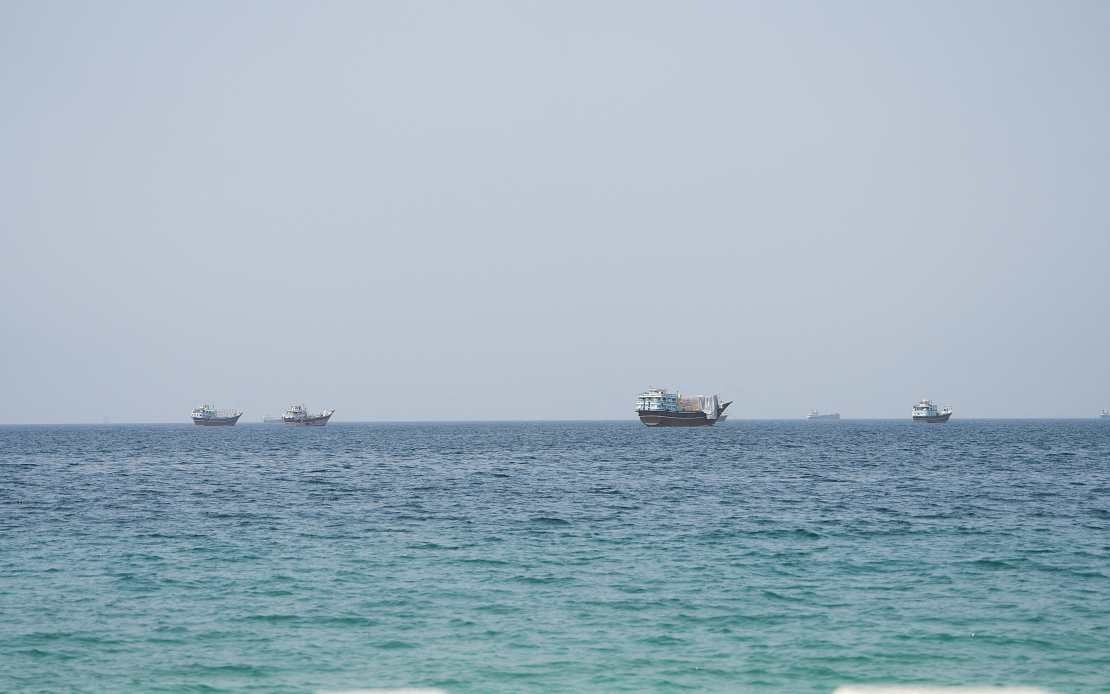
Iran's Foreign Ministry spokesman Esmaeil Baqaei said on Monday that talks with Oman regarding navigation through the Strait of Hormuz are advancing constructively, signalling potential progress on one of the region's most critical maritime challenges. Speaking at a weekly briefing in Istanbul, Baqaei indicated that the two nations have already established consensus on shipping traffic routes, with negotiations continuing to resolve outstanding technical details needed for a formal joint statement. The development comes amid broader regional tensions over maritime security and freedom of navigation in waters that handle approximately one-third of the world's seaborne petroleum trade.
The Iranian official outlined that the bilateral discussions between Tehran and Muscat centre on establishing practical frameworks to guarantee the safe passage of vessels through the strategic waterway. Beyond mere routing considerations, the talks encompass mechanisms designed to protect the marine environment and combat maritime criminal activities that have increasingly plagued the region. Baqaei emphasised that associated costs and charges for maritime services to shipping would form part of the agreement, suggesting a comprehensive approach to managing traffic flow and funding maintenance operations. For Southeast Asian nations with significant shipping interests—particularly Malaysia, Singapore, and Indonesia whose vessels regularly transit the Strait—any agreement improving predictability and reducing risks carries considerable economic significance.
The Iranian leadership framed the Oman negotiations as purely technical and bilateral in nature, explicitly disconnecting them from broader geopolitical disputes. Baqaei stated that the fundamental objective driving these talks is securing a durable understanding capable of delivering complete security throughout the Strait. This framing appears designed to insulate the process from accusations that Iran is attempting to leverage its geographical position for political advantage or to extract concessions from Western nations. The distinction matters substantially for regional stability, as portraying the agreement as a functional maritime arrangement rather than a political negotiation could facilitate broader international acceptance.
However, Baqaei simultaneously reasserted Iran's hardline stance regarding the United States, declaring that the Strait will not reopen to unrestricted commercial shipping unless Washington terminates its naval blockade of Iranian ports and meets other Iranian demands. This apparent contradiction—claiming the talks are depoliticised while conditioning outcomes on American policy shifts—underscores the complexity of the situation. The statement suggests Iran views the Oman channel as one track within a broader negotiation framework that extends well beyond bilateral maritime management. The implicit messaging to Washington is that any comprehensive resolution requires American concessions, even if the immediate discussions with Muscat maintain a technical veneer.
The context surrounding these discussions reveals the fragility of previous diplomatic efforts. In June, Iran and the United States brokered a memorandum of understanding through mediation by Pakistan and Qatar, which formally ended active military hostilities and initiated negotiations toward a more expansive accord. That agreement contemplated phased restoration of commercial navigation through the waterway, signalling cautious optimism for normalisation. Yet implementation proved disappointing, as both parties subsequently accused each other of breaching the memorandum's terms, causing the process to stall and highlighting the deep mistrust characterising their relationship.
For Malaysia and other Southeast Asian trading nations, the implications of this stalemate extend beyond symbolic concerns about diplomatic progress. Disruptions to Hormuz navigation directly impact regional supply chains, shipping insurance costs, and fuel prices. Extended periods of uncertainty surrounding the Strait's status create additional overhead for Malaysian exporters and importers who must factor shipping route unpredictability into logistics planning. The Oman talks represent a potential pathway toward reducing such friction, though the talks' emphasis on bilateral arrangements with Muscat rather than multilateral or international frameworks raises questions about their durability and acceptability to all stakeholders.
Oman's role as intermediary deserves particular attention, given the sultanate's historical positioning as a neutral actor in regional conflicts and its diplomatic relationships spanning both Western and Iranian spheres. Muscat's willingness to facilitate these negotiations reflects its economic interest in restoring normalcy to a waterway upon which its own maritime trade depends. The sultanate's success in brokering agreement on shipping maps suggests that practical, non-ideological discussions focused on concrete maritime management challenges can achieve measurable progress where larger political questions remain intractable. This model may offer insights for addressing other regional disputes where functional cooperation could precede political reconciliation.
Baqaei's reference to Iran's delegation to September's United Nations General Assembly appears somewhat tangential but signals preparatory activities for high-level diplomatic engagement. The decision on representation levels and composition remains pending, suggesting flexibility in Iran's approach to upcoming international forums. Whether Iran chooses to send a senior delegation capable of substantive negotiations or a more limited team could signal its commitment levels to various diplomatic tracks. The timing of this announcement alongside Hormuz developments implies these processes are loosely coordinated within Tehran's diplomatic strategy.
Looking forward, the trajectory of Oman talks will substantially influence prospects for broader maritime stability in the Gulf region. If current discussions successfully produce a detailed joint statement establishing clear protocols for navigation, cost-sharing, and maritime security cooperation, the framework could demonstrate that Iran is capable of responsible maritime stewardship and stakeholder collaboration. Such a demonstration might facilitate discussions with additional partners or international bodies. Conversely, if negotiations falter or produce agreements that other regional actors or international shipping communities regard as inadequate, confidence in Iran's commitment to transparent maritime governance could further erode, potentially prompting alternative arrangements or increased naval presence from other powers concerned with freedom of navigation.
For Malaysian policymakers observing these developments, the Oman initiative illustrates both opportunities and uncertainties. The discussions offer potential relief from ongoing Hormuz tensions that constrain regional commerce and complicate energy security planning. Yet the conditional nature of Iran's commitments—linking maritime arrangements to American policy concessions—suggests that full resolution remains contingent on breakthrough in the broader Iran-US diplomatic relationship. Malaysia's continued advocacy for inclusive, rules-based maritime security frameworks through ASEAN channels and international forums becomes increasingly relevant as Gulf tensions ripple across Asian shipping lanes.

