Iran and Oman have pledged to maintain diplomatic engagement on the situation surrounding the Strait of Hormuz, one of the world's most strategically vital maritime chokepoints through which approximately one-third of global seaborne oil passes annually. The commitment emerged following a weekend visit to Muscat by Iranian Foreign Minister Abbas Araghchi, during which the two countries reaffirmed their intention to collaborate on resolving tensions threatening regional stability and international commerce.
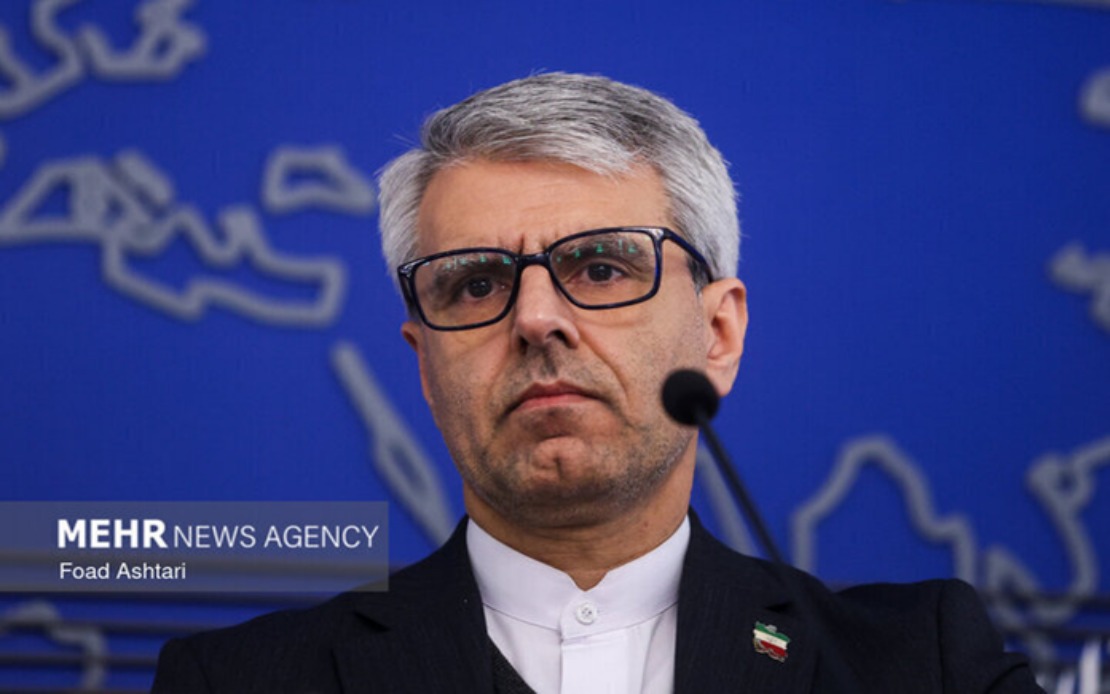
Iranian Foreign Ministry spokesman Esmaeil Baghaei outlined the framework for sustained engagement, explaining that consultations would proceed across political, legal, and technical dimensions. This multi-layered approach reflects recognition that maritime security in the Persian Gulf requires coordination beyond diplomatic channels, necessitating specialists capable of addressing navigational protocols, international maritime law, and operational safeguards. The breadth of proposed discussions signals both nations' understanding that durable solutions demand comprehensive problem-solving rather than symbolic gestures.
The diplomatic initiative gains urgency against a backdrop of escalating regional tensions. The Islamic Revolutionary Guard Corps has previously declared the waterway's closure contingent upon cessation of external interference, issuing declarations that no vessels would be permitted transit. Such proclamations have periodically rattled global energy markets and prompted concerns among shipping companies operating in the region. For nations like Malaysia that depend significantly on reliable energy supplies and whose trading vessels navigate these waters, the stakes remain considerable.
Araghchi's journey to Oman reflects strategic calculation regarding which regional actors possess credibility to facilitate dialogue. Oman has historically maintained pragmatic relationships across the region's ideological divides, positioning itself as a trusted interlocutor capable of translating concerns between competing powers. This diplomatic role has earned Muscat recognition as an essential mediating presence during previous episodes of heightened Gulf tensions, including earlier nuclear negotiations between Iran and international partners.
The framework proposed by Iranian officials emphasizes that future Strait management should emerge from direct consultations between Tehran and Muscat, informed by developments over preceding months and accounting for military operations undertaken by the United States and Israel against Iranian targets. This language reflects Iran's insistence that regional security architecture must accommodate its legitimate grievances whilst preserving international maritime freedoms. The approach suggests Iranian negotiators seek arrangements acknowledging their security concerns without accepting permanent restrictions on their naval activities or strategic autonomy.
Qatar's participation in these discussions underscores the interconnected nature of Gulf diplomacy and broader Iran-United States relations. As a nation maintaining channels with both Washington and Tehran, Doha has proven instrumental in facilitating communication during periods when direct bilateral engagement proves impossible. The inclusion of Qatari representatives indicates these consultations extend beyond bilateral Irani-Omani concerns, encompassing broader efforts to manage regional flashpoints affecting multiple stakeholders. For Malaysia and other trading nations, such multilateral involvement increases prospects for outcomes respecting international commerce and freedom of navigation principles.
The timing of these consultations reflects mounting regional volatility. Repeated incidents involving maritime interceptions, drone activities, and naval posturing have generated cumulative anxiety regarding the corridor's long-term accessibility. Insurance premiums for vessels transiting the Strait have fluctuated dramatically, imposing additional costs on global supply chains. Southeast Asian economies, including Malaysia, which maintain substantial energy imports and export-dependent manufacturing sectors, face direct financial consequences when Persian Gulf instability disrupts shipping patterns or elevates transportation expenses.
The emphasis on technical-level consultations particularly warrants attention from maritime-dependent nations. Technical discussions typically address operational protocols—vessel registration procedures, communication standards, emergency response mechanisms—that directly influence safety and predictability. If Iran and Oman can establish agreed procedures for maritime activities, such frameworks might reduce miscalculations and incidents that escalate tensions. Conversely, failure to achieve technical consensus would suggest fundamental disagreements persist regarding acceptable maritime practices and freedom of movement.
Iran's references to recent military actions by the United States and Israel signal that Tehran conditions continued cooperation on acknowledgment of external military presence it views as threatening. This positioning indicates Iranian negotiators will press counterparts to recognize their perspective on regional security dynamics. Nations seeking to benefit from these consultations must acknowledge this reality whilst simultaneously advocating for universal maritime freedoms transcending any single nation's strategic calculations. Malaysia and similar trading nations possess legitimate interests in outcomes balancing Iran's security concerns against broader international navigation principles.
The consultative framework announced represents incremental diplomatic progress during an otherwise tense period. Rather than confrontational declarations or military posturing, dialogue channels remain open. The commitment to continuing substantive discussions across multiple domains suggests recognition among participating states that military escalation serves nobody's interests, least of all smaller nations dependent on stable international shipping. For Malaysia's policymakers and business communities, these developments warrant close monitoring, as their ultimate trajectory will substantially influence regional stability and maritime commerce for years ahead.

