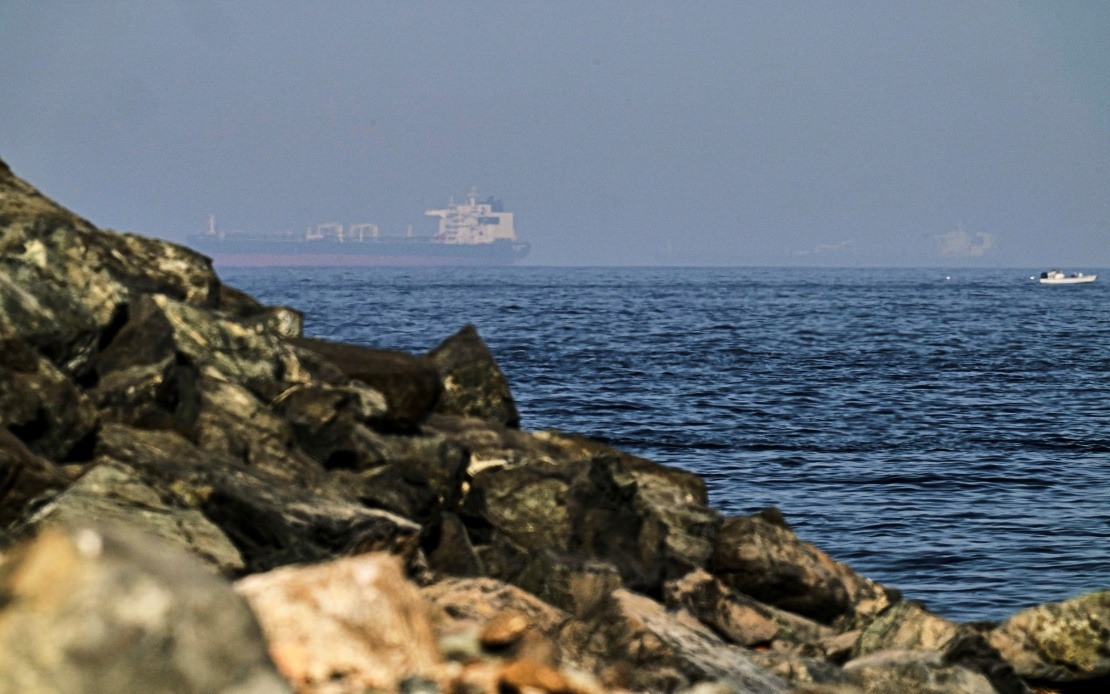
Iran and Oman have reached an understanding to establish a temporary shipping passage through the Strait of Hormuz, according to Major General Mohsen Rezaei, the Secretary of Iran's Supreme National Security Council. In comments made to Al-Manar TV on Thursday, Rezaei outlined the framework of this arrangement, which represents a significant development in maritime traffic management through one of the world's most strategically vital chokepoints. The corridor, jointly managed by both countries, traverses the centre of the strait with portions running through Iranian and Omani territorial waters respectively, creating a demilitarised zone of sorts for international shipping.
The establishment of this temporary passageway comes amid heightened regional tensions and reflects a pragmatic diplomatic arrangement between two neighbouring powers. Rezaei emphasised that the physical location and boundaries of the corridor have been precisely determined and formalised between Tehran and Muscat, eliminating ambiguity over where merchant vessels should transit. This operational clarity is critical for international shipping companies seeking certainty about safe passage through waters that have historically experienced disruptions and military posturing. The corridor's existence signals that despite broader geopolitical confrontations, basic commercial shipping operations need not come to a complete standstill.
However, Rezaei made explicit that this temporary arrangement represents merely a preliminary measure, with the permanent reopening and full normalisation of Strait traffic contingent upon American compliance with a specific set of Iranian demands. Chief among these conditions is a commitment from Washington to actively facilitate peace efforts across multiple West Asian conflict zones, particularly Lebanon and Gaza. Iran views the maritime corridor not in isolation but as inextricably linked to the broader security architecture of the region, reflecting Tehran's interpretation that no single issue can be resolved without addressing the interconnected conflicts affecting the Eastern Mediterranean and Levantine spaces.
The Iranian security official articulated that the United States must demonstrate concrete commitment to implementing Iranian conditions before any meaningful expansion of the temporary corridor or progression toward permanent reopening arrangements. Rezaei described a profound erosion of trust between Washington and Tehran, characterising the relationship as fractured by a "deep chasm of mistrust" that cannot be bridged through rhetoric alone. This framing suggests Iran believes unilateral gestures would be counterproductive, positioning the temporary corridor as evidence of Iranian reasonableness whilst shifting responsibility for further progress onto American shoulders.
Rezaei's condition list encompasses specific geopolitical outcomes: cessation of conflicts across West Asian theatres, Israeli withdrawal from occupied Lebanese territories, termination of warfare in Gaza, and cessation of Israeli military operations against Syrian targets. These demands reflect Iran's strategic vision of regional rebalancing and its positioning as a significant stakeholder in Eastern Mediterranean security architecture. By bundling shipping corridor reopening with these broader geopolitical demands, Iran effectively uses maritime commerce—critical to global energy markets and trade—as leverage for its regional agenda.
Regarding potential Turkish economic pressure, Rezaei dismissed such prospects, emphasising the depth and resilience of bilateral commercial relationships between Ankara and Tehran. He invoked historical precedent, recalling how Turkey served as a vital trade corridor for Iran during the 1980-88 Iran-Iraq War, suggesting enduring economic interdependencies that transcend momentary political disagreements. This statement aims to preempt any scenario where Western pressure might encourage neighbouring states to economically isolate Iran, positioning Turkey as a reliable partner regardless of international sanctions regimes.
On military dimensions, Rezaei articulated a strategic doctrine combining restraint with preparation. He characterised Iran's previous responses to Israeli military actions as deliberately calibrated, initially constraining operations to avoid targeting American bases throughout the Persian Gulf before subsequently broadening the scope to encompass US installations across multiple regional locations. This incremental approach, Rezaei explained, reflected attempts to balance military effectiveness with humanitarian considerations whilst building regional and international legitimacy for Iranian responses. The framing suggests Iran views escalation control as a strategic advantage rather than constraint.
The security official warned that any American escalation via economic pressure would provoke Iranian countermeasures targeting US economic interests throughout the region. This represents an explicit threat to expand economic conflict beyond traditional sanctions regimes, potentially affecting American commercial assets, investments, and supply chains across multiple Middle Eastern countries where Iran maintains significant influence. The statement signals Iran's determination to impose costs on Washington for any renewed confrontation, moving beyond military deterrence into economic and commercial domains.
Rezaei described the region as an "interconnected chain" where instability in any single state reverberates across the entire system, raising security risks and depressing investment across borders. This conceptualisation underpins Iran's insistence on addressing multiple conflicts simultaneously rather than compartmentalising issues. He characterised Iran-Lebanon relations as historically rooted and strategically paramount, invoking centuries-old scholarly connections between Jabal Amel's clerical tradition and Iranian theological centres to justify continued military and political support for Hezbollah and Lebanese state institutions.
On the military situation, Rezaei assessed that Israeli forces have lost capacity for territorial advances toward Beirut and southern suburbs, attributing this to Hezbollah's infliction of significant losses over preceding months combined with what he termed the "full impact" of Iranian deterrent capabilities. This characterisation presents Israel as strategically stalled despite technological and organisational advantages, suggesting that regional resistance forces, supported by Iranian backing, have achieved sufficient military-political parity to prevent further Israeli territorial expansion. Such assessments aim to bolster regional confidence in Iranian-led resistance networks.
For Malaysian and Southeast Asian observers, these developments carry implications for global maritime commerce and energy security. The Strait of Hormuz facilitates approximately one-third of all internationally traded maritime petroleum, making its operational status directly relevant to regional energy costs and supply reliability. Any further deterioration in corridor functionality could spike energy prices affecting economies throughout Southeast Asia, whilst stabilisation efforts improve economic stability across the region. The temporary corridor arrangement, despite its political conditions, represents tacit acceptance that complete closure serves neither Iranian nor international interests, suggesting rational economic constraints on escalation.
The announcement also underscores how Middle Eastern conflicts increasingly impose externalities on distant regions through maritime commerce disruptions, energy price volatility, and supply chain fragmentation. Southeast Asian nations depend heavily on stable Strait of Hormuz passage and Global South states generally bear disproportionate costs from regional military escalations that disrupt energy and commodity markets. Iran's framing of regional security as interconnected reflects a reality that Malaysia and Southeast Asia equally experience—geographic proximity to multiple conflict zones creates unavoidable consequences for regional prosperity regardless of formal neutrality preferences.

