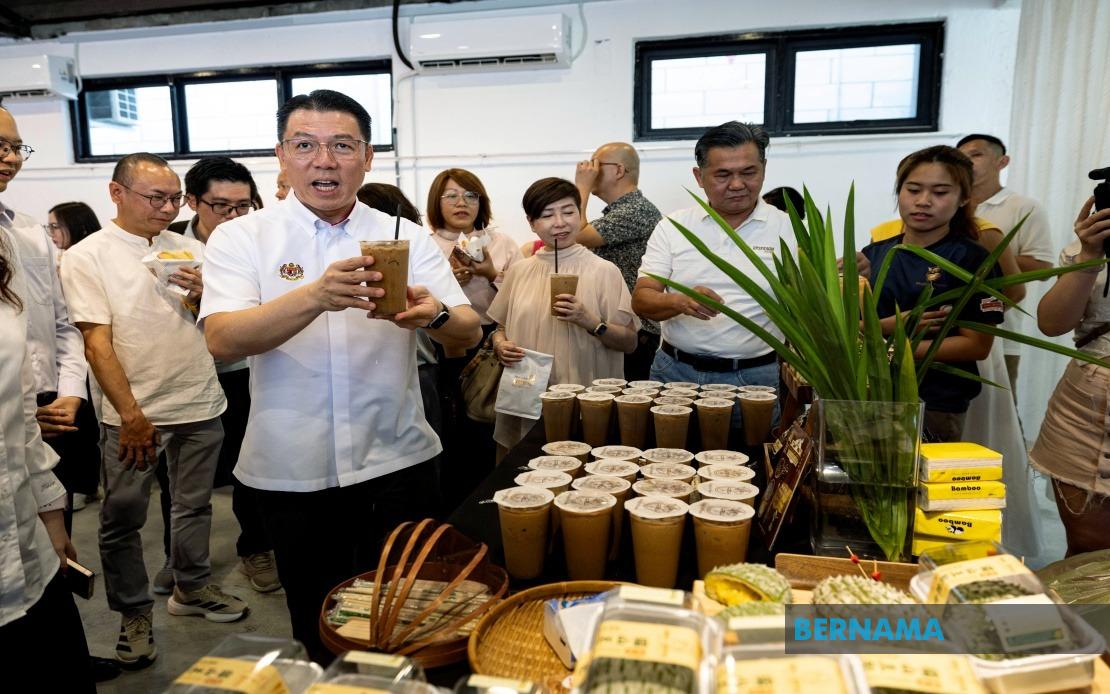
Malaysia's Housing and Local Government Minister Nga Kor Ming has unveiled an ambitious culinary initiative designed to harness food as a vehicle for social cohesion and economic development. The Jom Makan Ipoh 2026 Expo, scheduled for August 28-30, represents a strategic attempt to position Ipoh's rich gastronomic traditions at the intersection of heritage preservation, tourism development, and intercommunal dialogue. Speaking at the pre-launch ceremony, Nga articulated a vision where food transcends its conventional role as mere sustenance, instead becoming a tangible expression of Malaysia's multicultural identity and the bedrock upon which national unity is constructed.
The festival framework, developed collaboratively between the Kepayang constituency service centre and multiple strategic partners, weaves together four interconnected objectives: safeguarding traditional culinary practices from obsolescence, fostering educational engagement with food culture, strengthening Ipoh's brand positioning as a destination city, and catalysing tourism revenue streams. This multifaceted approach reflects an evolving understanding within Malaysian governance circles that intangible cultural assets—particularly those embedded in everyday practices like cooking and eating—possess significant potential to address contemporary policy challenges. Rather than treating food heritage as a peripheral concern relegated to cultural ministries, the initiative embeds gastronomy within broader narratives of economic resilience and social stability.
The expo will accommodate more than 50 food and agricultural product vendors across its three-day run, which operates from 5 pm to 11 pm nightly at Palo 101. This venue selection and operating schedule suggest deliberate targeting of evening leisure consumers and tourism-oriented visitors seeking authentic local experiences. The stall configuration will spotlight twelve signature Ipoh specialties, complemented by street food vendors and curated selections of regional agricultural products, creating a concentrated marketplace that simultaneously functions as an open-air museum of culinary identity. Offerings range from established Ipoh institutions such as Laksa Buyong and the renowned Ipoh White Coffee to comfort staples including nasi ayam taugeh and puding taufu, demonstrating how the festival navigates between preservation of heritage dishes and celebration of everyday food practices that define local life.
Beyond commercial stall activities, the expo incorporates six dedicated Ipoh Food Culture Galleries designed to provide historical and contextual layering to the gastronomic offerings. These galleries will trace the evolution of local food traditions through thematic installations examining the historical significance of Ipoh White Coffee, documenting how food culture adapted during the tin mining era, and exploring the cultural narratives surrounding kacang putih, sambal, and ulam preparations. This educational component transforms the expo from a transactional marketplace into an immersive cultural institution, allowing visitors to develop deeper understanding of how Ipoh's unique geographic position, economic history, and demographic composition have shaped its distinctive culinary landscape. The galleries essentially create intellectual scaffolding that helps visitors comprehend food not as isolated recipes but as accumulated expressions of lived experience.
The programming calendar incorporates diverse cultural performances representing Ipoh's racial and ethnic communities, ensuring the festival embodies rather than merely claims multicultural representation. Scheduled activities include structured "Food Talks Ipoh" sessions featuring culinary historians, practitioners, and cultural commentators who can articulate connections between gastronomic practices and broader social narratives. The introduction of an Ipoh QR Digital Food Map represents a modern technological intervention designed to extend the expo's impact beyond physical attendance, enabling digital access to information about participating vendors, historical context, and cultural significance. This hybrid approach—combining physical experience with digital documentation—positions the event within contemporary museological and heritage management best practices, ensuring that knowledge generated during the festival remains accessible and grows in value over time.
Projections estimate over 20,000 visitors will attend across the three-day period, a figure suggesting organisers anticipate drawing participants from beyond Ipoh's municipal boundaries. For Malaysian readers, this attendance projection carries significance as it indicates growing regional appetite for experiential cultural tourism and heritage-focused events that move beyond conventional shopping-mall programming. The geographic draw—potentially encompassing visitors from Kuala Lumpur, Selangor, and neighbouring states—reflects how food-centred initiatives can function as regional economic multipliers, generating accommodation demand, transportation usage, and patronage for complementary services.
Nga's characterisation of food as "a catalyst for national unity" merits closer examination within Malaysia's contemporary political and social context. The framing acknowledges that intercommunal relations in Malaysia remain fragile and require continuous reinforcement through shared experiences and spaces of encounter. Food occupies a unique position in this regard because it combines physical accessibility—nearly universal human participation in eating—with cultural specificity and meaning-making potential. When Malays, Chinese, and Indians gather to consume, discuss, and celebrate each other's culinary traditions, they engage in what anthropologists term "commensality," a practice historically associated with relationship-building and social solidarity. By deliberately programming the expo to foreground this dynamic, Kepayang constituency and its partners employ cultural infrastructure as a deliberate governance tool for addressing social fragmentation.
The timing of the announcement during Merdeka Month carries symbolic weight, consciously linking food heritage celebration to national commemoration and independence consciousness. This calendrical positioning suggests organisers envision the expo as contributing to patriotic sentiment and national identity formation, treating cultural pride and civic belonging as interconnected rather than competing values. For Malaysian readers accustomed to viewing national unity primarily through political or institutional frameworks, the emphasis on grassroots cultural expression and community-based heritage work may represent a refreshing alternative to top-down unity messaging.
The expo's emphasis on traditional and innovative dishes reflects contemporary food culture globally, where heritage preservation and culinary experimentation are increasingly understood as complementary rather than antagonistic endeavours. Ipoh's position as a historic city with substantial economic transformation potential makes this balance particularly relevant. The festival thus becomes not merely retrospective, preserving what has been, but prospective, demonstrating how traditional knowledge and ingredients can be deployed in contemporary cooking practices. This forward-looking dimension may appeal particularly to younger demographics seeking connection to cultural roots without sacrificing modernity or innovation.
For Malaysian stakeholders, the Jom Makan Ipoh Expo 2026 exemplifies how cultural policy and heritage management are increasingly embedded within tourism development strategies and nation-building initiatives. The event demonstrates recognition that Malaysia's competitive advantage as a regional tourism destination depends substantially on offering distinctive experiences rooted in genuine cultural authenticity rather than manufactured attractions. By leveraging Ipoh's specific culinary identity and enabling visitors to develop understanding of how geography, history, and demography have shaped local food practices, the expo positions the city as a destination offering intellectual and sensory engagement alongside recreational opportunity. This model potentially influences how other Malaysian cities approach heritage valorisation and tourism development, suggesting a trajectory toward more sophisticated, education-embedded approaches to cultural tourism programming.

