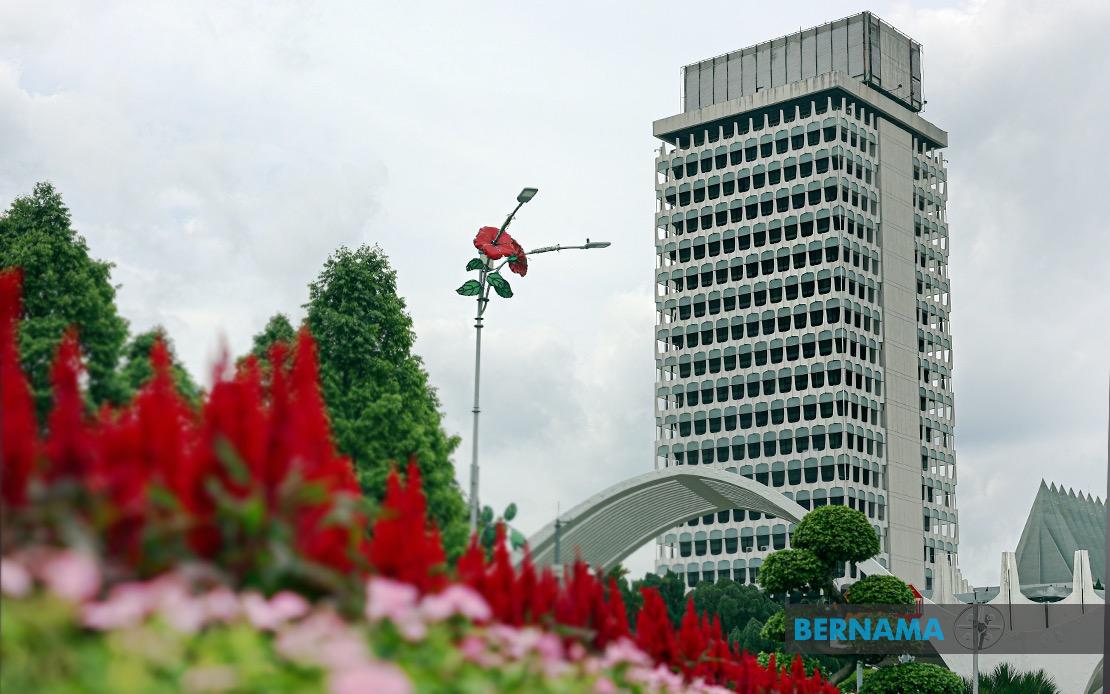
The Dewan Rakyat session beginning today will confront two pressing challenges facing ordinary Malaysians: the frustrating gap between mobile signal strength and actual internet connectivity, alongside the financial strain imposed by global conflicts on the government's fuel subsidy bill. These topics reflect the practical, everyday concerns that extend beyond the legislative chamber and into the lived experiences of citizens across the country.
Connectivity remains a significant frustration for Malaysian consumers despite the apparent ubiquity of mobile networks. Datuk Anyi Ngau from GPS-Baram will push the Communications Minister to reveal what comprehensive action the Malaysian Communications and Multimedia Commission intends to take regarding the persistent problem where mobile devices display full signal bars yet users cannot access internet services. This phenomenon affects productivity, access to essential services, and consumer confidence in telecommunications infrastructure at a time when digital connectivity is no longer optional but fundamental to modern life.
The question signals growing parliamentary impatience with technical explanations that fail to resolve the underlying issues. Network operators and regulators have historically blamed factors ranging from spectrum congestion to infrastructure limitations, but lawmakers appear determined to move beyond diagnosis toward concrete solutions. The disconnect between signal indicators and actual data throughput has become emblematic of a broader frustration with service quality in Malaysia's telecommunications sector, where coverage maps promise universal connectivity that users frequently fail to experience.
On the economic front, geopolitical tensions in West Asia continue casting shadows over Malaysia's public finances through their impact on crude oil prices and, by extension, fuel subsidy expenditures. Mohd Syahir Che Sulaiman from Perikatan Nasional will interrogate the Finance Minister about the government's latest assessment of how the Middle Eastern conflict influences fuel subsidy costs and whether ballooning expenditures in this area threaten to breach the fiscal deficit target set for the current year. This question carries substantial weight, as fuel subsidies represent one of the government's largest discretionary spending commitments.
The Malaysian government has historically grappled with balancing fuel affordability for consumers against the fiscal consequences of subsidising petroleum products. International instability that pushes crude prices upward creates a squeeze: either allow domestic fuel prices to rise, imposing hardship on motorists and businesses, or expand subsidies and risk destabilising the budget. The finance ministry must continuously recalculate these equations as geopolitical circumstances shift, making parliamentary scrutiny of these assessments both timely and necessary.
Beyond these headline issues, parliamentarians will address targeted economic support for workers in informal sectors. Jamaludin Yahya from Pasir Salak will ask the Finance Minister what mechanisms exist to help self-employed individuals, small traders, hawkers, and gig workers secure first-home financing despite lacking conventional salary documentation. This reflects recognition that Malaysia's growing informal economy operates according to different financial logic than traditional employment, yet access to homeownership remains a critical measure of economic security and social stability.
The absence of fixed salary slips creates documentary barriers that formal lending criteria struggle to accommodate, effectively excluding workers in legitimate but unstructured professions from conventional mortgage markets. Parliament's attention to this structural problem signals an understanding that economic inclusion requires financial institutions and government programmes to evolve their assessment methods beyond conventional employment verification.
Women's and family welfare issues will also feature when Yeo Bee Yin from Puchong seeks government clarity on establishing a national regulatory framework governing confinement centres. These traditional postpartum care facilities operate across Malaysia with minimal oversight despite accommodating vulnerable women and newborns during a physically and emotionally demanding period. The absence of comprehensive regulation creates potential risks around hygiene, medical supervision, and consumer protection. The question indicates parliamentary determination to bring these establishments under proper governance structures.
Following the question-and-answer session, the Dewan Rakyat will advance two significant pieces of telecommunications legislation: the Communications and Multimedia (Amendment) Bill 2026 and the Malaysian Communications and Multimedia Commission (Amendment) Bill 2026, both progressing to second reading. These bills, initially tabled for first reading on July 13, will shape Malaysia's regulatory approach to communications for years ahead. The timing of their advancement—immediately following parliamentary questioning about connectivity failures—suggests the amendments address some of the issues lawmakers have raised.
The current parliamentary sitting, running through July 16 across sixteen days, concentrates multiple policy concerns demanding legislative attention. The convergence of connectivity problems, fiscal pressures from international conflicts, informal sector economic inclusion, and welfare regulation reflects the diverse challenges confronting contemporary Malaysia. Each question raised today contributes to a developing parliamentary record of government accountability and policy direction.
For Malaysian citizens watching these proceedings, the day's agenda demonstrates parliament grappling with tangible issues affecting daily life—whether staying connected to digital services, managing household fuel costs influenced by distant conflicts, accessing housing finance, or ensuring safe postpartum care. The legislative machinery advances even as old problems persist and new challenges emerge, requiring continuous adjustment and refinement of policy responses to maintain economic stability and social wellbeing across the nation.

