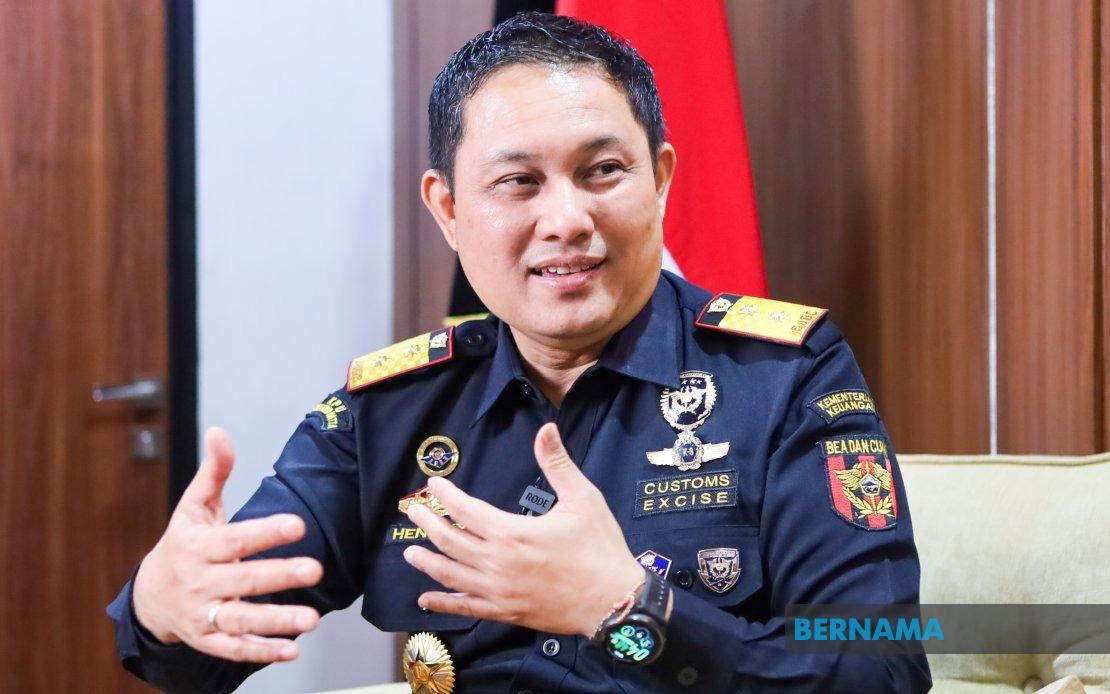
Indonesia's primary international aviation gateway has become the focal point of Southeast Asia's drug trafficking crisis, recording more than 300 narcotics cases in just seven months—a troubling average of at least two interdictions per day. The scale of the problem at Soekarno-Hatta International Airport, which processes between 25,000 and 30,000 international passengers daily, underscores how major transportation hubs have become critical nodes in a sophisticated transnational smuggling network that operates with apparent disregard for borders and nationalities.
Heading the airport's customs enforcement operation, Hengky Tomuan Parlindungan Aritonang emphasized that the sheer volume of cases reflects the relentless pressure on security personnel working at one of Asia's most congested aviation facilities. The figures paint a complex picture of modern drug trafficking: syndicates are not bound by conventional geographic or demographic patterns. Individuals of various nationalities have been caught attempting to move contraband through the airport, revealing how criminal networks recruit operatives opportunistically rather than systematically targeting specific nationalities or routes.
The intelligence gathered at Soekarno-Hatta demonstrates that flight origin and courier nationality are often disconnected variables in the smuggling equation. Aritonang noted that Indonesian citizens frequently become unwitting or coerced participants in international trafficking chains, sometimes approached by syndicates while working abroad and persuaded to transport drugs back to their home country. This pattern highlights a vulnerability in enforcement—the casual appearance of returning nationals lowers suspicion among security personnel, making them attractive recruitment targets for trafficking organizations.
Major aviation hubs across the region, particularly in Malaysia, Thailand and Hong Kong, serve as crucial transshipment points where drugs change hands multiple times before reaching final destinations. The Soekarno-Hatta data reveals that while Thailand, Spain, Malaysia and Singapore feature prominently as source countries for confiscated narcotics, this does not necessarily correlate with where the intercepted couriers originated. Trafficking syndicates deliberately exploit this opacity, routing contraband through multiple jurisdictions and recruiting couriers from unrelated countries to obscure the genuine provenance of illegal shipments.
Among the most commonly seized substances at the airport are psychotropic drugs, etomidate and methamphetamine, though methamphetamine and MDMA have accounted for the largest seizures by weight. The diversification of smuggling methods extends beyond traditional passenger luggage checks—authorities have identified cases where drugs are concealed in air cargo shipments, requiring customs investigators to work backward from the intended recipient to identify shipping networks and suppliers. This dimension of the smuggling problem suggests that airport security must now encompass far more sophisticated investigative techniques than simple baggage screening.
Recent high-profile arrests of Malaysian nationals have raised questions about whether certain populations face heightened scrutiny, a concern that Aritonang directly addressed in clarifying that screening protocols operate without bias based on nationality, ethnicity or personal characteristics. The detention of a Malaysian pilot carrying approximately 25 kilograms of MDMA last week, followed by arrests of two other Malaysian nationals transporting methamphetamine and additional controlled substances, temporarily focused regional media attention on Malaysia-Indonesia travel routes. However, Aritonang stressed that professional customs work relies on intelligence data, X-ray imaging analysis and behavioral indicators rather than demographic profiling.
The pilot case represents a particularly revealing moment in the smuggling saga, illustrating how syndicates have evolved their recruitment strategies to exploit unexpected vulnerabilities. Pilots undergo exceptionally rigorous vetting processes including licensing requirements, medical examinations and comprehensive background checks—precisely the characteristics that should make them among the least likely candidates for involvement in narcotics trafficking. Yet this very predictability has apparently become an asset to criminal organizations. Aritonang observed that syndicates deliberately target individuals in positions that enforcement officers would consider beyond suspicion, calculating that the improbability of a pilot's involvement will create a blind spot in security protocols.
The rarity of pilot involvement in drug trafficking provides context for understanding the strategic thinking of modern smuggling networks. Indonesian law enforcement has encountered only one comparable case in the past two decades, involving an Indonesian pilot approximately 20 years ago. This scarcity underscores how exceptional the recent Malaysian pilot arrest actually is—not because of the suspect's nationality, but because of the deliberate targeting of someone whose professional credentials would typically provide substantial protection against suspicion. The incident reveals that as enforcement capabilities improve at major transit points, criminal networks continuously adapt by identifying new categories of people and new methods that operate at the margins of conventional risk assessment.
The broader implications for regional security extend beyond Jakarta's airport. The trafficking patterns documented at Soekarno-Hatta reflect pan-Southeast Asian challenges, with syndicates operating across Malaysia, Indonesia, Thailand and Singapore with sophisticated coordination. For Malaysian travelers and business professionals, the data demonstrates that while no nationality faces discriminatory treatment, the region's airports collectively remain contested spaces where enforcement agencies wage an ongoing battle against increasingly adaptive criminal enterprises. The 300-plus cases in seven months represent not a security success story, but rather a snapshot of continuous, relentless trafficking activity that continues despite significant interdiction efforts.
Looking forward, the challenge facing regional authorities involves moving beyond reactive interception toward disrupting the recruitment and logistics networks that enable syndicates to perpetually identify new couriers and routes. Aritonang's candid acknowledgment that syndicates will exploit any vulnerability suggests that customs and law enforcement must continually evolve their investigative techniques and intelligence-sharing protocols. For Malaysia specifically, the recent arrests of nationals at Indonesian airports underscore the importance of coordinated bilateral efforts to address transnational trafficking, recognizing that the problem fundamentally transcends individual nations and requires sustained regional cooperation to effectively diminish the appeal of using Southeast Asian aviation hubs as smuggling corridors.

