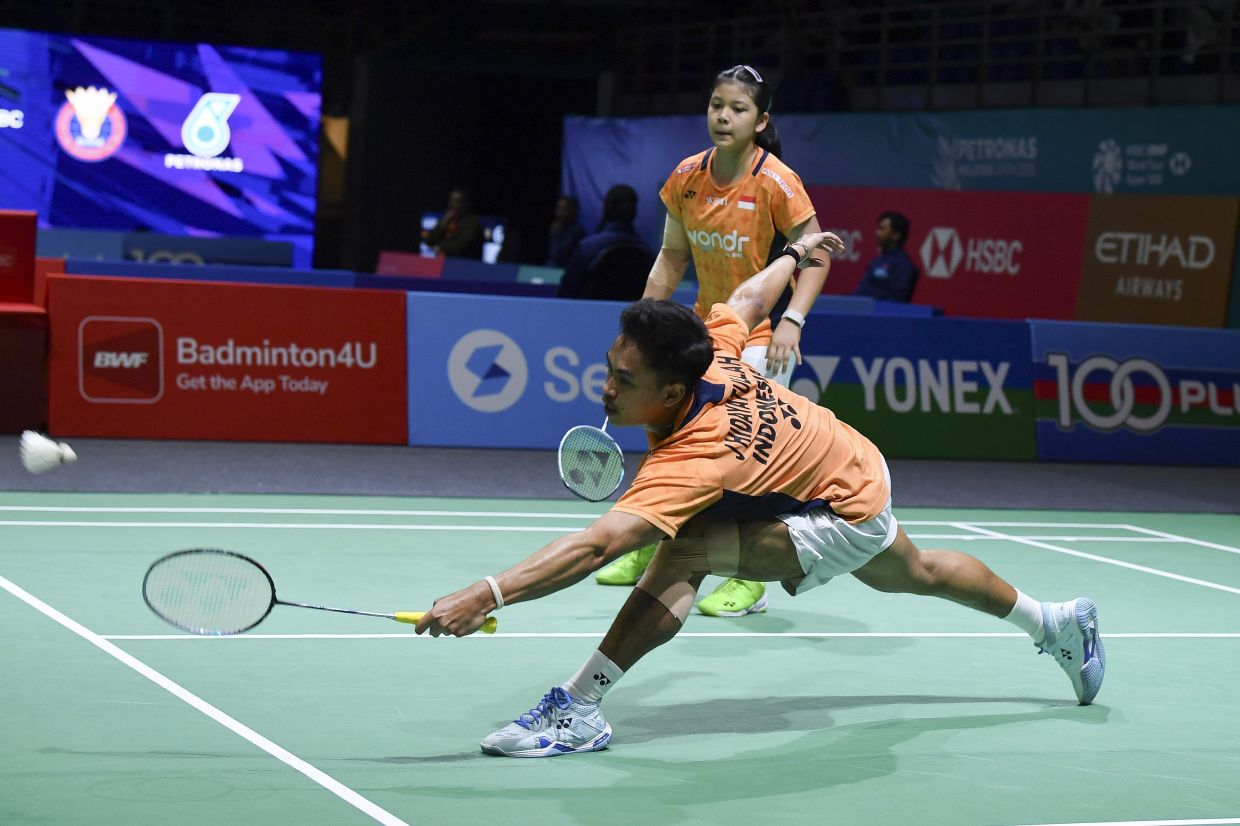
The withdrawal of Indonesia's top-ranked mixed doubles pair from the World Badminton Championships has cast a shadow over the sport in Southeast Asia, as the Badminton World Federation continues investigating alleged integrity violations spanning multiple Indonesian players. Although the Indonesian Badminton Association has carefully avoided explicitly linking Jafar Hidayatullah-Felisha Pasaribu to the probe, the timing and circumstances of their departure from the tournament have intensified scrutiny and raised uncomfortable questions about the state of competitive integrity within one of badminton's strongest federations.
The pair, ranked 13th globally, were among two mixed doubles combinations withdrawn from Indonesia's World Championships contingent through what officials euphemistically described as squad adjustments. Alongside Jafar-Felisha, the pairing of Adnan Maulana-Indah Cahya Sari Jamil also withdrew, with Adnan-Indah pulling out on July 13, followed by Jafar-Felisha's withdrawal on July 29. The staggered nature of these departures, rather than a single announcement, has done little to quell speculation about the underlying motivations, particularly given the concurrent judicial examination being conducted at the international level.
The Indonesian Badminton Association's response, delivered through secretary-general Ricky Soebagdja, maintained institutional distance from the specifics of the withdrawals while acknowledging the broader enforcement action underway. The PBSI statement emphasized its commitment to regulatory compliance and procedural adherence, positioning the squad changes as administrative measures aligned with applicable international standards. This carefully calibrated messaging reflects the delicate position the federation faces—needing to maintain credibility with the international badminton community while managing domestic concerns about player welfare and reputational damage.
The Badminton World Federation's independent judicial proceedings represent a significant escalation in scrutiny of Indonesian badminton. Match-fixing investigations at the international level carry severe consequences for players, coaches, and national associations, potentially including bans, fines, and loss of ranking points. The fact that multiple Indonesian players have come under investigation suggests either a systematic problem or the discovery of an organized scheme, either of which would represent a serious breach of the sport's integrity frameworks that the BWF has worked to strengthen in recent years.
Indonesia's position as a badminton powerhouse makes this investigation particularly significant for the sport globally. The nation has produced world champions across multiple categories and maintains formidable depth in nearly every badminton discipline. An integrity crisis affecting multiple players could undermine confidence in Indonesian results across multiple tournaments and cast doubt retroactively on competitions where these athletes competed. For Malaysian readers and Southeast Asian badminton enthusiasts, this development carries direct implications, as Indonesian players regularly compete against Malaysian, Thai, and Vietnamese counterparts in regional and international tournaments.
The federation's decision to promote reserve players Rehan Kusharjanto-Gloria Widjaja to replace the withdrawn pair, while retaining Amri Syahnawi-Nita Violina Marwah as their primary mixed doubles representation, demonstrates an effort to maintain competitive viability despite the disruptions. This substitution strategy allows Indonesia to present credible mixed doubles options at the World Championships rather than conceding the category entirely, though the loss of a top-13 ranked pair represents a genuine competitive setback for the federation.
The PBSI's insistence on respecting the BWF Independent Hearing Panel's autonomy and its refusal to comment further while proceedings continue reflects broader governance principles about protecting investigative integrity. However, this transparency void has created space for speculation and rumor, which often proves more damaging to institutional credibility than straightforward disclosure would. The association's appeal for all parties to refrain from speculation is unlikely to be heeded, given the high-profile nature of badminton in Indonesia and the public's legitimate interest in understanding what has transpired.
For Malaysian badminton observers, this situation underscores the importance of robust integrity frameworks across all Southeast Asian federations. Match-fixing undermines the credibility of the sport and the achievements of athletes who compete fairly, affecting not only the immediate tournaments where violations occur but also the historical record of the sport itself. The investigation's outcome will carry implications for how seriously national federations across the region are perceived to take integrity enforcement and player discipline.
The timing of these withdrawals, occurring just weeks before the World Championships, has also disrupted Indonesia's preparation and team cohesion at a critical moment. The loss of established partnerships and the sudden integration of replacement pairs introduces uncertainty into selection strategies and squad dynamics. Whether the remaining Indonesian mixed doubles combinations can execute effectively under these circumstances remains an open question that will likely influence the federation's performance at the championships.
Looking ahead, the BWF's determination and the substance of its findings will set an important precedent for how international badminton addresses integrity breaches. If the investigation confirms systematic violations, it may prompt enhanced monitoring protocols, stricter educational requirements, or additional compliance measures for all federations. Conversely, if the investigation clears some players or identifies isolated incidents, it will be important for the BWF to communicate clearly, as ambiguity tends to perpetuate reputational damage long after formal conclusions have been reached.
The broader context here involves the ongoing tension between protecting player confidentiality during investigations and maintaining public confidence in the sport's governance structures. The PBSI faces pressure from international standards requiring discretion during proceedings, yet also faces domestic demands for transparency about why national representatives have been excluded from major tournaments. This balancing act between competing institutional interests will test the federation's communication skills and stakeholder management capabilities in the coming months.

