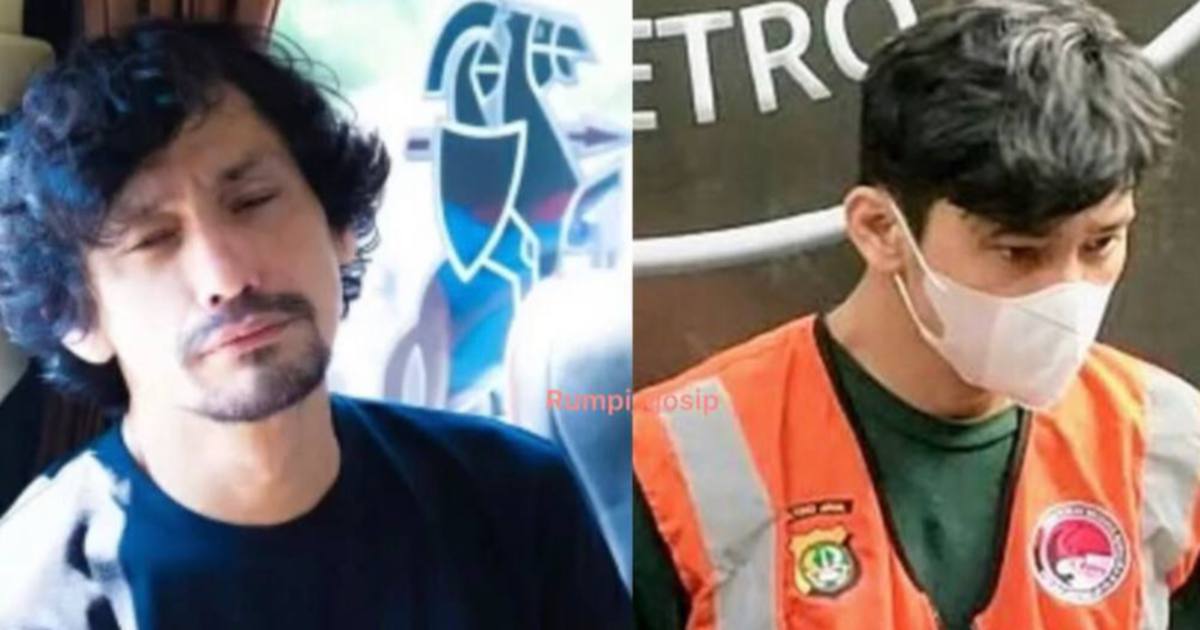
The Indonesian entertainment industry faces fresh scrutiny as actor Revaldo Fifaldi has landed in police custody for what authorities describe as the fourth narcotics-related incident in his criminal history. Detectives executed a search warrant at a residential unit in South Jakarta, apprehending the actor on charges connected to drug possession and personal consumption. The arrest underscores the persistent problem of substance abuse among public figures in Indonesia and the challenges law enforcement continues to face in combating drug-related offences within the country's entertainment sector.
The raid, conducted by Jakarta's police narcotics division, resulted in the discovery of drug paraphernalia and controlled substances at the apartment. Revaldo Fifaldi was taken into custody following the operation, with authorities launching formal investigations into the circumstances surrounding his possession and alleged use of illegal drugs. The case marks a troubling pattern in the actor's legal history, suggesting that previous encounters with the law and any associated interventions have failed to deter further involvement with narcotics.
Indonesia has maintained one of Southeast Asia's most stringent drug policies, with the government implementing severe penalties for possession and trafficking offences. For individuals convicted of drug-related crimes, sentences can range from lengthy prison terms to, in trafficking cases, capital punishment. The repeated arrests of a recognisable public figure like Revaldo highlight the breadth of Indonesia's drug problem, which extends well beyond street-level distribution networks into circles typically associated with wealth and social influence.
The entertainment industry in Jakarta has in recent years witnessed several high-profile drug arrests involving actors, musicians, and other celebrities. These incidents have prompted industry observers to question whether the glamour and financial pressures of show business, combined with insufficient support systems and rehabilitation options, create conditions that enable substance abuse among performers. The visibility of such cases also raises concerns about the influence celebrity behaviour exerts on younger audiences and aspiring entertainers in Indonesia.
Revaldo's arrest comes at a time when Indonesian authorities have intensified anti-narcotics operations across major urban centres. The police narcotics directorate has made combating drug abuse a priority, with regular raids on residential properties, entertainment venues, and other locations suspected of harbouring drug users and suppliers. Despite these enforcement efforts, addiction rates have remained relatively stable, prompting critics to argue that supply-side interventions must be paired with more robust demand-reduction strategies, including accessible rehabilitation and counselling services.
From a legal standpoint, Revaldo's case will proceed through Jakarta's court system, where prosecutors will present evidence gathered during the raid. The defendant's previous convictions on similar charges will almost certainly influence sentencing recommendations and judicial discretion. Indonesian courts have shown willingness to impose consecutive sentences and extended incarceration periods for repeat offenders in drug cases, particularly when possession appears to be linked to personal consumption rather than trafficking.
The actor's repeated entanglement with the law also reflects broader conversations within Indonesian society about addiction as a public health matter versus a criminal justice issue. Mental health professionals and addiction specialists have advocated for greater emphasis on treatment and rehabilitation pathways, arguing that the criminal justice system alone cannot address the underlying drivers of substance abuse. However, Indonesia's legislative framework continues to prioritise punitive measures, with relatively limited investment in community-based treatment programmes and harm-reduction initiatives.
For the Malaysian entertainment industry and regional observers, the Revaldo case serves as a cautionary reminder of the persistent risks associated with drug abuse in the entertainment sector. Southeast Asia's rapid urbanisation, increasing wealth among certain demographic segments, and the stress inherent in entertainment careers have created conditions where substance abuse can flourish. Malaysian authorities and industry figures have similarly grappled with high-profile drug cases involving performers, suggesting that this is a regional challenge rather than an isolated problem confined to Jakarta or Indonesia.
The case also underscores the importance of institutional support and peer accountability within entertainment industries across Southeast Asia. Industry associations, production companies, and established performers have roles to play in addressing substance abuse through mentorship, wellness programmes, and early intervention mechanisms. Without such preventive structures, the cycle of arrest, release, and re-arrest evident in Revaldo's history is likely to persist, with significant personal consequences for the individual while contributing little to broader public health or social outcomes.
As Revaldo faces processing through the Indonesian criminal justice system, his case will once again dominate entertainment news cycles and fuel debates about drug policy, personal responsibility, and rehabilitation. The outcome—whether it results in conviction, sentencing, and potential incarceration—will add another chapter to a troubling trajectory that illustrates how substance abuse can derail promising careers and lead individuals toward increasingly serious legal consequences. For aspiring performers and their families in Indonesia and across Southeast Asia, the case presents a sobering example of how quickly involvement with illegal drugs can escalate from isolated incidents to a defining pattern of behaviour with profound legal and personal ramifications.

