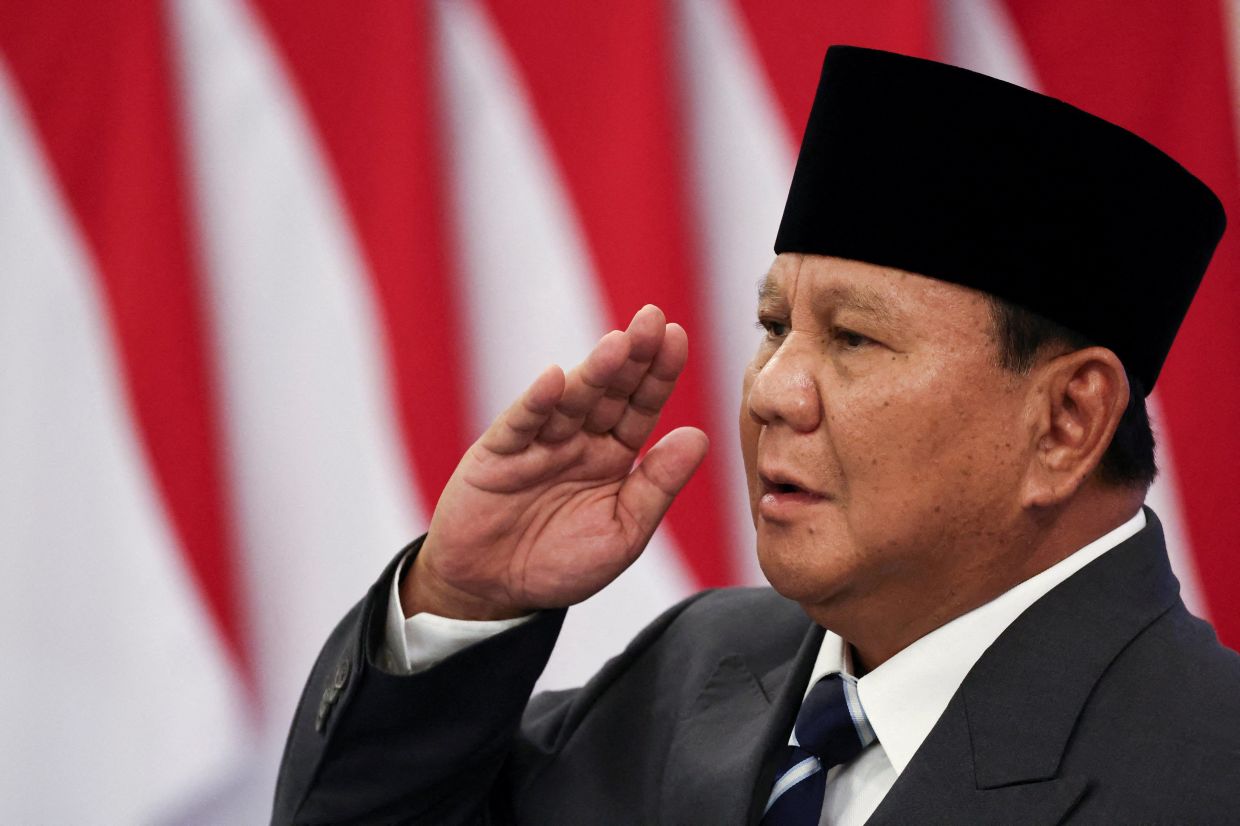
Indonesia's defence ministry has significantly modified the basic military training component of President Prabowo Subianto's flagship village cooperative programme, scaling back the rigour following the deaths of five participants in the opening fortnight of the initiative. The restructuring comes as the Southeast Asian nation grapples with questions about the safety protocols governing the ambitious scheme, which aims to establish approximately 80,000 village cooperatives across the archipelago within the coming years.
The "Red and White Cooperatives" programme, which commenced operations in July last year, represents a central pillar of the Prabowo administration's economic strategy designed to stimulate employment generation and underpin the government's target of achieving 8 per cent economic growth by 2029. The cooperatives, which are intended to operate as distribution networks for basic goods, subsidised cooking gas, and fertiliser, rely on village-level managers who must first complete the military training programme now being restructured.
Defence ministry spokesperson Rico Sirait announced on Tuesday that the training format had been fundamentally restructured following an internal assessment, with the removal of technical military material, tactical instruction, and firearms activities now official policy. The decision represents a marked departure from the original programme design and signals acknowledgment by officials that the previous approach posed unacceptable risks to civilian trainees. Physical conditioning requirements have also been substantially reduced and reoriented to accommodate the diverse fitness profiles and civilian backgrounds of the approximately 35,000 prospective cooperative managers currently enrolled across multiple regional military training facilities.
The five deaths occurred between June 17 and June 26, spanning the initial two weeks of the 45-day training cycle that commenced on June 14 and is scheduled for completion by July 31. The fatalities resulted from diverse medical causes including cardiac arrest, heat stroke, tuberculosis, and pneumonia, according to ministry statements released on Saturday. The diversity of contributing factors suggests systemic issues with medical screening, environmental conditions, or the intensity of physical demands imposed on participants, rather than isolated incidents.
Ministers had previously asserted that all five deceased individuals had successfully passed mandatory medical examinations before programme commencement and that the training did not incorporate demanding physical conditioning. These claims have generated significant scrutiny, as critics argue that either the medical screening process was inadequate or the training demands substantially exceeded initial public representations. The discrepancy between official characterisations of the programme and the resulting mortality rate has intensified public concern regarding safety standards.
The revised training methodology now emphasises character development, institutional discipline, leadership cultivation, and collaborative skills rather than military competency. This reorientation reflects the reality that village cooperative management requires administrative and interpersonal capabilities rather than combat readiness or tactical knowledge. The shift also implicitly acknowledges that the military framework may have been conceptually misaligned with the civilian management objectives of the cooperative initiative.
For Malaysian observers, the Indonesian situation underscores broader regional concerns about the intersection of state development programmes and public safety standards. Malaysia's own experience with large-scale civilian training initiatives administered through military or paramilitary channels provides instructive parallels regarding the necessity of calibrating intensity levels to participant demographics and establishing robust medical oversight mechanisms. The Indonesian case demonstrates how ambitious economic programmes designed to address developmental objectives can encounter implementation difficulties when operational frameworks prove unsuitable for intended beneficiaries.
Indonesia's human rights commission intervened on Sunday, issuing a formal recommendation that the government terminate the basic military training component entirely. This institutional response reflects escalating concerns within civil society that the military training dimension, even in restructured form, may remain incompatible with the cooperative programme's civilian objectives. The commission's position suggests that questions about the appropriateness of military involvement in civilian economic development remain unresolved despite the ministry's modifications.
The incident raises fundamental questions about institutional capacity and programme design within Indonesian governance structures. The decision to administer civilian vocational training through military infrastructure, combined with the apparent gap between initial safety assurances and subsequent fatalities, indicates potential deficiencies in planning, risk assessment, and implementation oversight. These deficiencies acquire particular significance given the scale of the cooperative initiative, which encompasses tens of thousands of civilian participants and represents a substantial investment of government resources and political capital.
Prabowo's administration faces mounting pressure to demonstrate that the cooperative programme can function effectively and safely without the military training component that was apparently designed to instil organisational discipline and collective ethos among village-level managers. The restructuring may ultimately prove more sustainable if it enables the programme to focus exclusively on the practical skills and knowledge essential for cooperative operation while reducing participant risk exposure. However, the deaths have already inflicted reputational damage that may complicate recruitment and participation in subsequent training cohorts.
Regional governments observing Indonesia's experience may reconsider plans to employ military institutions in delivering civilian economic development programming, favouring instead civilian educational and vocational frameworks specifically designed for non-military purposes. The Indonesian situation illustrates how institutional path dependencies and bureaucratic convenience can generate unintended consequences when administrative structures designed for military purposes are repurposed for civilian objectives without substantial organisational and operational adaptations.
Looking forward, the success of the restructured cooperative programme will depend on whether the modified training framework proves adequate to equip village managers with necessary capabilities while eliminating the safety hazards that characterised the initial implementation. The defence ministry must also confront questions about whether military administration of civilian training remains appropriate even in restructured form, or whether the cooperative initiative would benefit from transition to civilian educational institutions better equipped to serve non-military populations.

