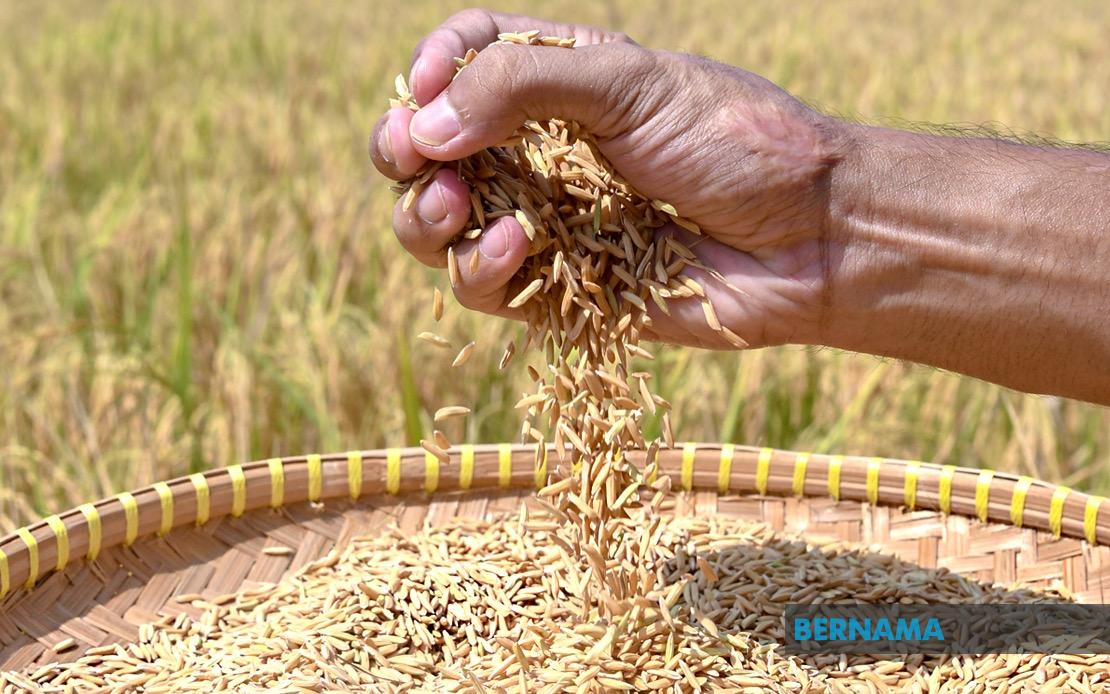
Indonesia's state-owned logistics company Bulog is pressing ahead with negotiations to supply rice to Malaysia and Singapore, seeking to finalise export arrangements that could significantly boost the nation's agricultural trade in Southeast Asia. The talks, which remain ongoing, focus on establishing commercial terms and pricing structures for shipments that would see Indonesia become a substantial rice supplier to both neighbouring markets. Bulog president director Ahmad Rizal Ramdhani indicated that discussions are advancing, though practical arrangements for a Malaysian delegation visit have yet to be finalised, delaying the formal handover phase of negotiations.
The most substantial proposed transaction involves exporting 200,000 tonnes of rice to Malaysia, making it the centrepiece of Indonesia's regional rice strategy. This volume represents a significant commitment to Malaysian food security needs and reflects Indonesia's capacity to serve as a reliable long-term supplier for the country. However, negotiations over the price point have proven to be the primary obstacle to concluding an agreement. Both parties have been working to establish a commercially viable rate that satisfies Indonesia's requirement to maintain fair returns for domestic producers whilst remaining competitive and affordable for Malaysian importers. The lack of resolution on pricing has prevented the discussions from moving into final execution phases.
Parallel to the Malaysian discussions, Indonesia is also negotiating a smaller but strategically important rice export arrangement with Singapore. The proposed shipment of 10,000 tonnes would follow from bilateral conversations held between Indonesia's Agriculture Minister Andi Amran Sulaiman and Singapore's Sustainability and the Environment Minister Grace Fu during their June 29 meeting in Jakarta. Whilst the Singapore volume is considerably smaller than the Malaysian proposal, it signals Indonesia's ambition to position itself as a trusted rice supplier across multiple Southeast Asian economies. Singapore's dependence on food imports makes such supply agreements critical to the city-state's food security strategy.
Ramdhani emphasised that Bulog remains committed to advancing both negotiations simultaneously, even as logistical barriers continue to slow progress. He noted that Malaysia has not yet finalised preparations to receive an Indonesian delegation, which would be necessary to move discussions from the preliminary negotiation stage toward formal agreement and implementation planning. This delay, while frustrating for parties keen to conclude deals, reflects the complexity of establishing new international supply chains and the need for both governments to align their respective administrative and procedural requirements. Bulog intends to maintain steady communication with both countries to ensure that once Malaysia signals readiness, discussions can rapidly progress toward certainty on pricing and other critical commercial terms.
The proposed exports carry significant implications for Indonesia's domestic agricultural sector and broader economic interests. President Prabowo Subianto has made clear that any rice export agreement must be structured in a manner that protects the livelihoods of Indonesian farmers and ensures that international sales contribute positively to the nation's overall economic objectives. This directive reflects the political sensitivity surrounding agricultural exports in a country where farming remains an important employment sector and where domestic food security remains a government priority. The balance between generating export revenues and safeguarding farmer incomes will likely influence Indonesia's approach to final pricing and volume agreements with both Malaysia and Singapore.
From Malaysia's perspective, securing reliable rice imports from Indonesia offers substantial advantages for managing food inflation and ensuring stable supplies during global market fluctuations. The proposed 200,000-tonne shipment would represent a meaningful proportion of Malaysia's annual rice consumption, reducing the country's vulnerability to price spikes in the global market and diversifying supply sources away from traditional suppliers such as Thailand and Vietnam. For a country acutely aware of the economic and political risks associated with food price volatility, a stable supply arrangement with a neighbouring regional producer carries considerable strategic value. The current delay in finalising this deal may be frustrating for Malaysian policymakers monitoring domestic rice availability and pricing pressures.
The negotiation dynamics also reflect broader trends in Southeast Asian food security policy, where regional countries increasingly recognise the value of intra-ASEAN supply arrangements over dependence on global commodity markets. Indonesia's efforts to supply Malaysia and Singapore exemplify this regional food security imperative, creating supply chains that enhance mutual resilience across the bloc. Such arrangements reduce transaction costs, shorten supply lines, and create stable trading relationships that benefit all parties. The successful conclusion of these negotiations could establish a template for further agricultural trade deepening within ASEAN, particularly in staple commodities where supply security remains a pressing concern.
The pricing negotiations themselves underscore the delicate equilibrium that must be struck in agricultural trade between exporting and importing nations. Indonesia must ensure that rice exports occur at prices that fairly compensate farmers and maintain incentives for domestic production, yet Malaysia and Singapore require pricing that remains accessible and competitive relative to alternative sources. This tension is intrinsic to agricultural commodity trading and resolving it typically requires both parties to demonstrate flexibility and creativity in structuring agreements. Bulog's willingness to continue engaging despite the initial delay suggests confidence that a mutually acceptable solution can be reached.
Looking forward, the conclusion of these negotiations could establish Indonesia as a significant rice exporter within Southeast Asia, a role that aligns with its position as the world's largest archipelago and a major rice-producing nation. Successfully supplying Malaysia and Singapore would validate Indonesia's capacity to manage large-scale agricultural exports and could create momentum for additional export opportunities with other regional partners. The successful execution of these deals would also enhance Indonesia's influence in regional food security discussions and demonstrate its commitment to contributing to wider ASEAN stability through agricultural trade partnerships. For now, the focus remains on bridging pricing differences and ensuring both Malaysia and Singapore are prepared to formalise arrangements that could reshape regional rice trade dynamics.

