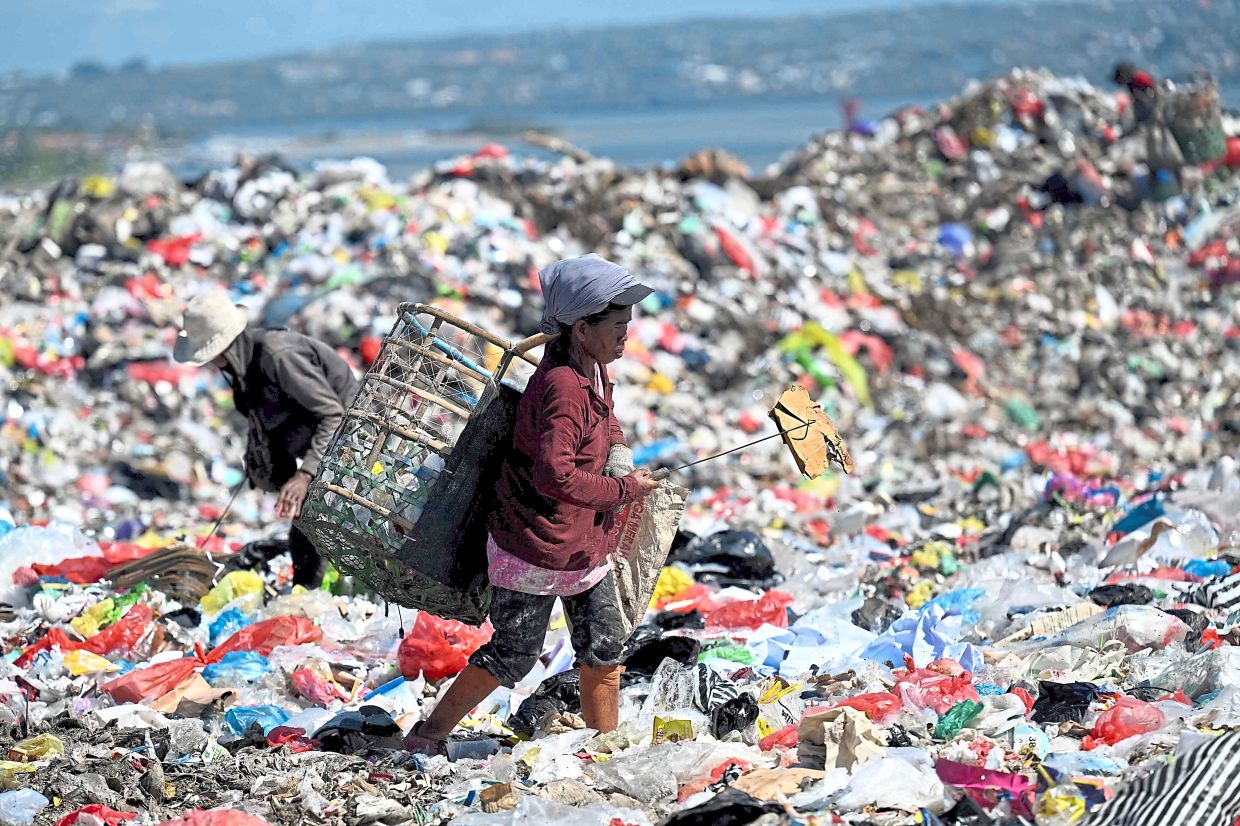
Indonesia has begun construction of its inaugural waste-to-energy facility in Bali, reflecting a strategic pivot in how the archipelago intends to manage its mushrooming waste crisis while generating renewable electricity. The groundbreaking ceremony took place on Wednesday, July 8, in Pedungan Village, South Denpasar, with the project being developed through a partnership between Danantara Investment Management and Daya Energi Bersih Nusantara. The initiative represents the opening chapter of what authorities envision as a national programme to systematically transform municipal solid waste into usable energy, addressing two pressing environmental challenges simultaneously.
Rosan Roeslani, chief executive of Danantara Indonesia, framed the project as a critical response to presidential directives from Prabowo Subianto regarding waste management governance. He emphasised that the nation faces an urgent responsibility to modernise its waste handling infrastructure before the burden of accumulated refuse undermines environmental quality for subsequent generations. This framing positions waste-to-energy not merely as a technical infrastructure solution but as a matter of intergenerational responsibility, resonating with broader sustainability concerns that have gained traction across Southeast Asia in recent years.
The Bali facility will operate using moving grate incinerator technology, a proven methodology deployed extensively across developed nations and certified to meet stringent European Industrial Emissions Directive standards. This technology choice signals Indonesia's commitment to implementing internationally recognised best practices rather than adopting lower-cost but environmentally inferior alternatives. The decision carries implications for regional environmental governance, potentially establishing a template that other Southeast Asian nations grappling with similar waste volumes might observe and emulate.
The environmental benefits attributed to the plant are substantial. Danantara projects that the facility will reduce emissions by up to 80 per cent per tonne of waste relative to conventional open dumping at landfills. Given that Indonesia generates more than 140,000 tonnes of waste daily, even modest deployment of such technology across multiple sites could yield meaningful reductions in methane emissions and leachate contamination that typically plague landfill operations. For Malaysian readers, this development is particularly relevant given that both nations share comparable waste generation challenges and infrastructure deficits.
Beyond environmental metrics, the project carries significant employment implications. The facility is projected to generate up to 1,200 green jobs across construction and operational phases. This jobs component addresses a secondary but important policy objective: transitioning Indonesia's workforce toward cleaner energy and environmental management sectors. The creation of skilled positions in waste management technology could establish a domestic expertise base that enhances regional capacity in what is becoming an increasingly specialised field across Asia.
Crucially, the project has secured a Power Purchase Agreement between state utility PLN and the project company, a development that provides essential long-term commercial certainty for the venture. This contractual framework ensures that electricity generated will have a guaranteed offtake mechanism at predetermined rates, reducing investment risk and demonstrating the government's commitment to underwriting the transition toward cleaner energy infrastructure. Such agreements are fundamental to attracting private capital into environmental projects in emerging markets where revenue uncertainty often deters investment.
The investment architecture itself reflects evolving patterns in how Southeast Asian nations are financing sustainability initiatives. Danantara Investment Management's involvement as lead financier through sovereign wealth mechanisms suggests that Indonesia is mobilising domestic capital sources rather than relying primarily on international development finance. This approach builds local ownership of climate and environmental projects while reducing dependence on external financing conditionality, a consideration that resonates throughout the region.
The waste challenge confronting Indonesia cannot be overstated. With daily generation exceeding 140,000 tonnes, landfill capacity in populated regions faces severe strain, creating public health risks and environmental degradation that particularly affects lower-income communities situated near disposal sites. Waste-to-energy technology offers a partial solution by reducing landfill volume while generating electricity that can offset fossil fuel consumption. However, a single Bali facility will address only a fraction of the national waste stream, indicating that this groundbreaking represents the inception of what must become a far more expansive and distributed infrastructure programme.
Regional observers should note that Indonesia's move toward waste-to-energy technology occurs within a broader Southeast Asian context of mounting waste challenges. Thailand, Vietnam, and the Philippines all face similar pressures, and Indonesia's approach could influence policy discussions across the bloc. Malaysia, which has pursued some waste-to-energy initiatives in recent years, may observe how the Indonesian model develops operationally and financially before considering expanded deployment of comparable facilities domestically.
The project's alignment with presidential direction underscores how waste management has ascended the political agenda in Jakarta. Previous administrations treated waste as a local governance matter with limited federal investment. The explicit presidentially directed mandate communicated through Roeslani's statement indicates that contemporary policymakers recognise waste as a strategic national priority. This elevated political positioning should accelerate approval pathways for subsequent facilities and encourage private sector participation in what has traditionally been an underfunded infrastructure category.
Looking forward, the Bali facility will serve as a performance benchmark. Its operational efficiency, electricity generation capacity, emissions reductions, and job creation outcomes will inform future investment decisions and design specifications for plants planned in Java, Sumatra, and other high-density population centres. International observers from neighbouring nations will likely study the facility's performance data when evaluating their own waste-to-energy programmes. The coming years will reveal whether Indonesia can replicate this model at scale while maintaining environmental and governance standards, a question with implications extending well beyond the archipelago.

