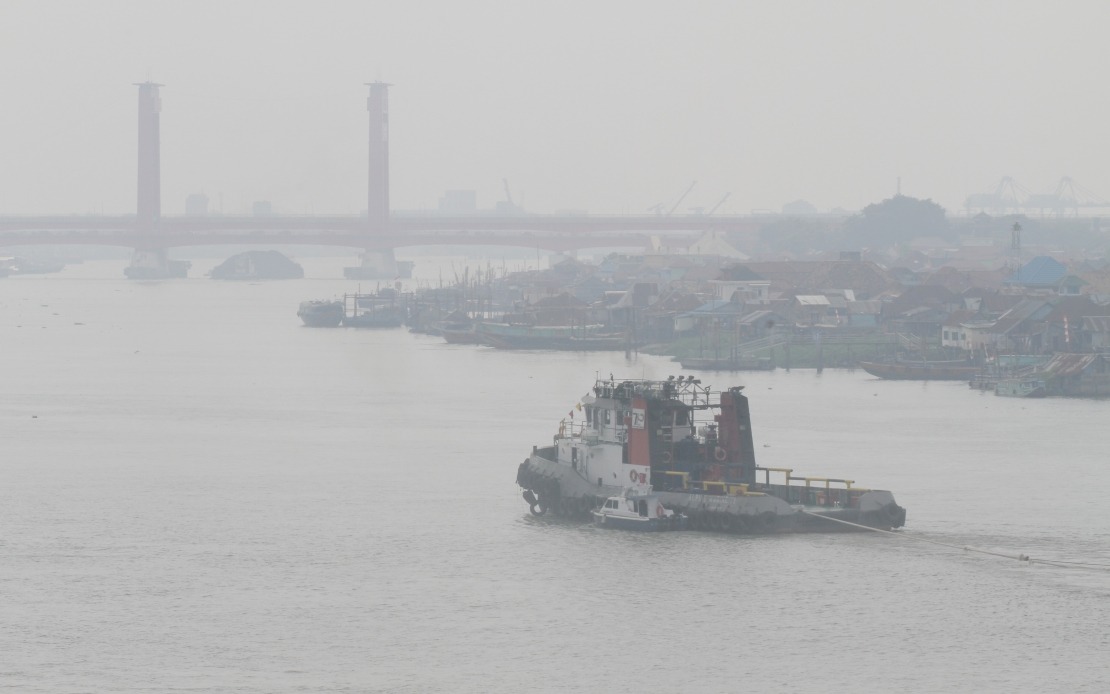
Indonesia has formally acknowledged an active coordination framework with Malaysia to address the recurring transboundary haze problem, marking a significant diplomatic response to the environmental crisis gripping the broader Southeast Asian region. The cooperation extends beyond traditional emergency protocols, with both nations now focusing on weather modification operations in frontier areas as a primary intervention strategy. This development reflects the escalating severity of forest and land fires burning across West Kalimantan, which continue to degrade air quality across the Malaysian side of Borneo and spreading into peninsular states.
The air pollution situation has reached concerning levels, particularly affecting Sarawak where readings on the Air Pollutant Index climbed to 195 by mid-morning on Friday, approaching the very unhealthy threshold of 201 and beyond. Beyond the immediate border region, the haze plume has extended its reach into Kuala Lumpur, Selangor, Penang, Kedah, and Perak, indicating that the smoke has travelled hundreds of kilometres inland across the peninsula. This geographic spread underscores the transnational nature of the crisis and the importance of tackling root causes at source rather than managing symptoms domestically.
Berton Panjaitan, the Acting Head of Indonesia's National Disaster Mitigation Agency Data, Information, and Disaster Communication Centre, outlined the scope of bilateral engagement during a statement to Malaysian news agency Bernama. He emphasised that ongoing diplomatic channels remain active with multiple neighbouring countries, though Malaysia has emerged as a priority partner given the direct impact of West Kalimantan emissions on Malaysian territory. The discussions have crystallised around four key pillars: prevention strategies, real-time monitoring systems, weather modification support, and mechanisms for direct firefighting assistance should circumstances warrant escalation.
A pivotal agreement was reached on August 24 following high-level talks between Malaysian Natural Resources and Environmental Sustainability Minister Datuk Seri Arthur Joseph Kurup and Indonesian Environment Minister Jumhur Hidayat. The accord specifically authorised Malaysian teams to conduct cloud-seeding operations within Indonesian airspace, a sensitive matter involving national sovereignty that represents meaningful diplomatic progress. Cloud seeding, which involves dispersing particles into clouds to accelerate precipitation, has become a standard tool in regional responses to transboundary smoke, though its efficacy remains contested among meteorologists and environmental scientists.
The Indonesian government has not yet received a formal request from Malaysia for advanced firefighting assets such as water-bombing aircraft or aerial support teams. However, Berton indicated receptiveness to such requests should Malaysian authorities determine them necessary, provided they proceed through established cooperative channels and diplomatic mechanisms. This cautious openness reflects the political sensitivity surrounding cross-border military or quasi-military operations in the region, even when deployed for humanitarian environmental purposes. The availability of such resources and willingness to deploy them may depend on resource availability in Indonesia and competing demands elsewhere in the archipelago.
The Malaysian diplomatic presence in Pontianak has provided frontline observations of deteriorating conditions in West Kalimantan itself. Officials noted that the 2024 and 2025 fire seasons passed without significant haze events, making the current outbreak unexpected and severe relative to recent patterns. This year's acceleration suggests either unusually dry conditions, expanded agricultural burning practices, or reduced enforcement of fire prevention regulations. The consulate has implemented protective measures recommended by local authorities, including mandating mask usage among staff, transitioning school operations online where possible, and restricting non-essential outdoor activities.
The 577 Malaysian nationals registered in West Kalimantan, predominantly employed as expatriate workers across the province's commercial and industrial sectors, represent a constituency whose health and safety depends on effective crisis management. Many work in palm oil production, mining, and petroleum-related industries that have significant Malaysian investment. The consulate's primary operational concern centres on ensuring adequate access to medical facilities, respiratory protection equipment, and information about air quality forecasts. Health impacts from prolonged exposure to haze include respiratory infections, exacerbation of asthma and cardiovascular conditions, and long-term lung function degradation, particularly among vulnerable populations including children and elderly persons.
Malaysia has demonstrated commitment to supporting Indonesian firefighting infrastructure in previous cycles. In 2023, the Malaysian consulate in Pontianak supplied six water pumps to the West Kalimantan Governor's Office, representing a practical contribution to ground-level firefighting capacity. Such initiatives establish goodwill and demonstrate recognition that Malaysia has a vested interest in strengthening Indonesia's ability to combat fires at source. However, equipment transfers alone cannot substitute for adequate personnel, training, funding, and political will to enforce regulations against illegal burning and maintain forest surveillance systems.
The pattern of transboundary haze affecting Malaysia and Singapore typically peaks during the dry season months spanning August through November, creating recurring diplomatic challenges and public health emergencies. The affected states in peninsular Malaysia—particularly those in the northern and western regions—have experienced API readings that restrict outdoor activities and strain healthcare systems with pollution-related complaints. Businesses face productivity losses as employees work from home, schools shift to online instruction, and construction projects pause due to visibility concerns. The economic calculus of addressing haze through bilateral cooperation versus accepting recurrent crises weighs heavily on both governments' policy priorities.
The coordination mechanism described by Indonesian officials suggests institutional learning from previous haze episodes and recognition that unilateral action proves insufficient given the transnational character of atmospheric pollution. Weather modification operations require advance planning, coordination of flight operations, meteorological data sharing, and agreement on target zones. Success depends on sustained diplomatic engagement alongside technical cooperation. However, sceptics question whether weather modification genuinely addresses wildfire sources or merely displaces smoke temporally and geographically, raising questions about whether this approach represents genuine problem-solving or political theatre designed to demonstrate action to affected publics.
For Malaysian policymakers, the August 24 accord and subsequent coordination represent necessary diplomatic groundwork, yet outcomes ultimately depend on Indonesia's capacity and commitment to suppress fires in West Kalimantan. Land use policies, agricultural practices, corporate accountability, and enforcement resources in Indonesia directly determine whether Malaysian air quality improves. The bilateral framework provides channels for pressure and assistance, but cannot override Indonesian sovereignty or substitute for domestic political will. Malaysia's strategy balances support for Indonesian efforts with preparation for likely future haze episodes, including maintaining stockpiles of protective equipment and contingency plans for school and business disruptions.
The timing of this year's haze crisis, occurring during the regional monsoon transition period, intersects with broader Southeast Asian climatic patterns and global climate change dynamics that are altering precipitation patterns and extending dry seasons. Scientists have documented that climate shifts are making certain regions more susceptible to fires and reducing natural suppressant effects of seasonal rainfall. This suggests that transboundary haze problems may intensify rather than diminish in coming decades unless fundamental approaches to land management, agricultural burning practices, and fire prevention infrastructure across the region undergo significant transformation. Cooperation between Malaysia and Indonesia provides essential short-term mitigation, but addressing root causes requires sustained regional commitment and potentially transformed economic incentive structures around land use.

