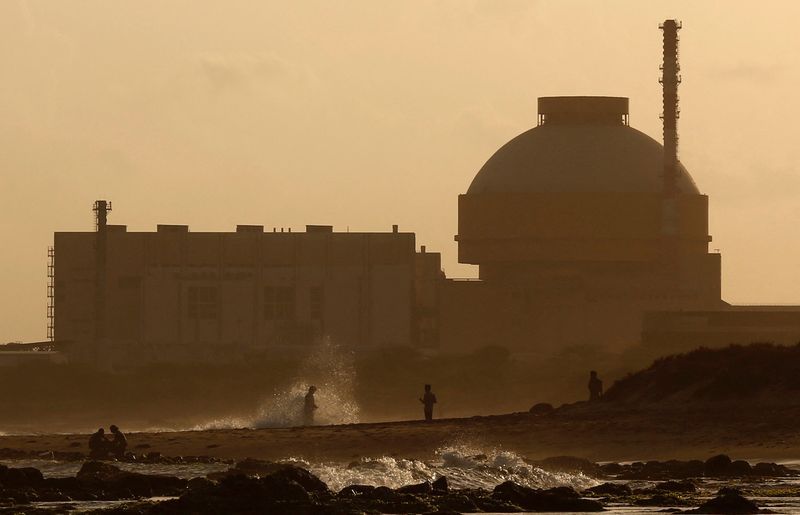
A sophisticated ransomware operation has made public a substantial collection of sensitive documentation from Kudankulam Nuclear Power Plant, India's premier atomic facility located in Tamil Nadu, marking a significant breach of national security infrastructure. The World Leaks gang, known for previous attacks against major international corporations, uploaded nearly 20,000 files extracted from servers belonging to Reliance Group, a primary contractor involved in the plant's expansion. The exposed materials encompass architectural designs for ventilation and cooling systems serving the facility's under-construction third and fourth units, internal security assessments, equipment specifications, and comprehensive supplier networks alongside insurance documentation—precisely the type of granular operational intelligence that malicious actors could leverage to identify systemic vulnerabilities.
The Kudankulam installation occupies critical importance within India's energy infrastructure and features centrally in Prime Minister Narendra Modi's strategy to substantially increase the nation's nuclear generation capacity. As the country's most substantial atomic power station among seven operational nuclear facilities, it represents India's commitment to expanding clean energy production whilst demonstrating technological sophistication on the international stage. The twin units under development, designated Unit 3 and Unit 4, represent substantial capital investment with combined generation capacity projected at 2,000 megawatts upon operational commencement scheduled for 2027. Reliance Infrastructure secured the substantial construction and design contract in 2018, positioning the conglomerate as integral to this strategically significant national undertaking.
Reliance Group disclosed that unauthorized access occurred through servers maintained by third-party data centre operator Yotta, a privately held Indian infrastructure service provider. The corporation characterized the incident as a "partial breach" and confirmed notification to relevant government authorities, though it declined revealing specific details regarding compromised data categories. Yotta's technical team identified suspicious network activity materializing on May 29, immediately terminating the unauthorized connection and preventing what appeared to be ransomware deployment. However, Reliance Infrastructure subsequently informed Yotta in late June of external threat actors claiming successful data exfiltration, creating ambiguity about the precise scope and timing of the security failure.
Nuclear security specialists express substantial concern regarding the incident's potential consequences for facility safety protocols. Nickolas Roth, senior director at the Nuclear Threat Initiative, an organization advising governments on atomic security preparedness, characterized the breach as presenting "serious" safety implications. The exposed documentation, whilst not encompassing the nuclear reactors' core systems supplied by Russia's state-owned Rosatom, provides detailed intelligence about peripheral infrastructure—specifically ventilation and cooling mechanisms essential for safe reactor operation. Threat researchers indicate that malicious actors possessing floor layouts of the central control facility alongside vendor identification information could systematically map security architecture, identify operational weaknesses, and construct detailed profiles of personnel access patterns throughout the installation.
The incident represents the second cybersecurity compromises affecting the Kudankulam facility in recent years, underscoring persistent vulnerabilities in India's nuclear infrastructure protection. In 2019, malware attributed to North Korean hacking operations was detected within the plant's administrative network systems, though authorities maintained that core reactor operations remained unaffected. This recurring pattern suggests systemic deficiencies in defensive cybersecurity protocols and perimeter security implementation rather than isolated technical failures. The Nuclear Power Corporation of India, responsible for commissioning and operating national atomic installations, is currently coordinating with Reliance regarding the breach, whilst India's primary cybersecurity authority, CERT-In, undertakes independent investigation of the incident.
The World Leaks organization operates as a sophisticated criminal enterprise employing a business-like ransom model: extracting corporate data, demanding payment, and subsequently publishing materials on the dark web when victims decline financial settlement. The group recently demanded $1.5 million from Tata Group for confidential component specifications belonging to clients including Apple and Tesla, publishing the materials after what it characterized as Tata's refusal to negotiate. The organization has previously targeted major multinational corporations including Nike, demonstrating consistent operational capability and willingness to publicize sensitive documentation affecting global supply chains. The presence of 858,000 total Reliance files on World Leaks' server, with 19,000 specifically relating to Kudankulam operations, suggests extraordinarily comprehensive data compromise extending far beyond the nuclear facility context.
India's cybersecurity landscape presents considerable systemic vulnerability, with the nation now ranking third globally for data breaches according to cybersecurity analysis firm Surfshark, lagging only the United States and France in accounts compromised annually. Last year approximately 28.9 million Indian accounts were subject to unauthorized access, reflecting both the volume of cyber criminal targeting and the inadequacy of defensive infrastructure. Research conducted by the Data Security Council of India in collaboration with cybersecurity specialists Seqrite revealed disturbing organizational ignorance: among 204 surveyed businesses nationwide, approximately 73 percent demonstrated uncertainty regarding whether their systems had previously experienced successful attacks, whilst 57 percent acknowledged lacking fundamental cyber hygiene practices. This combination of inadequate awareness, insufficient defensive posturing, and systemic vulnerability creates conditions where critical infrastructure remains exposed to exploitation by sophisticated criminal operations.
The publication of Kudankulam-related documentation carries implications extending beyond India's borders, affecting regional security calculations and energy sector vulnerability assessments throughout South Asia and Southeast Asia. Any detailed architectural intelligence regarding nuclear facility operations, personnel access patterns, and supplier dependencies provides potential adversaries comprehensive understanding of critical infrastructure characteristics. Nuclear Threat Initiative researchers emphasize that threat actors could exploit such documentation to identify which systems individual personnel access, potentially enabling social engineering campaigns targeting specific employees or supply chain corruption strategies targeting identified vendors. For Malaysia and broader regional observers, the incident demonstrates how interconnected global energy infrastructure remains vulnerable to criminal exploitation and underscores necessity for strengthened cybersecurity protocols across critical infrastructure installations.
The Indian government's response demonstrates apparent institutional lethargy, with the Department of Atomic Energy declining comment, Modi's office providing no response to inquiries, and Nuclear Power Corporation Chairman Rajesh Veeraraghavan declining to address the matter publicly. This communication vacuum creates information vacuums susceptible to misinterpretation and suggests prioritization of public relations management over transparent security assessment. Reuters journalists reviewing the exposed documents, whilst unable to definitively authenticate all materials, confirmed dating spanning 2016 through mid-2025, indicating sustained breach duration or delayed detection. Meeting records, inspection documentation, equipment reviews, and insurance policies detailing $112 million terrorism liability coverage for either construction unit collectively paint a comprehensive operational picture accessible to criminal actors and potentially hostile intelligence services.
The insurance documentation itself warrants analytical attention, revealing institutional recognition of terrorism risk sufficiently substantial to justify substantial premium expenditure. This suggests facility operators and government planners acknowledge significant threat environments whilst simultaneously maintaining cybersecurity practices demonstrating conspicuous inadequacy. The juxtaposition between acknowledged high-risk operational contexts and demonstrable security failures across multiple years suggests organizational and governmental processes failing to appropriately translate risk assessment into proportionate defensive resource allocation. For Southeast Asian nations developing nuclear energy ambitions or managing critical infrastructure, the Kudankulam incident provides cautionary illustration of how organizational complacency regarding cybersecurity threatens national security objectives regardless of facility technological sophistication or governmental investment levels.
Looking forward, the incident necessitates comprehensive institutional assessment regarding how India manages cybersecurity governance for critical national infrastructure, particularly atomic facilities requiring extraordinary protective measures. Whether Reliance Group possessed adequate security protocols, whether Yotta provided appropriate protective standards, and whether government oversight mechanisms functioned effectively all require transparent examination. The Australian Institute for Nuclear Science and Engineering and regional energy security observers will monitor whether India implements meaningful structural reforms, whether international suppliers including Russia's Rosatom adjust their facility security protocols, and whether regional competitors utilize the exposed intelligence for strategic advantage. For Malaysia's own critical infrastructure development, the incident underscores imperative for establishing cybersecurity governance frameworks substantially more rigorous than currently demonstrated across Indian institutional contexts.

