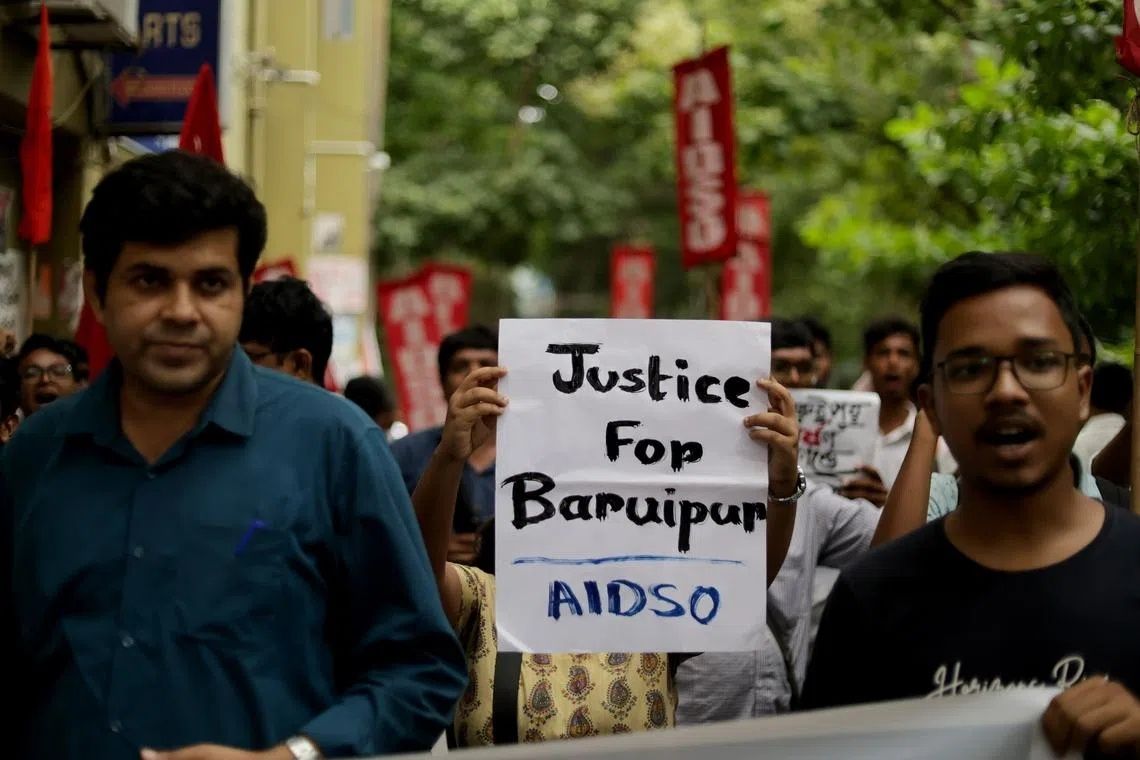
Authorities in India's eastern state of West Bengal have arrested dozens of people for their involvement in destructive protests following the discovery of an 11-year-old girl's body in Baruipur, a city approximately 30 kilometres south of Kolkata. The child disappeared on July 4 and was found in a pond the next day, triggering an eruption of public anger that manifested in roadblocks and the burning of vehicles across the region. Police confirmed on Friday July 10 that they had detained 35 individuals for violence and property damage, with investigators working through video footage circulating on social media to identify additional participants in the unrest.
The scale and intensity of the public response underscores the profound frustration residents feel toward law enforcement's ability to protect vulnerable populations. During the chaotic days following the discovery, an innocent bystander was killed by vigilante groups acting within the protesting crowds—a tragic consequence that police disclosed while attempting to restore order in the affected areas. Senior West Bengal police officer Arvind Kumar Anand acknowledged the investigation's ongoing nature, stating that officers continue to cross-reference digital evidence to locate those still at large.
The investigation into the girl's death has produced arrests of four men accused of the rape and murder. In a dramatic development that reflects India's contested relationship with extrajudicial action, police shot dead one suspect, Prabhas Mondal, in the early hours of July 8. According to official accounts, Mondal was fatally wounded while attempting to flee during a supervised visit to the crime scene, a procedure typically undertaken during criminal investigations. The circumstances surrounding the shooting have not been elaborated upon by authorities, raising questions that resonate with longstanding concerns about police conduct in India.
Mondal's mother made a striking public statement through a television interview, refusing to accept her son's body and declaring that he deserved the punishment he had received. Her statement—"The sin committed by my son, he has received punishment for it"—reflects the moral weight such crimes carry within Indian society, even among the families of the accused. This extraordinary disavowal by a close relative speaks to the revulsion triggered by sexual violence against children, a revulsion that transcends typical family loyalties and demonstrates how such crimes fracture social bonds.
Complications have emerged regarding the identities and guilt of the other three detained men. Indian news outlets reported that relatives of one suspect claim he was arrested due to mistaken identity, though this assertion remains unverified and no formal legal challenge appears to have proceeded. The families of the remaining two accused have made no public statements regarding their sons' involvement or innocence, leaving significant ambiguity about whether all four arrests represent genuine perpetrators or whether investigative errors have occurred.
Political leadership in West Bengal has seized upon the case to project an image of decisive governance. Suvendu Adhikari, who assumed office as chief minister following the Bharatiya Janata Party's electoral victory in state polls last May, declared through social media that his administration would show "no leniency" toward perpetrators of sexual violence or toward those who participate in mob justice killings. His assertion that the government would pursue such cases "to the fullest extent of the law" attempts to address public anxiety while simultaneously distancing the administration from accusations of complicity or inaction.
The case has revived a persistent national conversation about gender-based violence and institutional failure in India. Despite legislative reforms enacted following the 2012 Delhi gang rape and murder—in which four men were eventually executed—violent crimes against women and girls continue at alarming rates. The 2012 case sparked nationwide mobilization and led to enhanced legal frameworks designed to expedite prosecutions and increase penalties, yet such legislative measures have demonstrably failed to deter offenders or prevent recurrence of similarly heinous crimes.
West Bengal itself has experienced heightened international attention regarding women's safety following a separate high-profile incident in 2024. The rape and murder of a trainee doctor at Kolkata's RG Kar Medical College and Hospital provoked nationwide protests and became a focal point for discussions about institutional inadequacy and the vulnerability of women in professional environments. That case demonstrated how even educated women in secure employment face catastrophic risks, expanding the discourse beyond street safety or impoverished communities to encompass institutional cultures and professional hierarchies.
For Malaysian and Southeast Asian observers, these developments offer cautionary insights into how societies grapple with violent crime when institutional trust erodes. The contrast between state-sanctioned police action and vigilante violence—both visible in the West Bengal situation—illustrates how public confidence in law enforcement institutions shapes community responses to crime. When citizens lose faith that official channels will deliver justice, they increasingly resort to extrajudicial measures, creating cycles of violence that compromise both investigative integrity and the rule of law itself.
The intersection of gender-based violence, police accountability, and public order remains unresolved across the Indian subcontinent. While political leaders invoke legislative frameworks and promises of enforcement, the underlying patterns persist. The arrest of 35 protest participants, while addressing public disturbance, does not address the fundamental question of why such crimes occur or how institutional failures enable perpetrators. This recurring narrative—crime, protest, arrests, political statements, and then cyclical repetition—suggests that India continues to treat symptoms rather than addressing root causes of violence against women and children.

