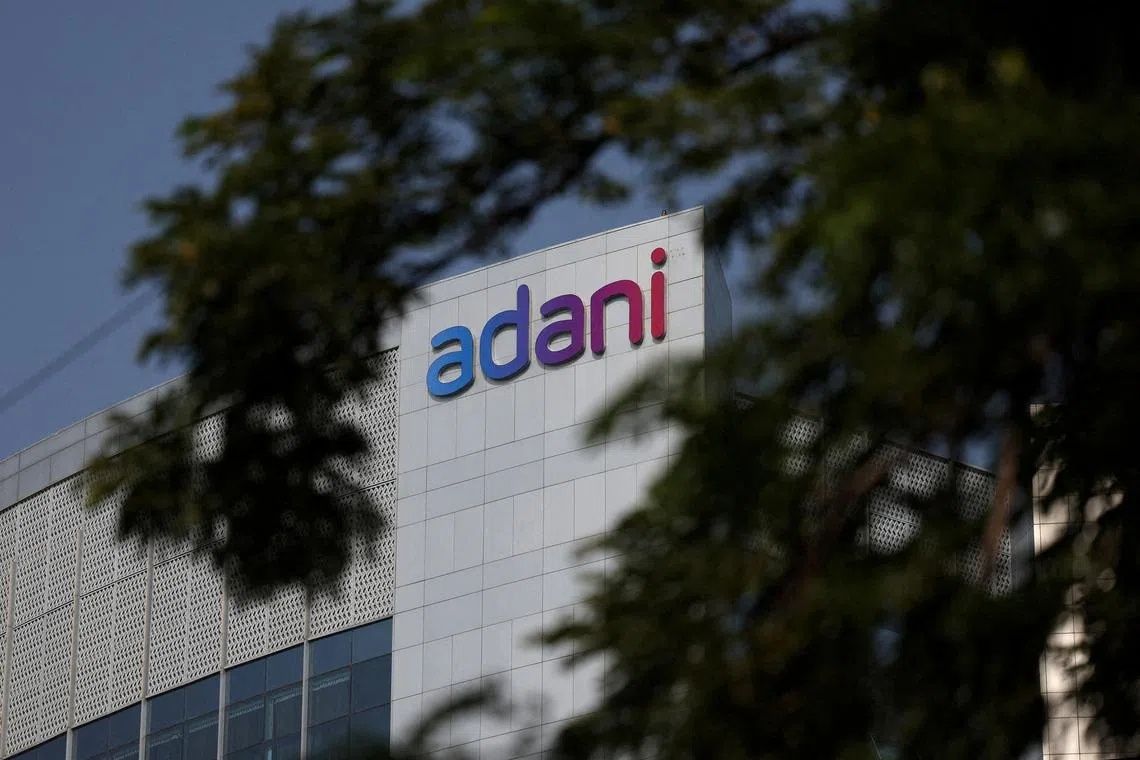
India's customs department has thrown its weight behind the country's health ministry in a regulatory showdown with the Adani Group over the unauthorized sale of nicotine pouches at airport duty-free outlets. The intervention represents a significant escalation in the dispute, with government authorities now moving in tandem to block what they view as an end-run around tobacco regulations that have kept these fast-growing nicotine products off the Indian market entirely.
The dispute centres on Mumbai International Airport, where health inspectors discovered in March that Adani's duty-free shops were stocking nicotine pouches—a product category that remains unapproved for sale in India. The health ministry promptly moved to shut down the practice, treating it as a violation of domestic law. However, Adani has contested the decision before Mumbai's High Court, claiming that goods sold in the international departure zone exist in a regulatory grey zone where duty-free status overrides ordinary consumer protection rules.
In a filing submitted to the court on June 22, customs authorities rejected this interpretation outright. The department articulated a fundamental principle of Indian regulatory law: tax-advantaged status does not confer immunity from health and safety oversight. "The concept of goods being 'outside customs frontiers' for taxation purposes does not grant immunity from regulatory controls," the customs submission stated, underscoring that duty-free designation is purely a fiscal mechanism with no bearing on which products are legally permitted for consumption within Indian territory.
Adani's legal strategy rests on the premise that duty-free purchases represent a transitional state—goods that depart India in sealed packaging and are consumed only after crossing international borders. In July filings, the company maintained that passengers acquire these products under an implicit legal framework where consumption occurs outside India's jurisdiction. This interpretation, if accepted, would effectively create a loophole permitting the sale of banned substances to Indian residents at the point of departure. The company also criticized customs for ordering cessation of sales without issuing formal warning notices, suggesting procedural irregularity in the enforcement action.
But customs authorities dismissed this logic as fundamentally flawed. Once passengers take possession of duty-free goods, they argued, nothing prevents—or practically can prevent—those individuals from opening and consuming the products while still on Indian soil. The regulatory distinction between purchase location and consumption location collapses in practice, rendering Adani's legal argument untenable from a public health perspective. This creates a direct conflict between how corporate interests frame commercial arrangements and how regulators understand consumer behaviour.
Nicotine pouches represent one of the world's fastest-expanding segments within the broader nicotine market, with products like Philip Morris's Zyn brand experiencing explosive growth in jurisdictions where they are approved. Philip Morris reported that Zyn sales in the United States doubled in 2024 compared with the previous year, reflecting surging consumer demand particularly among younger demographics attracted to smokeless consumption methods. India's health authorities have resisted approving these products, viewing them as a gateway nicotine delivery system that circumvents hard-won tobacco control measures.
For the Adani Group, nicotine pouches represent a strategic component within a broader commercial expansion. The conglomerate operates eight airports across India and is pursuing an ambitious 11 billion-dollar expansion programme that positions duty-free retail as a significant revenue driver. Since August, Adani's airport subsidiary has already imported Zyn and White Fox brands from Swedish Smokeless Solutions, with shipments exceeding 35,000 dollars in value. These imports suggest the company anticipated regulatory approval or intended to proceed despite health ministry objections.
The timing and scale of these imports underscore the commercial stakes involved. Rather than viewing nicotine pouches as a marginal product category, Adani appears to be treating them as an emerging consumer category with substantial profit potential in India's growing middle class. However, this business calculation collides directly with India's public health agenda, where tobacco control remains a priority despite the growing global normalization of smokeless nicotine products.
The legal dispute carries implications extending beyond Adani's immediate commercial interests. A ruling in favour of the company would establish that duty-free retail zones operate under distinct regulatory regimes, potentially enabling the sale of other unapproved or restricted products through these channels. Conversely, a judgment supporting the health and customs authorities would reinforce the principle that Indian law applies uniformly regardless of duty-free status, closing what government agencies view as an unacceptable loophole.
For Malaysia and other Southeast Asian nations, this case offers instructive lessons about the intersection of commercial interests and regulatory authority. As multinational corporations increasingly test the boundaries of national regulations—particularly around emerging product categories—the Indian dispute illustrates how agencies must coordinate to prevent sophisticated corporate structures from fragmenting oversight. The case also reflects broader tensions between global consumer trends and national public health priorities that remain unresolved across the region.
The Mumbai High Court is scheduled to hear arguments on July 28, when the full legal positions of both sides will be presented before judges who must reconcile the commercial freedoms associated with duty-free retail against the state's responsibility to protect public health. The decision will shape not only Adani's ability to market nicotine pouches through airport channels but also establish precedent for how Indian courts interpret the relationship between tax privileges and regulatory obligations—a distinction with ramifications well beyond this single corporate dispute.

