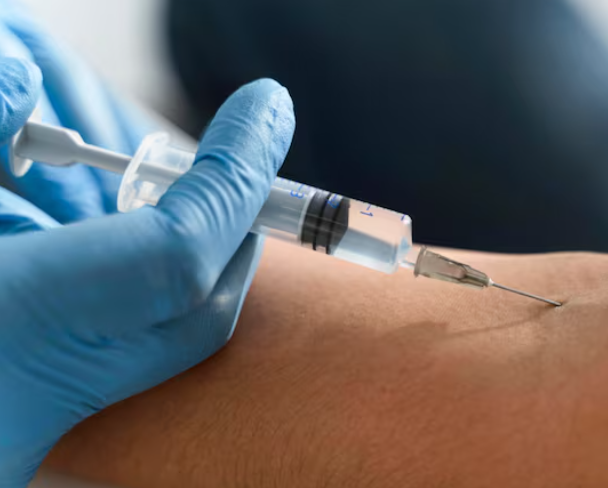
A 32-year-old nurse employed at a private hospital in Telangana's Nizamabad district has been arrested on suspicion of killing her husband through a calculated medical attack. The woman, identified as Sandhya, allegedly injected toilet cleaning liquid mixed with crushed sedatives directly into her husband's intravenous line on June 30, resulting in his death. The victim, Dayini Prashanth, 35, had survived a prior murder attempt just days earlier, making this case a stark example of premeditated homicide.
Prashanth's death came to light only after his mother grew suspicious of the circumstances surrounding his rapid decline in health. She filed a formal complaint that prompted police to investigate further, ultimately uncovering what authorities describe as a deliberate conspiracy involving multiple participants. The investigation revealed a deeply troubled marriage complicated by infidelity, financial stress, and marital discord that escalated into a fatal scheme.
According to police reconstructions of events, Sandhya's motive centred on her desire to continue an extramarital relationship with a man named Anil, 35, who had been her romantic partner. She reportedly viewed her husband's unexpected return to India as a severe threat to this affair. Prashanth had spent two years working in the Gulf region but decided to remain in India permanently beginning June 27, a decision that Sandhya saw as an obstacle to her continued involvement with Anil. To facilitate her plans, she enlisted the assistance of Anil's friend, Venkat Sai, commonly known as Bunty, creating a three-person conspiracy.
The first murder attempt on June 29 followed a pattern designed to appear accidental. According to police statements, Sai deliberately visited Prashanth's residence and deliberately intoxicated him with large quantities of alcohol. Once Prashanth was substantially inebriated, Sai escorted him to the building's terrace and pushed him off the structure at Sandhya's direction, delivered remotely by telephone. Remarkably, Prashanth survived this fall despite sustaining serious injuries, an outcome that forced the conspirators to adapt their strategy rather than abandon it.
Sandhya's response to this unexpected survival demonstrated her level of commitment to the murder plan. She manipulated her injured husband into believing the terrace fall had been purely accidental, attributing it to his drunken state. She then orchestrated his hospital admission to a government facility for treatment of his injuries. This manoeuvre served a dual purpose: it provided legitimate medical documentation of his injuries while positioning her as a caring spouse. Subsequently, the family transferred Prashanth to a private hospital before ultimately bringing him home for continued recovery, during which Sandhya saw an opportunity to execute her ultimate plan.
The medical expertise Sandhya had acquired through her nursing training became the instrument of her husband's death. Once Prashanth was home recovering from his fall injuries, Sandhya announced her intention to administer intravenous fluids herself, a decision that went unchallenged given her professional background. On June 30, she injected a deadly combination of toilet cleaning liquid and powdered sleeping medication through a cannula directly into his bloodstream. She further accelerated his death by pushing him from his cot, ensuring that the poisoned fluid would circulate rapidly through his system. Within hours, the toxic injection proved fatal.
Initially, Sandhya attempted to frame her husband's death as a natural consequence of the injuries sustained during his rooftop fall. She portrayed his deterioration as an inevitable result of his physical trauma and claimed he had gradually weakened over the days following his discharge from hospital. This narrative might have succeeded had it not been for Prashanth's mother, who maintained separate residence and maintained enough emotional distance to view the sequence of events with critical scrutiny. Her suspicions about the rapidly fatal nature of her son's decline, combined with the unusual circumstances of his two injury events in quick succession, prompted her to alert authorities.
The case highlights the vulnerability of patients in domestic settings, particularly when family members possess medical training and access to healthcare equipment. Sandhya's position as a trained nurse gave her knowledge of drug interactions, medical procedures, and the appearance of legitimacy that allowed her to administer the fatal injection without immediate suspicion. The use of household chemicals as a murder weapon demonstrates how easily accessible toxins can be weaponised by individuals with medical understanding of how to deliver them effectively into a victim's body.
This incident carries implications for medical professionals and hospital administrators across South Asia regarding background checks, psychological evaluations, and ethical oversight of nursing staff. The case also underscores how domestic violence and infidelity, when combined with access to medical means, can escalate to extreme consequences. For Malaysian readers, this serves as a cautionary reminder about the importance of family oversight regarding healthcare decisions made at home, particularly when relatives possess medical qualifications that might lend false legitimacy to unusual medical interventions.
The arrest of Sandhya marks the beginning of judicial proceedings that will likely examine her premeditation, the degree of culpability shared by her co-conspirators, and the adequacy of protections for vulnerable patients at home. Indian authorities have indicated they are building a comprehensive case against all three alleged conspirators. The investigation continues to unfold, with police examining communications, financial records, and witness statements to establish the full scope of planning and execution.

