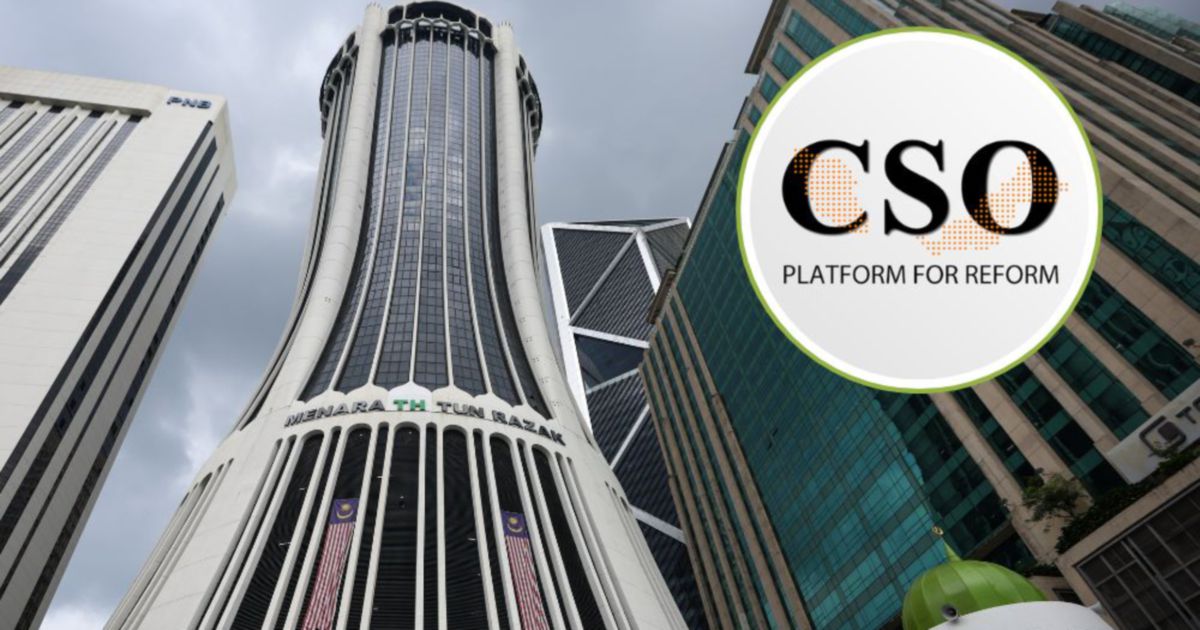
Civil society organisations have intensified calls for a comprehensive and independent investigation into the institutional failures at Lembaga Tabung Haji (TH) in the aftermath of the Royal Commission of Inquiry's damning report. The CSO Platform for Reform has spearheaded this push, arguing that only a thorough, transparent probe conducted outside existing institutional structures can adequately address the extent of mismanagement and systemic weaknesses exposed by the RCI's findings.
The Tabung Haji pilgrimage fund has long held a sacred position in Malaysian society, managing hundreds of millions of ringgit belonging to Muslim Malaysians saving for their hajj journey. The fund's institutional crisis therefore carries profound implications beyond mere financial concern, touching the religious aspirations and life savings of ordinary Malaysian families. When the RCI report revealed significant governance failures and improprieties, it shattered public confidence in an organisation entrusted with such momentous responsibilities.
Civil society advocates contend that a conventional internal review or ministerial inquiry would lack the necessary independence to deliver accountability that resonates with the public and hajj contributors. They argue that only an investigation genuinely separated from political and bureaucratic influence can command credibility and produce findings that Malaysians will accept as fair and unbiased. This demand reflects broader frustrations with institutional accountability mechanisms in the country, where investigations into high-profile failures are often perceived as shielding powerful interests.
The push for comprehensive investigation signals recognition that the RCI report, while providing crucial findings, represents merely the first step in a longer process of institutional reform. Civil society groups understand that identifying failures is insufficient without concrete mechanisms to prevent recurrence and hold individuals responsible for breaches of fiduciary duty. They seek not only accountability for past actions but also structural changes that would prevent similar institutional rot from developing in future.
The transparency element proves equally critical to civil society advocates, who insist that findings and proceedings must remain visible to the public and the affected community of hajj savers. Secretive investigations conducted behind closed doors, regardless of technical competence, would leave room for scepticism about whether uncomfortable truths were concealed or uncomfortable people protected. For an organisation managing funds belonging to millions of ordinary Malaysians, public transparency becomes non-negotiable.
This intervention by civil society reflects the complex nature of the Tabung Haji challenge. While government authorities have acknowledged the RCI's findings and announced reform initiatives, critics worry that institutional pressures and political considerations may dilute genuine accountability. Civil society organisations serve as a counterweight to these pressures, maintaining public focus on systemic reform rather than allowing the issue to fade from public consciousness as new crises emerge.
The call also highlights important questions about institutional governance within Malaysia's public sector more broadly. Tabung Haji's failures were not merely technical accounting errors but stemmed from governance structures that failed to prevent, detect, or respond adequately to problematic conduct. These systemic weaknesses offer lessons applicable to other state institutions and statutory bodies managing public resources or entrusted with important functions. An independent investigation could establish precedent for how Malaysia addresses institutional failure in organisations enjoying special status.
Malaysian observers note that such calls from civil society have occasionally prompted government response in the past, particularly when they command sufficient media attention and public backing. However, the government must navigate competing pressures: accountability demands from civil society groups versus institutional sensitivities and concerns about international financial implications if findings become too destabilising. How policymakers balance these tensions will signal their commitment to genuine reform versus damage control.
The Tabung Haji controversy arrives at a moment when Malaysian institutions face heightened scrutiny and public expectations for accountability have measurably increased. Younger Malaysians particularly demonstrate less deference to institutional authority and greater demand for transparency. An independent investigation satisfying these raised expectations could rebuild public confidence, while a narrower or less transparent process risks deepening scepticism about institutional accountability more broadly.
For hajj contributors and their families, the stakes remain intensely personal. Many view their Tabung Haji contributions as a sacred obligation and spiritual commitment, making institutional failures feel like profound betrayal rather than abstract governance lapses. This emotional dimension reinforces civil society arguments that any investigation must be visibly independent and publicly accountable, not merely technically competent but politically insulated. The coming weeks will reveal whether policymakers recognise the extent to which institutional credibility now depends on meeting these elevated expectations for transparency and independence.

