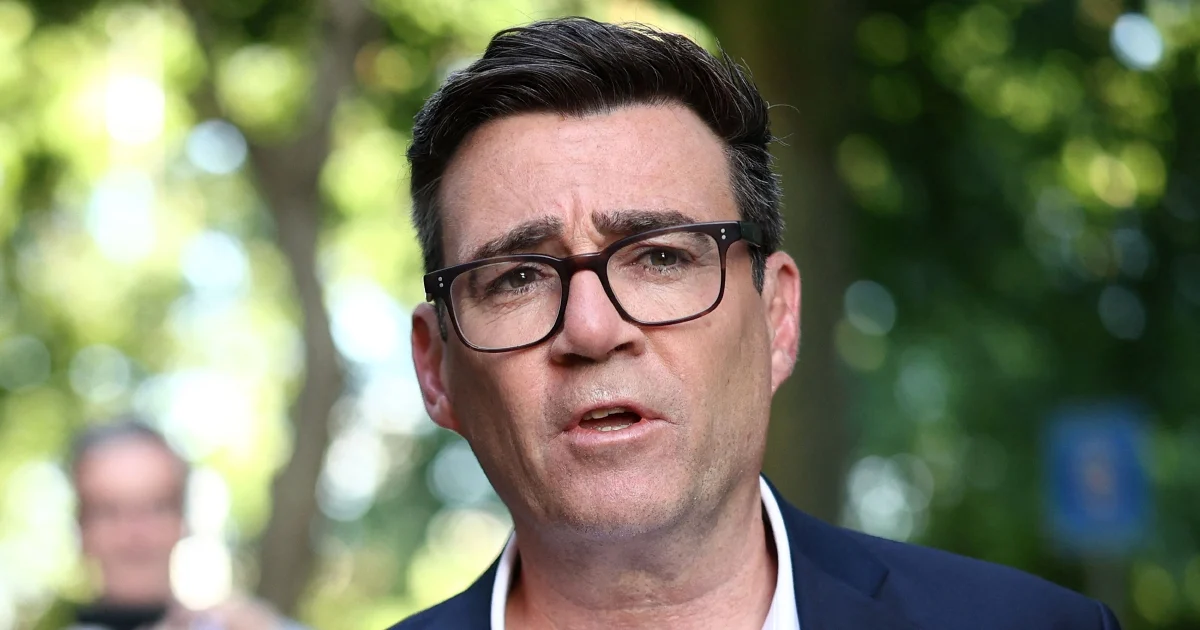
Andy Burnham, positioned to assume the role of British prime minister within the coming week, has signalled that comprehensive security arrangements for members of parliament require urgent attention. The call came on Tuesday as the nation continued to grapple with the fatal incident involving former lawmaker Ann Widdecombe, which occurred in the preceding days and has reignited scrutiny of how Britain safeguards its elected representatives.
The tragic circumstances surrounding Widdecombe's death have prompted fresh questioning about the adequacy of existing protective measures for MPs. Burnham's intervention carries particular weight given his imminent transition to the highest office, suggesting that enhanced parliamentary security will feature among the priorities of the incoming administration. His remarks underscore growing concerns within Westminster that current protocols may be insufficient to address emerging threats facing legislators.
For Malaysian observers, this development reflects challenges that transcend geographical boundaries. Across the Commonwealth and internationally, elected officials face escalating security risks ranging from political extremism to random violence. The vulnerability of public representatives in established democracies like Britain underscores that threats to parliamentary institutions remain persistent concerns globally, regardless of a nation's institutional maturity or democratic traditions.
The incident involving Widdecombe, a prominent Conservative MP and public figure known for her outspoken positions on various policy matters, has catalysed debate about whether parliamentarians can effectively represent constituents while maintaining reasonable personal safety. The tension between accessibility and security presents a genuine dilemma for democracies committed to maintaining close ties between elected representatives and their communities.
Burnham's forthcoming administration will inherit responsibility for determining what form this security review should take. The scope could encompass physical protection at parliamentary precincts, enhanced vetting procedures for public interactions, improved threat assessment protocols, and revised training for parliamentary security personnel. Each element carries implications for how MPs conduct their duties and interact with constituents.
The timing of this proposal proves significant. As Burnham prepares to take office, establishing a clear commitment to legislative security demonstrates responsiveness to public safety concerns whilst signalling institutional stability. In Southeast Asian contexts where parliamentary security sometimes generates controversy, the British approach offers instructive parallels regarding balancing protection with democratic openness.
Widdecombe's prominence made her case particularly visible, but security vulnerabilities affect MPs across all levels of seniority and party affiliation. Backbench legislators, particularly those representing contentious constituencies or holding views that generate strong public reactions, often operate with minimal protective infrastructure. A comprehensive review would necessarily address inequities in current arrangements.
Parliamentary security in Britain has historically operated on assumptions rooted in centuries-old traditions emphasising relatively open access to democratic institutions. However, contemporary threat landscapes—encompassing ideological extremism, individual instability, and opportunistic violence—have strained these assumptions. The question facing policymakers involves updating security frameworks without fundamentally compromising the character of accessible democratic institutions.
For regional context, Southeast Asian parliaments have grappled with similar challenges, sometimes implementing robust security measures that spark criticism regarding democratic character. The British approach, whatever form the review ultimately takes, may offer guidance regarding preserving parliamentary accessibility whilst addressing genuine safety imperatives.
Stakeholders across the political spectrum appear likely to support examining security protocols, given the non-partisan nature of the threat environment. Conservative and Labour MPs alike recognise vulnerability to various categories of threat. The review process itself could establish common ground among competing parties, focusing on institutional security rather than partisan advantage.
Burnham's intervention also reflects international trends. Western democracies increasingly scrutinise security arrangements for elected representatives following incidents in the United States, European countries, and elsewhere demonstrating that modern threats demand sophisticated responses. Britain's review will likely draw on comparative international experience whilst accommodating specifically British institutional contexts.
Implementing enhanced security measures will require careful calibration. Excessive restrictions could undermine the parliamentary character that makes democratic representation meaningful, whilst insufficient measures leave elected officials exposed. Burnham's incoming government faces the substantive challenge of designing arrangements that substantially improve safety without transforming Westminster into a fortified installation.
The coming weeks will reveal whether this review process becomes a genuine reassessment generating meaningful security improvements, or whether existing arrangements persist with minor modifications. The outcome will carry significance beyond British shores, influencing international thinking regarding parliamentary protection in democratic societies.

