The government's People's Income Initiative has delivered tangible results in its battle against poverty, reaching 7,787 households since its introduction nearly three years ago, the Economy Ministry confirmed this week. The scale of this intervention underscores the administration's commitment to supplementing existing poverty-reduction schemes with a targeted initiative designed specifically to tackle food insecurity, generate employment pathways, and reduce the financial pressure bearing down on vulnerable Malaysian families.
Official statements from the Economy Ministry characterise the programme's reception and outcomes as genuinely encouraging, suggesting that policymakers view the initiative as a success worth maintaining and potentially expanding. The fact that participants have already begun climbing out of the poverty trap—with several earning monthly incomes surpassing RM2,000—indicates that the scheme addresses a real economic need. For context, this income level represents a meaningful threshold for households in Malaysia seeking stability and basic dignity.
The initiative comes at a critical juncture for Malaysia's economy. As cost-of-living pressures mount for ordinary citizens and employment prospects remain volatile in certain sectors, targeted income support provides both immediate relief and longer-term dignity. Unlike cash transfers alone, programmes designed to create lasting job opportunities hold the potential to break generational poverty cycles, which remains a pressing concern across Southeast Asia.
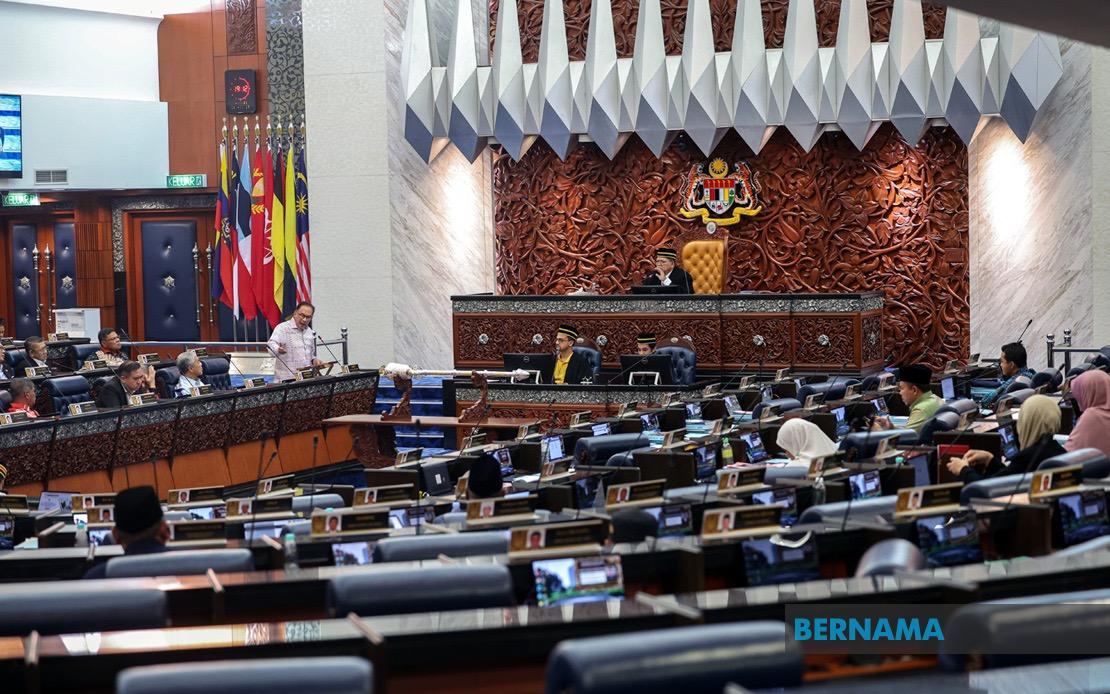
Inquiry from Member of Parliament Wan Ahmad Fayhsal Wan Ahmad Kamal of Machang, representing Perikatan Nasional, prompted the ministry's detailed parliamentary response. His question sought specifics on both the programme's measurable success and the government's deployment of PADU—the Main Data Base—in shaping economic policy. This parliamentary scrutiny reflects broader interest in data-driven governance and accountability mechanisms in social programmes.
The integration of PADU into poverty alleviation efforts represents a significant administrative modernisation. By consolidating household data across agencies, policymakers can theoretically identify vulnerable populations more accurately and allocate resources with greater precision. This technological approach to welfare administration has become increasingly common globally, though it raises important questions about data privacy, surveillance, and equitable access to government services that Malaysian civil society continues to evaluate.
According to ministry figures, 204 government agencies have established continuous data sharing and integration protocols with PADU. This widespread participation suggests that the database has achieved meaningful institutional adoption across the civil service. By June 2026, twenty-seven separate data-sharing applications from various agencies had received approval for implementing programmes and policies. These applications collectively serve multiple objectives: enhancing public service delivery effectiveness, advancing citizen wellbeing, digitalising service provision, and supporting research activities.
The scale of institutional coordination reflected in these figures—204 agencies integrating with PADU, 27 approved applications—indicates an ambitious attempt at whole-of-government data governance. For Malaysian readers, this matters because integrated data systems can theoretically reduce bureaucratic delays, eliminate duplicate applications, and ensure that government assistance reaches those who qualify. However, the transition from administrative technology to improved citizen outcomes requires sustained implementation quality and regular oversight.
The People's Income Initiative itself operates within Malaysia's broader poverty-eradication framework, complementing rather than replacing existing mechanisms. This layered approach recognises that no single programme can address the multifaceted nature of poverty in a middle-income economy where inequality remains pronounced. Employment creation, food security, and cost-of-living relief represent distinct but interconnected challenges that demand coordinated intervention across multiple policy domains.
For the roughly 7,787 households currently enrolled, the programme delivers immediate material benefits while ostensibly opening pathways to sustainable employment. The achievement of monthly incomes exceeding RM2,000 among participants, while still modest by developed-economy standards, represents genuine progress. In Malaysian context, particularly in less developed states and urban fringe communities, such income levels can mean the difference between meeting basic needs and falling into crisis.
The programme's emphasis on job creation rather than income maintenance alone reflects international best practice in social policy. Transitional support that simultaneously develops skills and employment connections can yield better long-term outcomes than unconditional cash transfers, though both approaches have value in comprehensive anti-poverty strategies. As Malaysia seeks to maintain middle-income status while addressing persistent inequality, such targeted interventions become increasingly important.
Looking forward, several questions merit ongoing attention. How sustainable are the income gains achieved by programme participants after leaving the initiative? What happens to households once they exit the scheme—do they maintain their improved economic status or face regression? What barriers prevent the programme from reaching additional vulnerable households? These monitoring questions will determine whether the People's Income Initiative truly represents transformative policy or temporary relief.
The numerical achievement of 7,787 households, while significant, also invites consideration of scale. How many households in Malaysia remain below the poverty line, and what proportion does this figure represent? Contextualising the programme's reach against total need provides essential perspective on whether current implementation levels match the magnitude of poverty challenges across the nation. As the government continues evaluating this initiative, comparative analysis with other Southeast Asian poverty-reduction schemes could offer valuable insights for programme refinement and expansion strategies.

