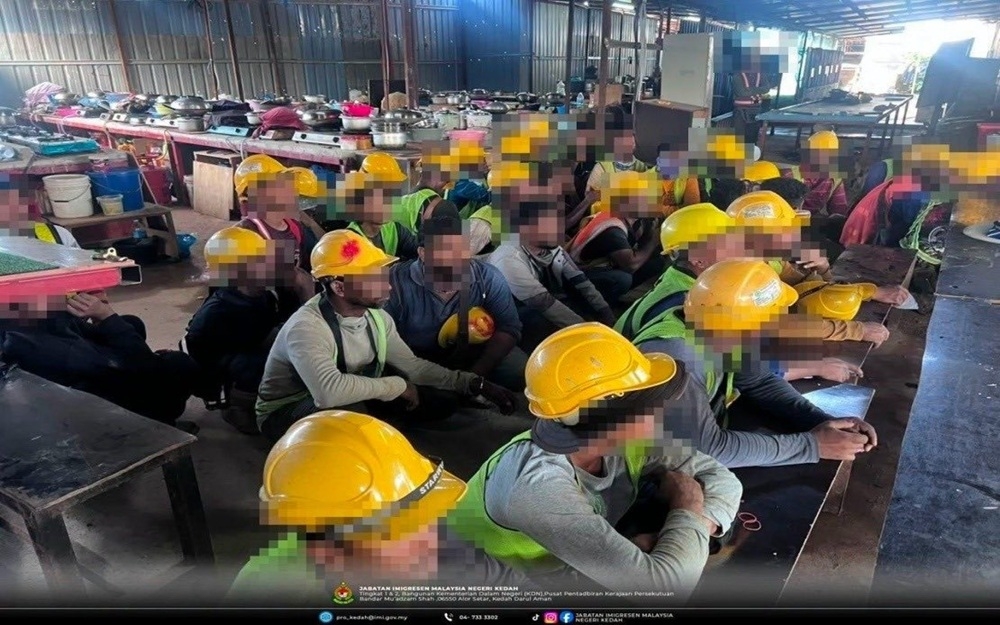
Authorities in Kedah have apprehended 81 undocumented migrants at a construction site in Alor Setar as part of an intensified crackdown on illegal immigration in the state. The operation, conducted by the Kedah Immigration Department, represents a significant enforcement action targeting the employment of irregular workers in Malaysia's construction industry, a sector long plagued by hiring of unauthorised personnel.
The raid took place at a building project where workers lacked proper documentation and valid permits to remain and work in the country. Immigration officials swooped on the site and conducted thorough checks of all individuals present, systematically identifying those without the necessary legal status. The scale of the operation underscores the persistent challenge authorities face in monitoring large-scale construction projects across the nation, where oversight often proves difficult and enforcement remains sporadic.
Construction sites have become focal points for immigration enforcement because they frequently employ migrant workers, some of whom operate without proper work visas or have overstayed their legal period of residence. The sector's reliance on manual labour, combined with minimal documentation requirements at some sites, creates conditions where unscrupulous employers can hire workers without stringent background checks. This practice undermines both labour standards and immigration control mechanisms that are fundamental to orderly workforce management.
The arrested individuals now face processing by immigration authorities, which typically involves identity verification, documentation review, and determination of their country of origin. Those confirmed as undocumented migrants will be referred for deportation procedures, though the complex logistics of returning large numbers of workers to their home countries often creates backlogs in detention facilities. The process can extend weeks or months, during which time immigration departments must manage accommodation and basic welfare provisions.
For Malaysian employers, the penalties for hiring undocumented workers can be severe, including substantial fines and potential imprisonment. Despite these consequences, some businesses continue to engage irregular workers to reduce labour costs or circumvent formal hiring procedures that entail administrative burdens and statutory obligations. The Kedah operation signals that authorities are maintaining vigilance against such practices, though critics argue that enforcement remains inconsistent across different states and sectors.
The construction industry plays a vital role in Malaysia's economic development, contributing significantly to GDP and employment. However, the prevalence of undocumented workers creates unfair competition for legitimate businesses that comply with immigration and labour regulations. Proper worker verification systems would level the playing field and protect companies that operate within legal frameworks from being undercut by those relying on cheaper, unregulated labour.
Beyond employment concerns, undocumented workers present broader public policy challenges. They often lack access to formal healthcare systems, potentially creating public health vulnerabilities when individuals with communicable diseases avoid seeking medical attention due to deportation fears. Additionally, the informal nature of their employment means they contribute minimally to tax systems and social security schemes that fund government services benefiting the wider population.
The Kedah operation reflects Malaysia's ongoing efforts to strengthen border security and internal enforcement mechanisms, particularly following the pandemic when irregular migration surged across Southeast Asia. The immigration department's capacity has been bolstered with additional personnel and technology, enabling more frequent and targeted operations. However, the sheer scale of undocumented migrant populations—estimated in the hundreds of thousands nationwide—means that individual raids, while important, represent limited progress against systemic challenges.
Regional context matters significantly here. Malaysia remains a primary destination for migrant workers across Southeast Asia, attracting individuals from Bangladesh, Indonesia, Myanmar, and the Philippines seeking employment opportunities unavailable in their home countries. While many enter through official channels, others bypass immigration controls entirely or overstay after legal permits expire. This regional migration dynamic reflects broader economic disparities and employment patterns that no single country can address unilaterally.
The construction sector specifically faces labour shortages that partly drive reliance on undocumented workers. Domestic workers increasingly shun construction jobs due to demanding conditions and perceived low wages, creating vacancies that employers fill through irregular migrant channels. Addressing this structural imbalance requires multifaceted solutions including wage improvements, working condition enhancements, and more efficient legal recruitment pathways that reduce bureaucratic friction.
Authorities in Kedah and other states are also focusing on employer accountability, conducting workplace inspections and audits to identify establishments systematically violating immigration laws. This approach complements direct apprehension operations by creating sustained pressure on businesses to regularise their workforce. However, enforcement effectiveness depends on adequate resource allocation and inter-agency coordination between immigration departments, labour ministries, and local authorities.
The Kedah operation underscores the tension between Malaysia's economic needs for low-cost labour and its commitment to rule of law and orderly immigration management. Resolving this tension requires balanced policies that facilitate legitimate migration while maintaining strict controls against irregular entry and employment. For Malaysian readers and businesses, the message is clear: authorities will continue targeting non-compliant operations, making regulatory adherence both a legal and competitive necessity.

