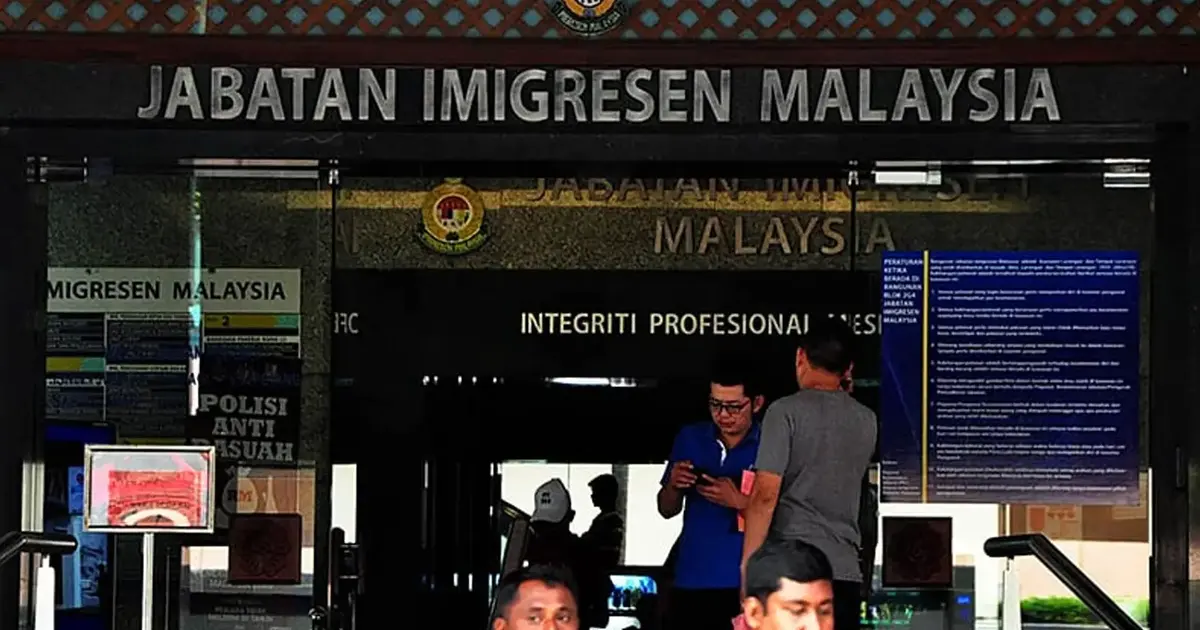
The director-general of the Immigration Department has asserted that officials suspected of orchestrating a significant breach of the MyIMMs digital system were identified within the investigation's opening stages. Eleven officers currently face allegations of collaboration in the cyber intrusion, which was reportedly exploited to circumvent standard procedures for processing and endorsing PLKS applications without proper authorisation. The statement represents an attempt to demonstrate investigative competence within an agency already confronting scrutiny over data security protocols and internal controls.
The MyIMMs platform constitutes a cornerstone of Malaysia's immigration infrastructure, centralising document processing, visa applications, and border administration functions. A breach of this magnitude raises profound concerns about the vulnerability of sensitive citizen data and the integrity of official records. The scale of alleged wrongdoing—involving eleven personnel—suggests systematic abuse rather than isolated misconduct, pointing to potential organisational weaknesses in access controls and audit mechanisms that should have detected such activities earlier.
PLKS applications represent a critical immigration pathway in Malaysia. The unauthorised processing of such applications through system manipulation potentially undermines the legitimacy of approval decisions and creates legal exposure for affected individuals who may hold documents obtained through fraudulent means. Beyond administrative inconvenience, this scenario raises questions about how many applications may have been processed irregularly and whether beneficiaries were aware of the impropriety underlying their approvals.
The immigration chief's assertion regarding early suspect identification warrants careful examination within Malaysian governance contexts. Cybersecurity breaches typically require forensic investigation, system logging analysis, and cross-referencing of access patterns—processes that inherently consume considerable time. The claim of immediate identification, while potentially indicating effective preliminary investigation work, also invites scrutiny regarding whether expedited conclusions might have compromised thoroughness. Public confidence in law enforcement demands both swiftness and rigorous methodology, qualities that occasionally exist in tension.
The existence of eleven involved officers indicates coordination rather than rogue individual action. This raises troubling implications about departmental culture, supervision, and ethical standards. Whether these individuals acted under pressure from external actors, operated independently for financial gain, or functioned within broader corrupt networks remains unclear from available information. Understanding motivation patterns proves essential for implementing preventative reforms rather than merely punishing individual culprits.
For Malaysian citizens and international observers, this incident reflects wider governance vulnerabilities affecting digital infrastructure. Immigration systems process hundreds of thousands of applications annually, handle biometric data, and intersect with national security considerations. A breach exposing system vulnerabilities represents a significant operational and reputational setback for the department. The incident underscores why investment in cybersecurity infrastructure, employee vetting, and continuous system auditing should constitute non-negotiable governmental priorities.
Regionally, the MyIMMs breach carries implications for cross-border movement and multilateral immigration cooperation. Other Southeast Asian nations utilise the Malaysian system for visa verification and traveller screening. Compromised data integrity or falsified immigration records could create cascading problems affecting immigration clearance processes across the region. This dimension transforms what might appear as a domestic administrative matter into a collective regional security concern.
The response trajectory adopted by the Immigration Department will significantly influence public perception and operational recovery. Transparent communication regarding the breach's scope, remedial measures, and institutional reforms demonstrates accountability. Conversely, defensive posturing or insufficient disclosure fuels suspicion and erodes trust in governmental institutions already facing legitimacy challenges. The director-general's public statements suggest an intent toward transparency, yet detailed information about the investigation, the extent of compromised records, and systematic improvements remains limited.
Moving forward, the department requires multifaceted reform addressing technical, procedural, and cultural dimensions. Technically, enhanced access controls, encrypted audit trails, and real-time anomaly detection systems could prevent similar breaches. Procedurally, segregation of duties, mandatory approvals for sensitive applications, and regular access reviews ensure human oversight despite automated systems. Culturally, recruitment standards emphasising ethical foundations and ongoing integrity training create environments where corrupt propositions face instinctive resistance rather than consideration.
The criminal proceedings against the eleven arrested officers will proceed through Malaysia's judicial system, potentially revealing additional details about operational methods and extent of data compromise. These cases may also expose whether supervisory failures enabled the breach, prompting questions about accountability at senior levels. Justice, however, demands distinguishing between culpable negligence and simple operational oversight—a distinction courts must navigate carefully.
For immigration stakeholders, applicants, and businesses relying on MyIMMs functionality, this incident introduces temporary uncertainty regarding system reliability. Restoration of confidence requires demonstrable security improvements, successful prosecution of implicated officers, and evidence that such breaches cannot recur. The Immigration Department faces the substantial task of rebuilding reputation alongside fixing technical vulnerabilities.
Ultimately, the MyIMMs breach illustrates how digital infrastructure vulnerabilities, internal corruption, and security lapses converge to create systemic risks. Malaysia's response to this challenge will establish precedents for handling future cyber incidents affecting critical governance systems. The immigration chief's immediate assertion of suspect identification, while potentially reassuring, must be accompanied by institutional actions demonstrating genuine commitment to preventing recurrence and protecting citizen information.

