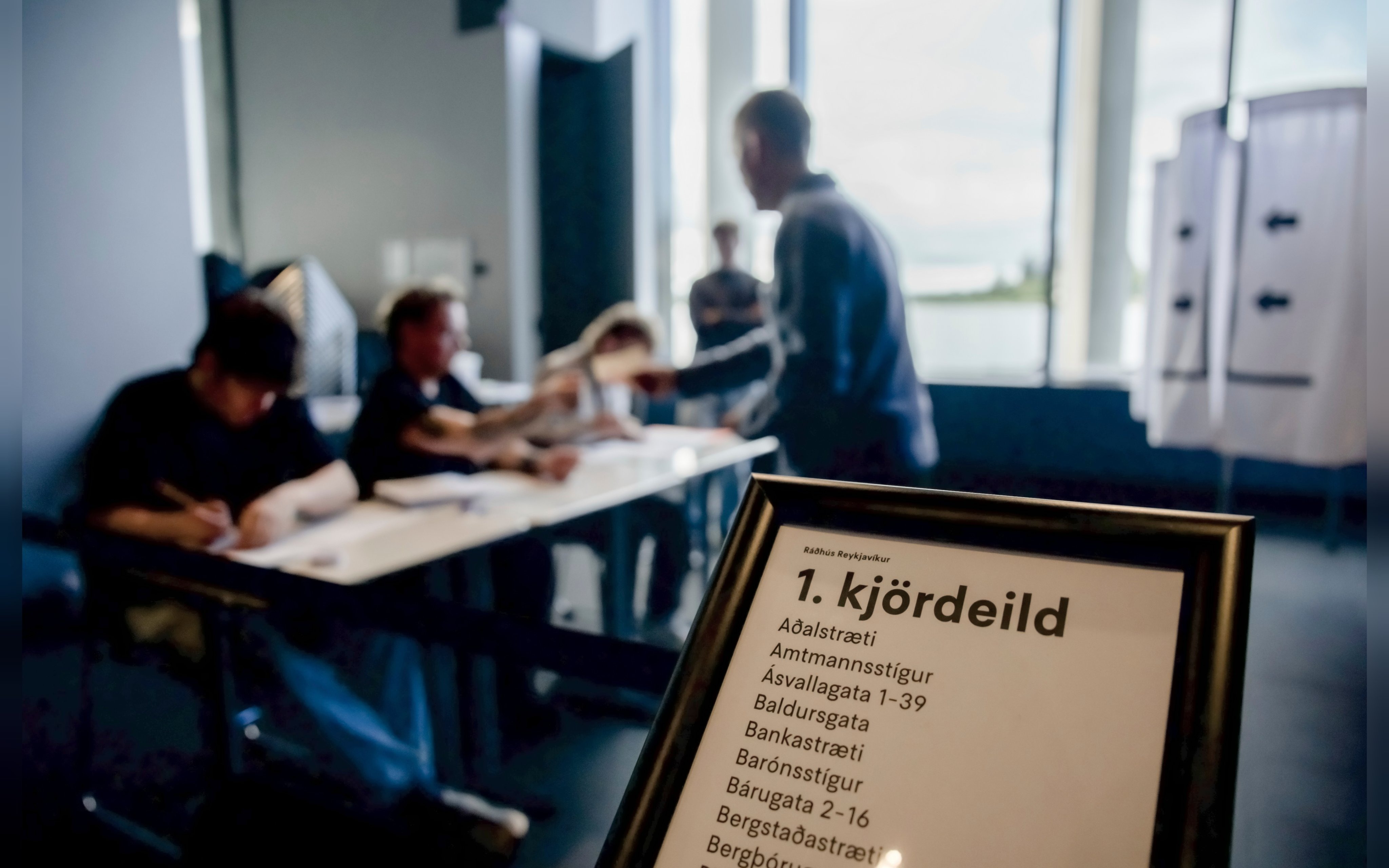
In a tightly decided referendum that underscores persistent ambivalence toward European integration, Iceland has voted against restarting membership discussions with the European Union. The final tally showed 52.8 per cent of voters opposed to reopening accession negotiations, while 47.2 per cent supported the move, according to official results announced on Sunday. The narrow margin—slightly more than five percentage points—reveals a population genuinely split on the question, with both camps having mobilised substantial support for their competing visions of Iceland's geopolitical orientation.
The referendum, held after polls closed at 2200 GMT on Saturday, represents a democratic decision on a question that has periodically resurfaced in Icelandic political discourse over the past decade and a half. The vote was called by Iceland's pro-EU government led by the Social Democrats following their victory in the 2024 election, during which the party had committed itself to consulting voters directly on whether the country should pursue membership. This commitment to holding a referendum reflected recognition that EU membership remains a divisive topic commanding deep public engagement rather than merely a bureaucratic matter for political elites to resolve.
Geopolitical considerations furnished the immediate backdrop for placing this question before voters at this particular moment. Rising international tensions have prompted renewed focus on Iceland's strategic positioning and defence arrangements, creating an environment in which questions about EU participation naturally resurface. For supporters of membership, closer integration with European institutions appeared increasingly relevant to addressing contemporary security concerns facing a small North Atlantic nation. These advocates argued that deepening ties with the EU would strengthen Iceland's voice in addressing transnational challenges while providing greater collective security guarantees.
Iceland's relationship with European membership discussions extends back more than a decade. In 2009, following the devastating impact of the global financial crisis on Iceland's banking sector and broader economy, the government submitted a formal application to join the European Union. That application reflected national vulnerability and prompted consideration of whether EU membership might provide economic stability and institutional framework benefits to a country reeling from financial catastrophe. However, when a eurosceptic government assumed office in 2013, the accession process effectively stalled as negotiating delegations suspended their work.
Opposition to EU membership has coalesced around several enduring concerns, with sovereignty emerging as the primary rallying point for membership opponents. Many Icelanders view the European Union as posing fundamental threats to national autonomy and democratic self-determination, particularly regarding matters central to Iceland's identity and prosperity. These concerns transcend abstract principle to encompass concrete economic interests with direct consequences for Icelandic society and livelihoods.
Fishing rights constitute the most significant flashpoint in Iceland's EU membership debate, reflecting the outsized importance of marine resource extraction to the island nation's economy and society. Iceland's maritime zones contain some of the world's richest fishing grounds, and successive Icelandic governments have fought fiercely to maintain unilateral control over access to these waters and exploitation of fish stocks. Membership opponents persistently argue that joining the EU would require ceding control over these crucial national resources to European institutions that might not prioritise Icelandic interests. This concern resonates deeply because the fishing industry remains foundational to Iceland's economy, employment, and cultural identity, particularly in smaller communities where fishing communities predominate.
The fishing sector's centrality to Icelandic society explains why this single policy domain has become the defining issue in membership debates. Throughout Iceland's history, control over territorial waters and fishing rights has represented not merely economic interest but national sovereignty itself. Historical conflicts with other nations over fishing grounds have shaped Icelandic national consciousness, making voluntary surrender of unilateral control over Icelandic waters emotionally fraught and politically explosive.
For Southeast Asian observers, Iceland's referendum offers several instructive lessons about how small nations navigate integration questions. Like various Southeast Asian countries, Iceland faces pressures toward regional integration while simultaneously protecting vital national interests in specific sectors. The salience of fishing rights in Iceland's debate parallels concerns expressed in Malaysia, Indonesia, and other Southeast Asian nations regarding maritime resources, fish stocks, and exclusive economic zone control. Iceland's experience suggests that even economically compelling arguments for integration may founder when they appear to threaten control over essential natural resources or subsistence sectors.
The referendum outcome also reflects broader patterns in contemporary European politics regarding public scepticism toward supranational institutions. Across the continent, voters have increasingly questioned whether membership in larger political unions serves national interests or undermines democratic accountability. Iceland's decision to maintain its distinct position outside the EU club places it alongside Norway, Switzerland, and other European nations that have chosen alternative relationships with Brussels rather than full membership.
Looking forward, the referendum result suggests that membership remains unlikely in the near term unless circumstances change substantially. A pro-EU government committed to pursuing membership talks must now contend with a democratic verdict rejecting such engagement, creating a political obstacle to forward movement. Future governments or changed circumstances—whether economic crisis, dramatic shifts in international security conditions, or evolving public opinion—might alter this calculus, but the referendum establishes that contemporary Icelandic voters prefer preserving the status quo over embarking on membership negotiations.
The narrow vote margin, however, indicates that the question remains genuinely contested rather than settled definitively. For pro-integration advocates, the 47.2 per cent support demonstrates substantial backing for their vision, suggesting that future political mobilisation might gradually shift public opinion. Conversely, membership opponents can claim electoral vindication while remaining alert to future challenges to Iceland's independent position.

