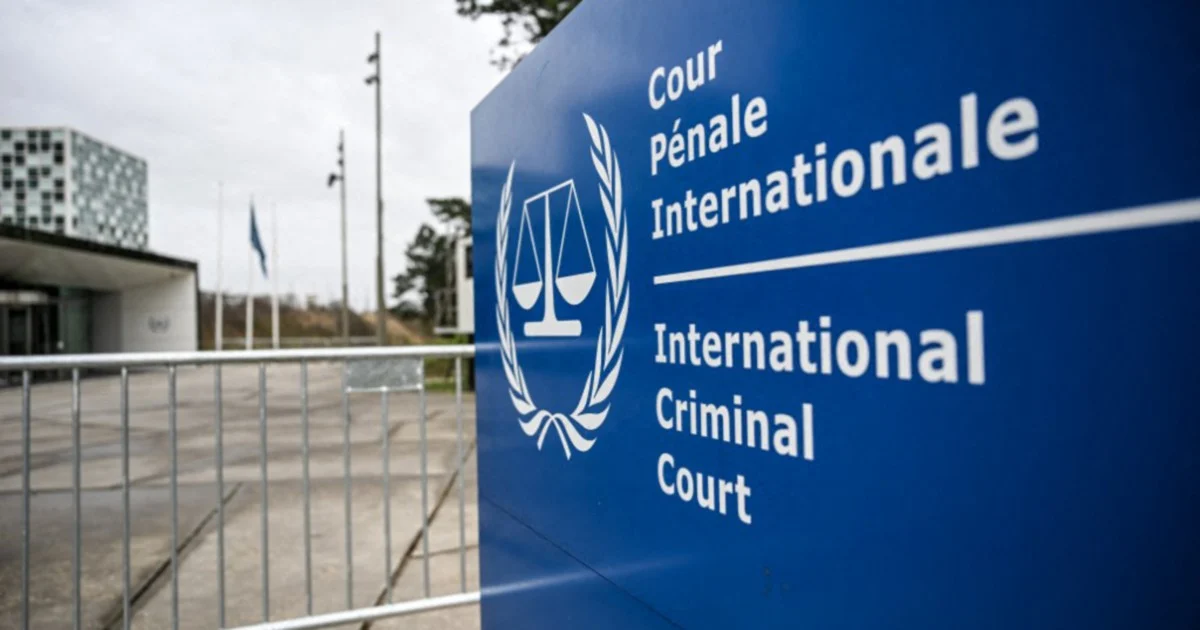
Three judges serving on the International Criminal Court have escalated their dispute with the Trump administration by filing a federal lawsuit that directly challenges the legality of targeted sanctions imposed against them. The judicial officers, who were penalised by Washington in connection with investigations touching on American personnel, mounted the legal challenge on Wednesday through the federal court system in New York. Their action represents an unprecedented confrontation between the ICC's independent judiciary and the United States government, raising fundamental questions about the scope of presidential authority and the protection of international judicial independence.
The judges characterise the sanctions as arbitrary and overreaching, arguing that the punitive measures violate established principles of international law and undermine the functioning of the ICC as an independent institution. Their lawsuit names President Donald Trump alongside other senior officials within his administration, contending that the sanctions lack proper legal foundation and were implemented without due process protections. The three judicial officers claim they have been singled out for performing their official duties, namely investigating matters that involved American citizens and military personnel. This creates a direct clash between national interest arguments advanced by Washington and the principle that international judges must remain free from pressure when conducting investigations.
The dispute has profound implications for the broader international rules-based order. The ICC was established through the Rome Statute as a court of last resort when national justice systems fail to prosecute genocide, crimes against humanity, and war crimes. For the institution to function credibly, its judges must be able to conduct investigations without fear of retaliation from powerful states. The Trump administration's actions, from the court's perspective, set a troubling precedent by suggesting that countries can use economic sanctions to influence or intimidate judicial proceedings at the international level. This dynamic is particularly significant for Southeast Asian nations and other smaller countries that rely on multilateral institutions to level the playing field with larger powers.
The timing of the lawsuit reflects broader tensions between the Trump administration and the ICC that have simmered for years. Washington has long maintained a complicated relationship with the court, viewing it with suspicion and opposing attempts by the institution to investigate American military conduct. The sanctions themselves were justified by the administration on national security grounds, framed as measures necessary to protect American interests and personnel from what officials characterised as inappropriate investigations. However, the judges contend that this justification masks an attempt to pressure the court and protect American interests from legitimate judicial scrutiny.
The legal arguments presented in the lawsuit touch on constitutional principles regarding the separation of powers and the limits of executive authority. The judges argue that the Trump administration exceeded its statutory authority in imposing the sanctions and that the measures violate the Fifth Amendment's due process protections, even though they are foreign nationals. This novel legal question—whether due process protections extend to international judicial officers—will likely be contested vigorously by Justice Department lawyers. The outcome could establish important precedents about the extent to which the United States can use economic coercion against individuals serving in international institutions.
For Malaysia and other countries in the region, the case carries significance beyond its immediate parties. Southeast Asia has increasingly engaged with international justice mechanisms, and several nations have expressed concerns about potential ICC investigations into their own officials and military personnel. The outcome of this lawsuit will influence how countries assess the risks of ICC participation and whether the institution can maintain sufficient independence to function as intended. If the Trump administration successfully defends the sanctions, other countries may follow suit, effectively neutering the ICC's ability to investigate powerful states. Conversely, if the judges prevail, it would reinforce the principle that international judicial institutions require protection from political pressure.
The lawsuit also reflects changing attitudes within the Trump administration toward international institutions more broadly. The administration has been sceptical of multilateral organisations and has withdrawn from or threatened to leave various international agreements and bodies. The targeting of ICC judges fits into this broader pattern of reasserting American sovereignty and resisting what administration officials view as constraints on national decision-making. This nationalist approach contrasts with the post-World War II international order that the United States itself helped construct, creating tensions with allies and international partners who prefer rules-based systems even when they occasionally constrain national action.
The federal courts now face the delicate task of adjudicating a dispute with enormous implications for international relations and the future of global justice mechanisms. Judges must weigh the government's claims about national security and sovereign authority against arguments about judicial independence and international law. The legal briefs will likely explore whether federal courts have jurisdiction over the claims, whether the judges have standing to sue, and whether principles of international comity and immunity might limit the court's ability to review executive decisions regarding foreign policy and national security.
The judges' decision to pursue a lawsuit rather than simply accept the sanctions demonstrates their commitment to establishing a legal precedent protecting judicial independence. By taking this action, they are not merely seeking relief for themselves but attempting to establish principles that will protect future ICC judges and the institution itself. The case will undoubtedly attract attention from international law scholars, human rights organisations, and governments interested in the future of global accountability mechanisms. Whether through settlement, summary judgment, or full trial, the outcome will likely influence how states interact with international courts for years to come.

